The IV International Biotechnology Forum BIOAsia–Altai is taking place at Altai State University bringing together leading experts from all over the country to discuss current issues of intersectoral development.
The major day of the BIOAsia–Altai forum started with the plenary session. Deputy Chairman of the Government of Altai Krai Yuri Abdullaev gave a welcoming speech:








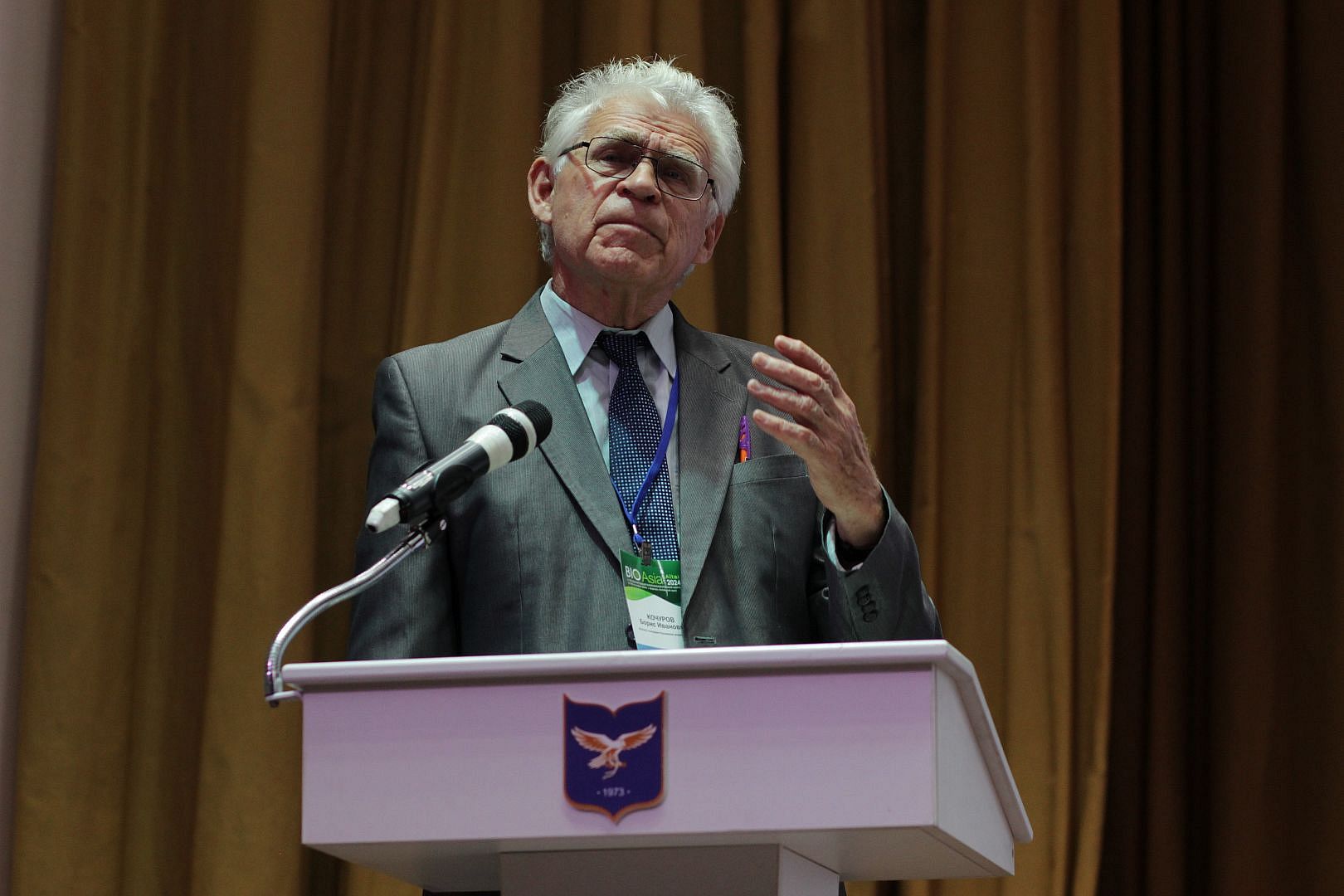


"By decree of the President of the Russian Federation, biotechnology has been included in the list of the most critical science-intensive technologies, shaping the trajectory of scientific and technological development in Russia. Today, advancements in biotechnology are pivotal for developing a modern sovereign national education system and scientific developments in general. It is no coincidence that the forum has become a tradition reflecting a robust potential of our region in biotechnology, with Altai Krai ranking second in Russia in the production of dietary supplements, and first in the production of the most important types of agricultural products. We are not only the breadbasket of Siberia, but also nationwide. It is important that Altai State University has become the forum's venue. Today, this university has a modern scientific infrastructure and a strong, close-knit team of employees. Thanks to the joint work of the Altai State University research team and the support by the Russian Ministry of Education and Science, flagship projects in the field of biotechnology have been implemented. I am confident that the forum will become a platform for fostering productive dialogue, searching for new opportunities for advancing biotechnology in Altai Krai and beyond."
Rector of ASU Sergey Bocharov noted in his report titled "Technological Sovereignty and University – Experience of Altai State University in Biotechnology" that universities today are active actors in the process of ensuring the country's technological sovereignty.
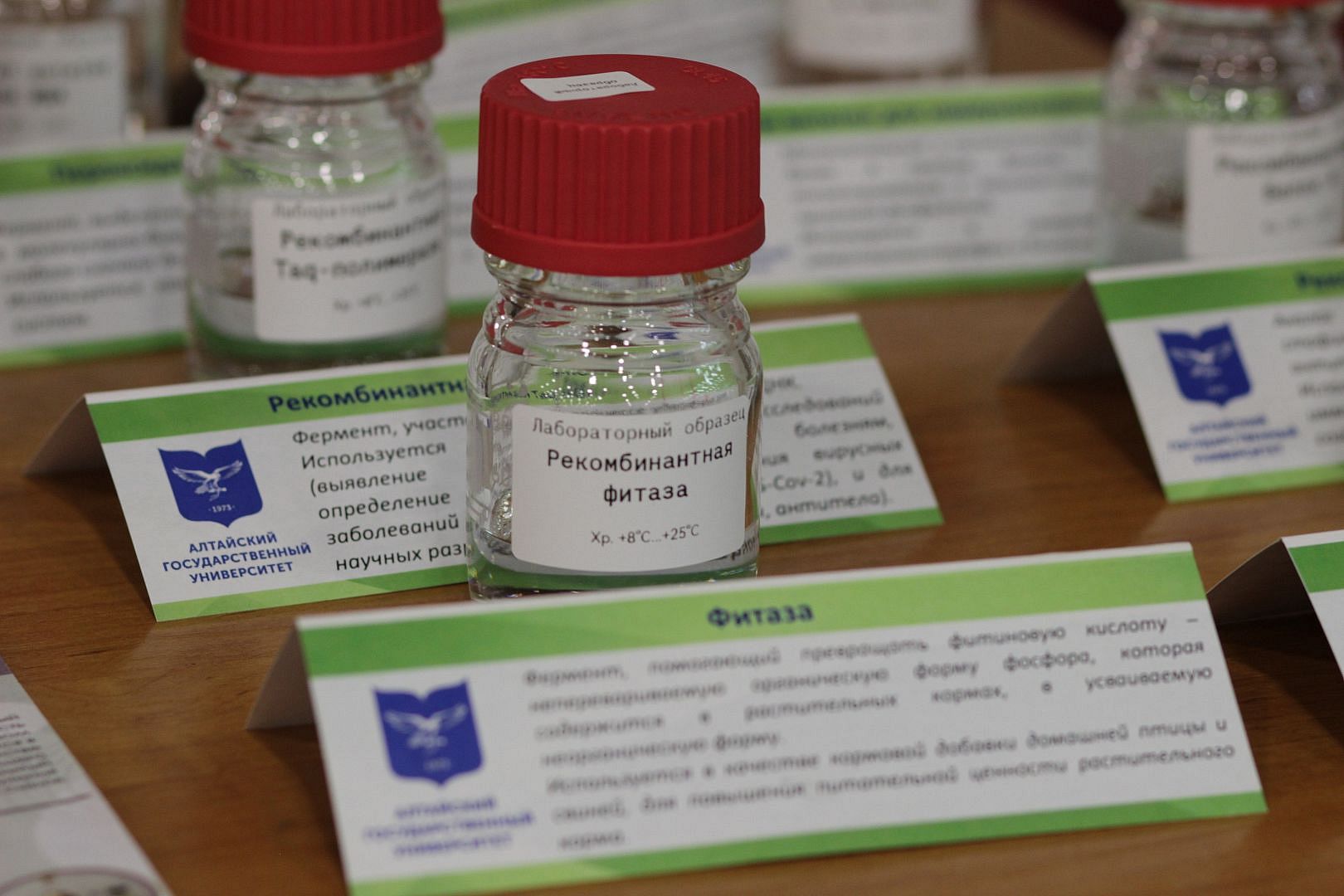
"Altai State University has been implementing the Priority 2030 program since 2021, with AgroBioTech, AgroEcosystems, and Health Preservation being the core strategic projects related to biotechnology. In recent years, Altai State University has formed significant groundwork in life sciences that are directly related to the topic of our forum today. Young research teams have been formed, new educational programs have been opened, and interaction with enterprises in the real sector of the economy has been established. Research groups have made progress in developing new strains, genotyping technologies, improving and accelerating the reproduction of crops, as well as creating biopreparations for plant protection, antibiotics, and enzymes. Most of the scientific results were obtained within the framework of scientific and scientific-industrial cooperation with both leading scientific centers of the Russian Academy of Sciences and industrial partners; in total, more than 50 projects have been implemented. All our laboratories have high-tech equipment worth hundreds of millions of rubles, and through the development program, this equipment is regularly upgraded. We have an impressive list of cooperation cases with specific technological results: the creation of the drug "recombinant phospholipase C" for Sibbiopharm LLC with the support of Altaipischeprom, the probiotic for aquaculture "Aquabacillin" for Arsal LLC, a variety of hops for Baltika LLC from the Altai Center for Applied Biotechnology of Altai State University, portable DNA devices and reagents for Sovtech."
Altai State University has strong ties with N.I. Vavilov All-Russian Institute of Plant Genetic Resources (VIR). The university's research teams closely interact with the national Center for Plant Genetic Resources, formed on the basis of this institute, collaborate with the federal scientific and technical program "Bioresource Collections", and conduct expeditions.
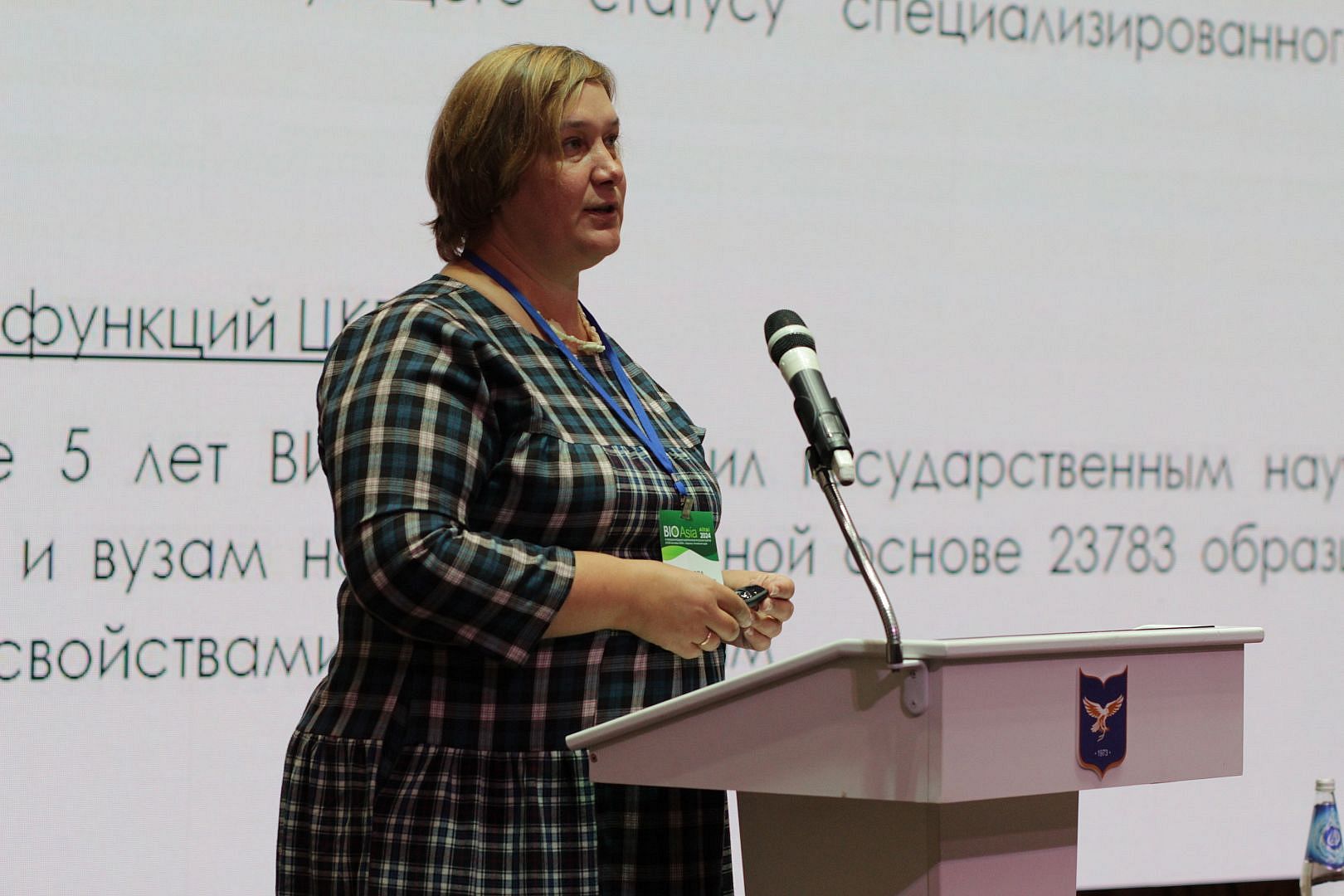
Yulia Ukhatova, Deputy Director of VIR for Scientific and Organizational Work (St. Petersburg), Candidate of Biological Sciences, spoke in her report about development of modern genetic technologies as the basis for the country's technological sovereignty.
"Our institute is a leading organization in the field of plant genetic resources, holding two unique biological collections: a collection of living world genetic resources of cultivated plants and their wild relatives, and a rich herbarium collection – one of three in the world focused on cultivated flora. This enables us to effectively operate as a center for collective use, providing plant samples to domestic breeders upon request. For many years, this has been a stronghold for the creation of new varieties of completely different crops - oilseeds, grains, vegetables, industrial crops, etc. Modern genetic research further enhances the role of the herbarium collection. It is with scientists from Altai State University, the South Siberian Botanical Garden that we cooperate in this area, in the field of replenishing collections, conducting joint expeditions – most of the Altai flora is represented in these collections," noted Yulia Ukhatova.
The biologist emphasized that genetic diversity is crucial for food security. Regardless of climate changes, there will always be samples available from which new varieties can be developed that meet the market demands and consumer needs.
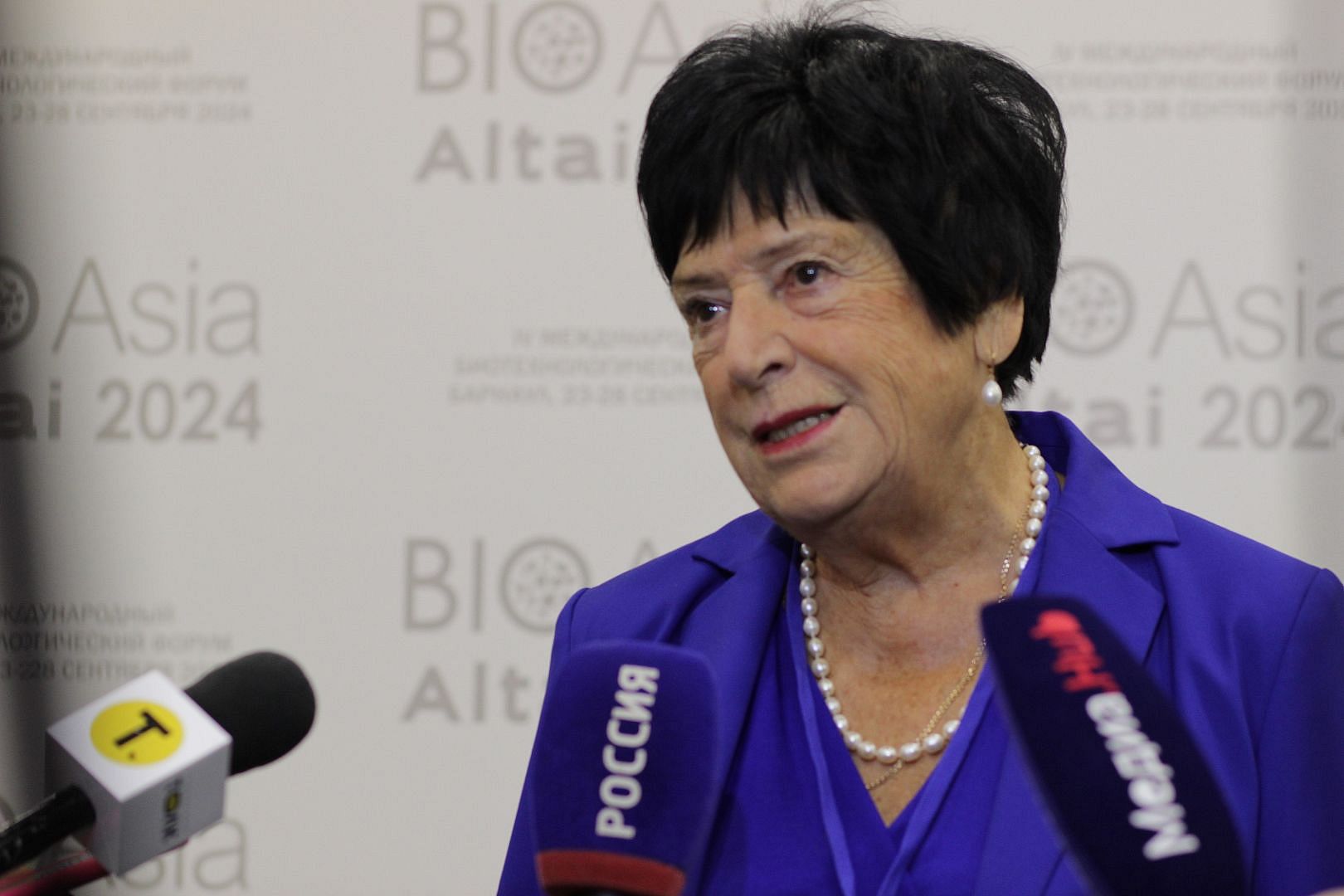
Olga Lavrik, Academician of the Russian Academy of Sciences, Head of the laboratory of the Institute of Chemical Biology and Fundamental Medicine of the Siberian Branch (RAS), devoted her report to biomedicine, in particular, the search for new effective drugs to combat cancer. The discussion was about the human DNA reparation system as a platform for creating antitumor drugs.
"We are developing antitumor drugs that target DNA reparation systems (from the Latin reparation, meaning restoration). Our DNA is vulnerable to various types of damage. But everything is fine when the systems for restoring this damage work, which are reparation systems. They can correct any DNA damage and work effectively in the organisms of all animals and humans. But there is another side to the coin. When a person develops oncopathology, chemotherapy and radiotherapy are used, aimed at destroying the DNA structure and eliminating cancer cells. In this context, the natural efficiency of the reparation system can be detrimental: if DNA damage is swiftly restored, then chemotherapy and radiotherapy become ineffective. Therefore, creating inhibitors for these repair systems for optimal cancer treatment has become a leading direction in pharmaceuticals worldwide. This is precisely our focus."
The forum continued with the round table "Biotechnology and Big Challenges: New Opportunities for Development and Partnership". On September 27, the sections “Biotechnology for Industry and Agriculture”, “Molecular-Genetic and Biotechnological Methods of Plant Research”, “Biorefining and Bioconversion of Plant Raw Materials”, “Environmental Protection Technologies and Environmental Safety of Greater Altai and Adjacent Territories” will be held.