This summer, Alexander Fomichev, an arachnologist, Cnadidate of Biological Sciences, and an associate professor in the Department of Zoology and Physiology at Altai State University, participated in a Russian zoological expedition to Papua New Guinea (PNG).
The expedition took place from July 31 to September 4. The team also included Andrey Gorokhov, an orthopteroid insect specialist from the Zoological Institute of the Russian Academy of Sciences (St. Petersburg); Mikhail Omelko Sr., a lepidopterist from the V.L. Komarov Mountain Taiga Station (Primorsky Krai); and Ivan Naumenko, an amateur zoologist and photographer from Primorsky Krai. The expedition was led by arachnologist Mikhail Omelko Jr. of the Federal Research Center for Biodiversity of East Asian Terrestrial Biota, Far Eastern Branch of the Russian Academy of Sciences (Vladivostok).











The participants met in Beijing, from where they flew to Manila, the capital of the Philippines. From there, they continued their journey across the southwest Pacific Ocean to Port Moresby, the capital of PNG.
"The country is located on the island of New Guinea in the southwest Pacific Ocean, north of Australia. New Guinea is of great interest to zoologists because, like Australia, it is a fragment of the ancient continent Sahul, whose fauna has been isolated from the rest of the world since the Mesozoic Era, the age of the dinosaurs. Zoological research in PNG is hindered by harsh natural and climatic conditions, difficult accessibility, and a high crime rate," the scientist explained.
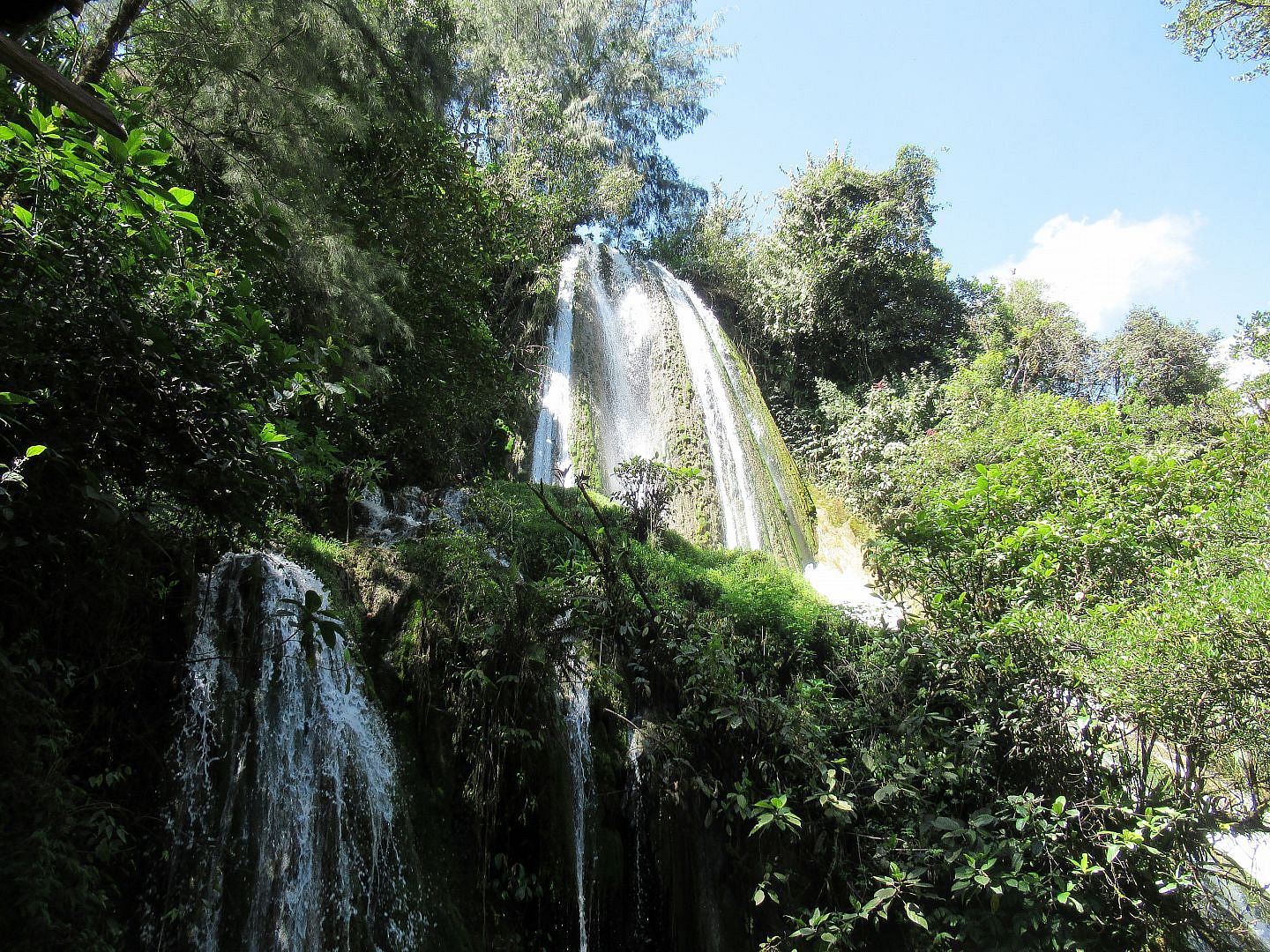
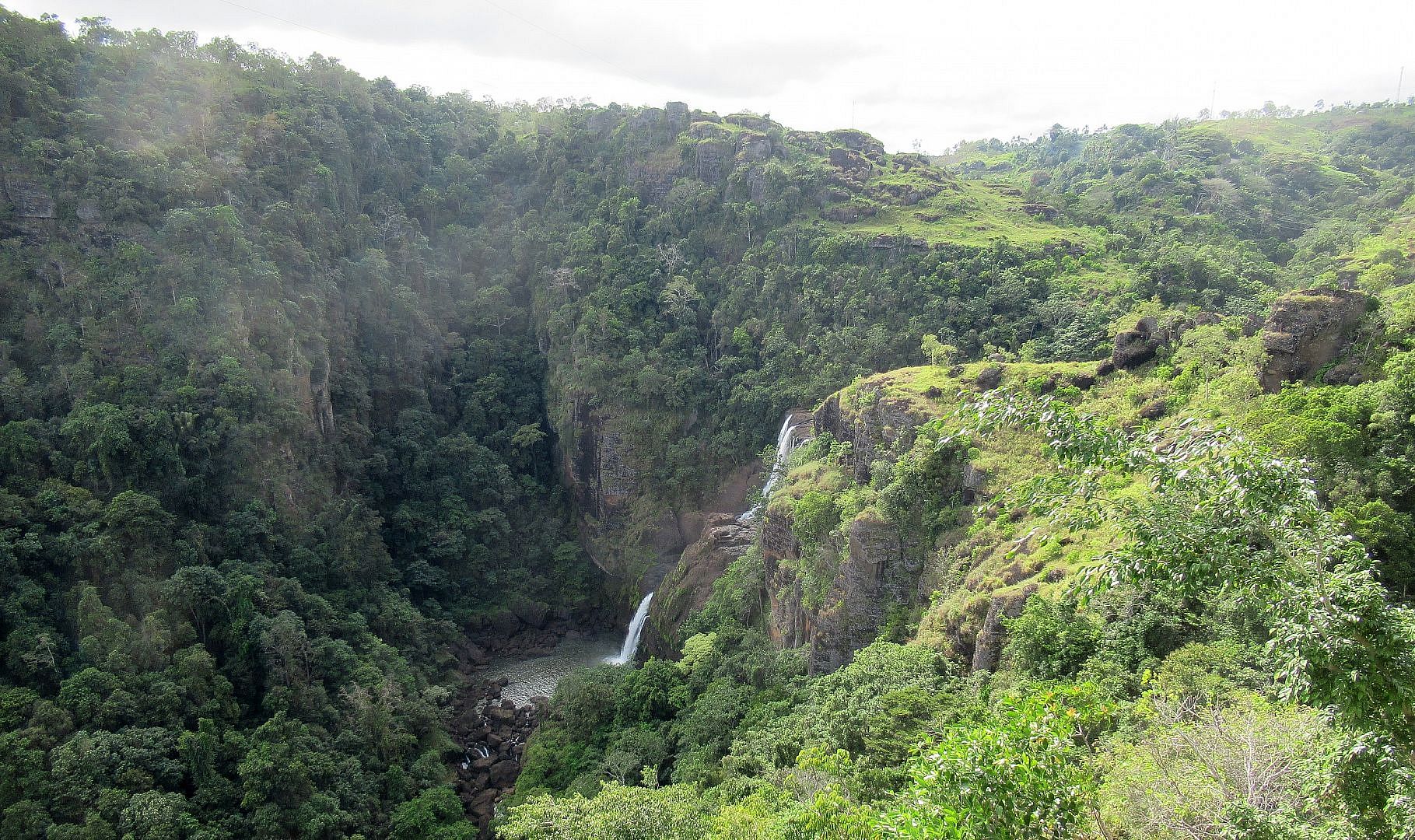
The expedition focused on two regions of PNG: the New Guinea Highlands in the central part of the country and the Sogeri Plateau in the south, near the Coral Sea coast. The studied altitudes ranged from 500 to 3,650 meters above sea level. In the New Guinea Highlands, the team explored high-altitude rainforests and the summit of Mount Hagen, New Guinea’s second-highest volcano. On the Sogeri Plateau, the work concentrated on low-elevation tropical forests and rocky savannah. These locations provided extreme contrasts: the high-altitude jungles of the New Guinea Highlands feature a cold, humid climate where temperatures dropped to 5°C, with frost visible on the vegetation in the mornings. The conditions were made more challenging by constant rainfall, high humidity, and soil that turned into mud rivers. In contrast, the Sogeri Plateau’s climate is hot and humid in forested areas but dry in the savannah.
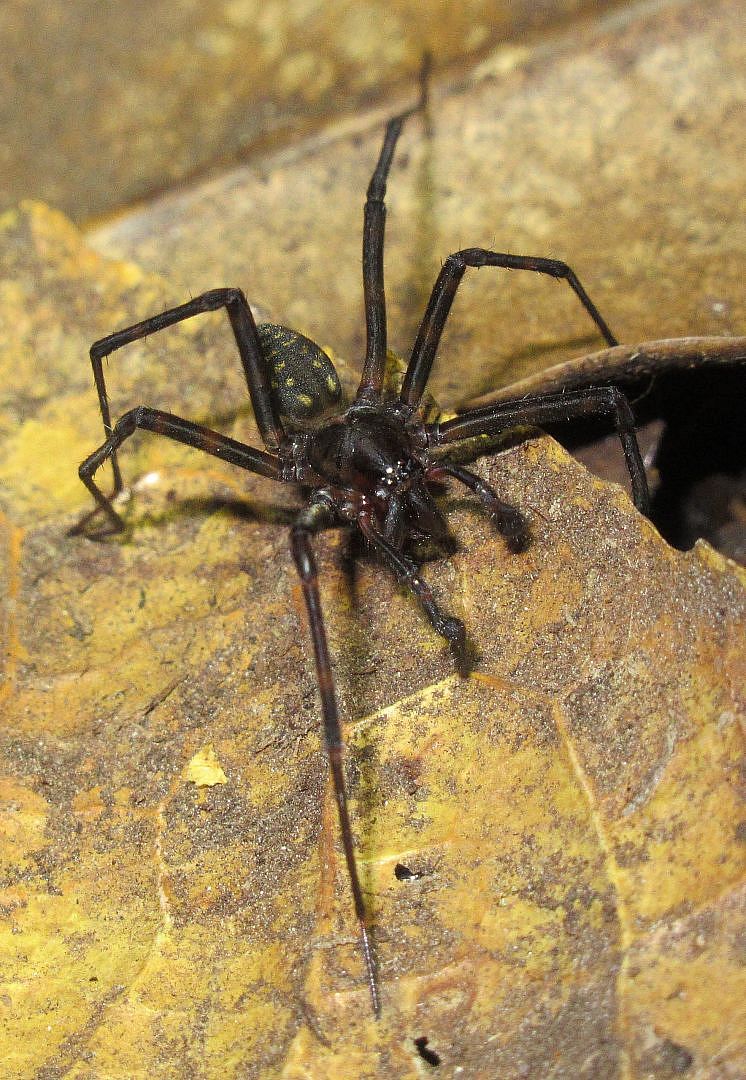
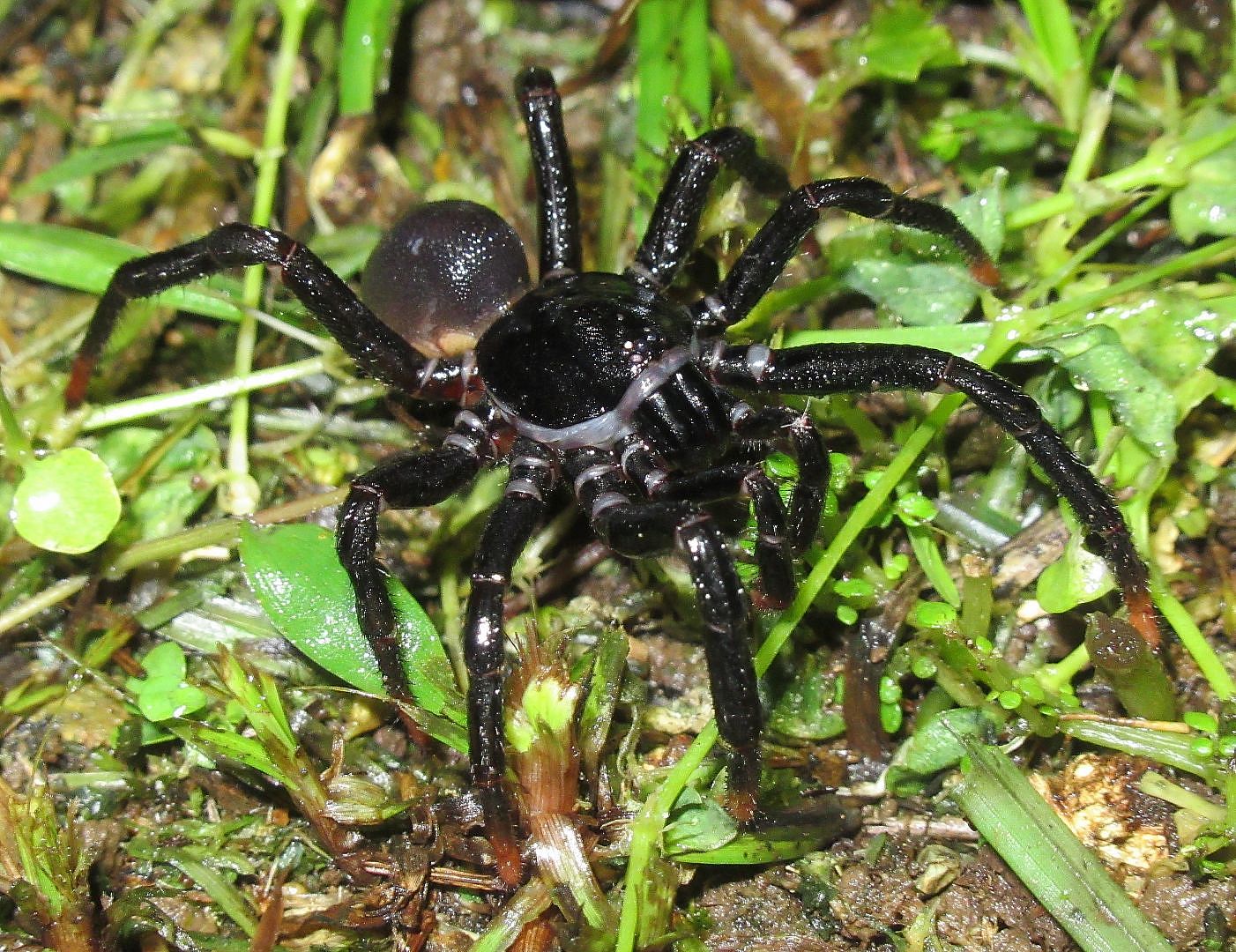
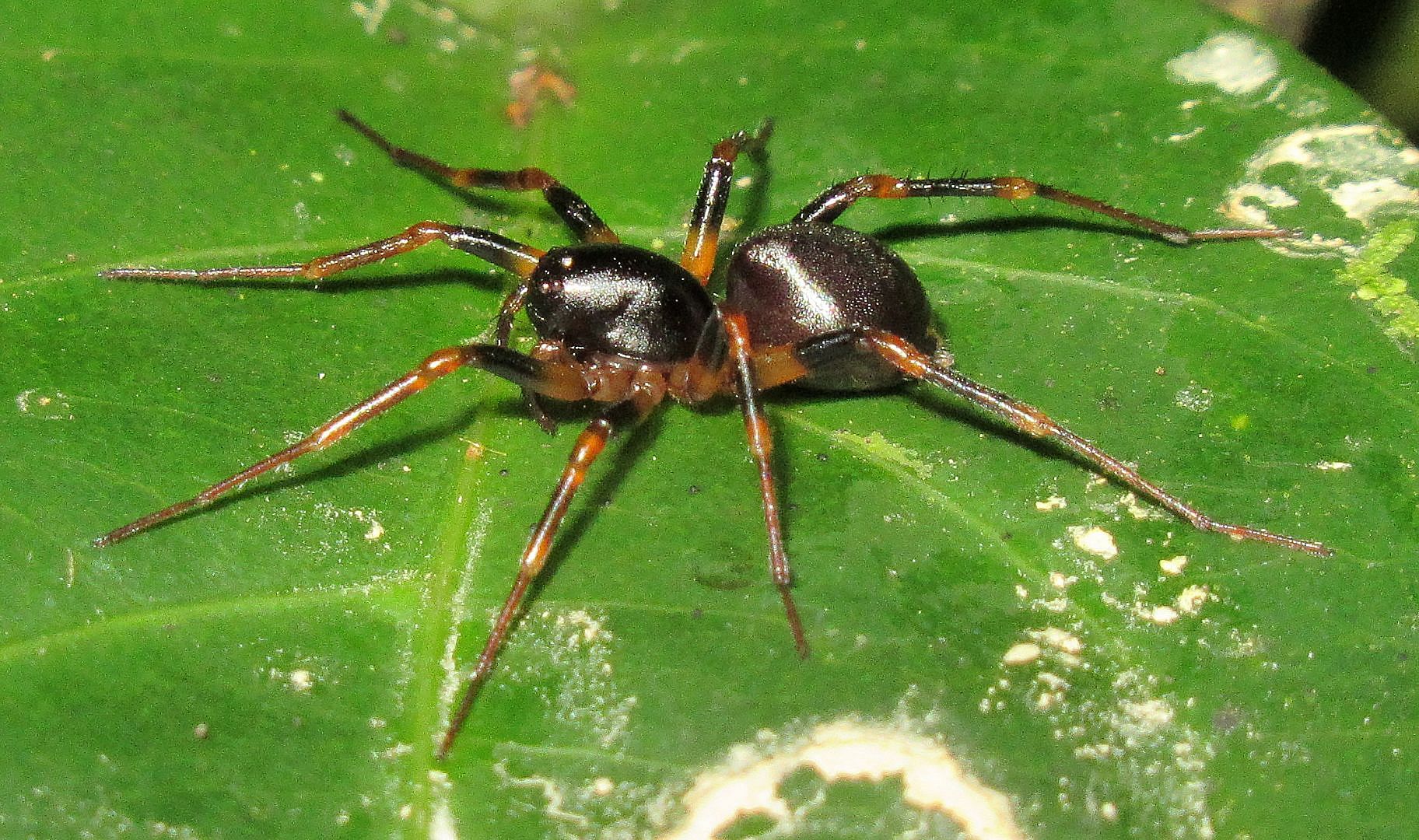
"My colleague Mikhail and I successfully assembled an extensive collection of spiders, encompassing dozens of families and hundreds of species. Considering the almost complete lack of research on PNG’s spider fauna, it is likely that a significant portion, if not the majority, of the collected specimens represent species new to science. Some of the spiders we found belong to groups that are common only in neighboring Australia and nowhere else in the world. This was the first time I had the opportunity to observe them firsthand. The taxonomic classification of some of these spiders remains uncertain, as it is unclear to which family within the order they belong," Alexander explains.
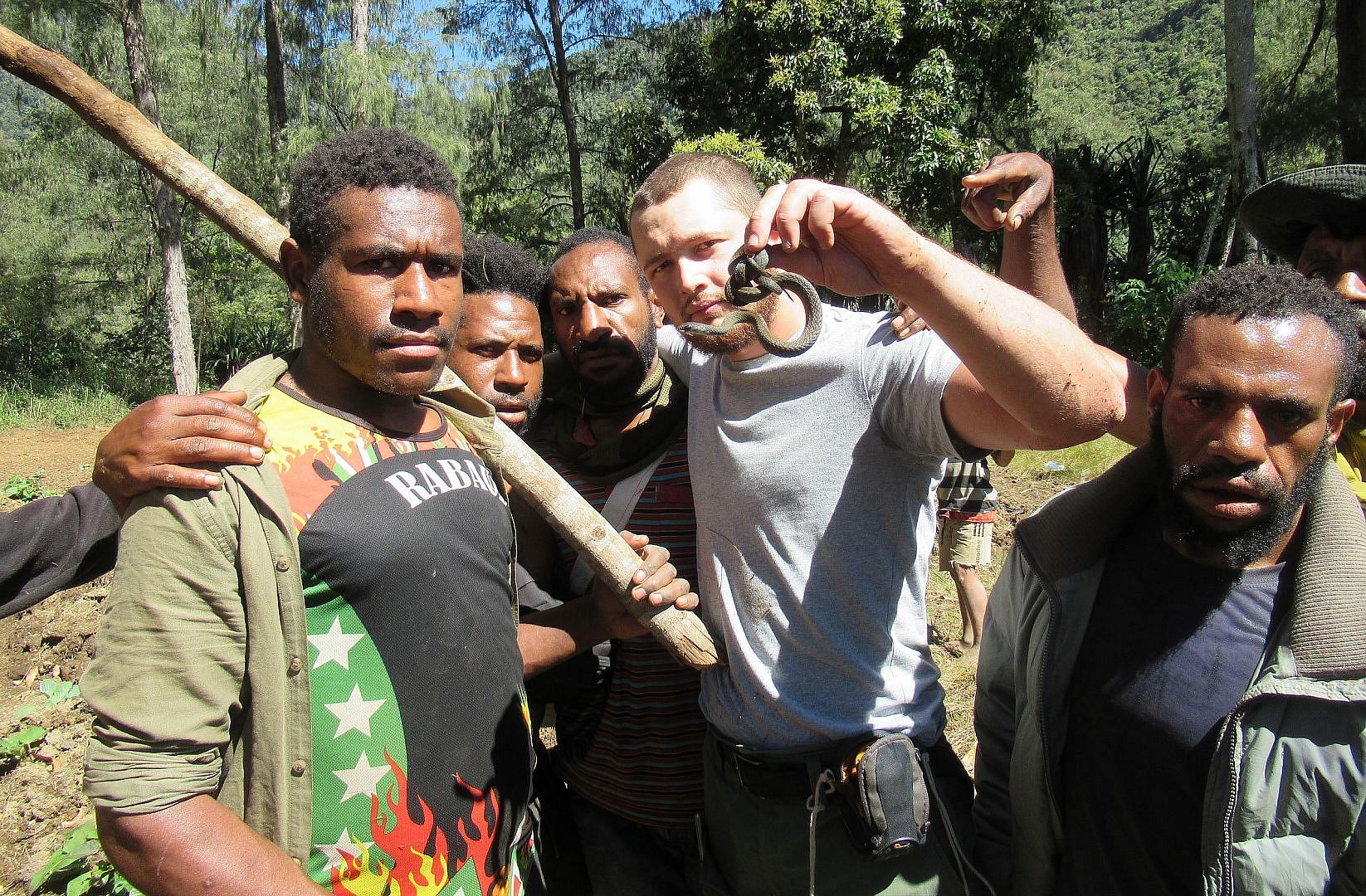
In addition to spiders, Fomichev’s other objective was to search for representatives of the herpetofauna, including reptiles and amphibians. Approximately 35 species of reptiles and amphibians were identified and photographed. These included several species of snakes, some of which are dangerous to humans. The most dangerous among the captured snakes is the New Guinea death adder (Acanthophis laevis), which possesses neurotoxic venom lethal to humans. It belongs to the Elapidae family, which includes cobras and taipans, and resembles members of the viper family (Viperidae), although vipers are absent from New Guinea and Australia. This is a striking example of convergent evolution, where unrelated organisms develop similar anatomical features in response to similar environmental pressures. Another such example is the extinct wolf-thylacine, a marsupial "wolf" that inhabited New Guinea, Australia, and Tasmania. Besides the death adder, numerous other snakes, lizards, and frogs were documented. By mimicking the movements of a wounded animal—striking the water with a stick—Alexander was able to lure and photograph an endemic New Guinea crocodile.
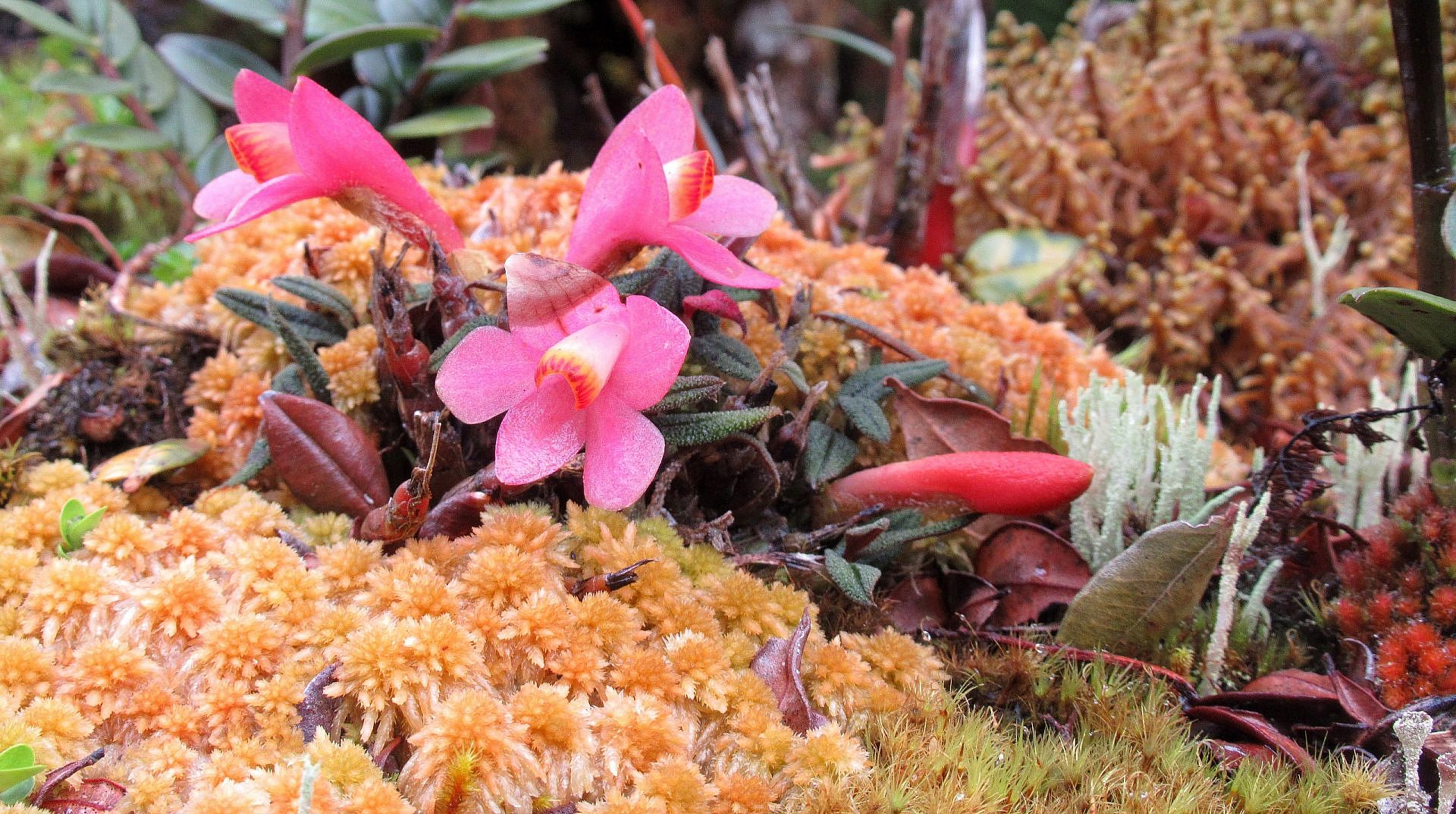
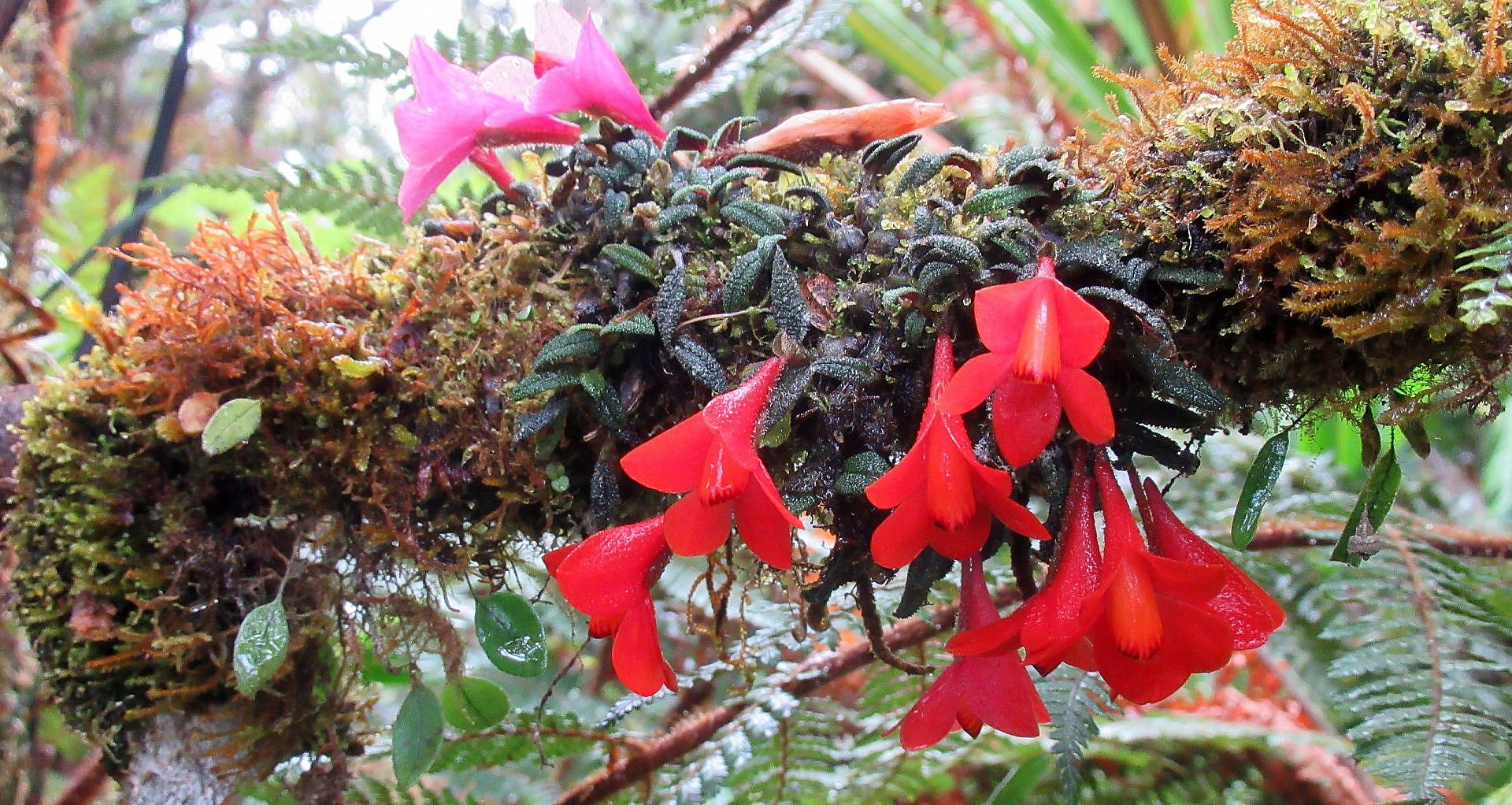
During their journey, the expedition members also encountered New Guinea’s distinctive mammal fauna, which consists mainly of marsupials and bats, including tree kangaroos, bandicoots, cuscuses, flying foxes, and other bat species. The placental mammals familiar to us—such as even-toed ungulates, carnivores, primates, and rodents—are represented in Papua New Guinea’s wild fauna only by bats and mice. Although there were no botanists on the expedition team, everyone was impressed by the abundance of epiphytic plants (those that grow on other plants), as well as the diversity of club mosses, ferns, and orchids.
The expedition members actively sought the assistance of local Papuan guides.
“Close cooperation with local residents, along with friendship and solidarity, is essential not only because of the challenges of navigating and traveling through the jungle but also due to the high crime rate in PNG, especially around major cities like Port Moresby and Mount Hagen. Without trustworthy guides, travelers in New Guinea face a significant risk of robbery or even murder. However, the people of PNG are generally very friendly and welcoming. The Papuans are aware of Russia and hold a warm attitude toward our country. I am deeply grateful to the people of Papua New Guinea, especially my guides, for their invaluable assistance in carrying out the complex expedition work,” Alexander explains.
The expedition resulted in the collection of unique specimens including spiders, orthopterans, and moth-like lepidoptera. There is no doubt that these materials will serve as the foundation for dozens of future publications in prestigious scientific journals, both domestic and international.