From April 17–18, the XXXII International Scientific and Practical Conference "Preservation and Study of the Cultural Heritage of Altai" was held at Altai State University. The event highlighted the university's humanitarian agenda.
Over 100 researchers from Russia, Kyrgyzstan, Turkmenistan, Mongolia, Kazakhstan, and China presented more than 70 papers, covering diverse topics – from the legacy of Yuri Kiryushin (ASU’s third rector, an emeritus professor, and founder of the Barnaul archaeological school) to methodologies and best practices in the preservation of archaeological, historical, and architectural monuments.
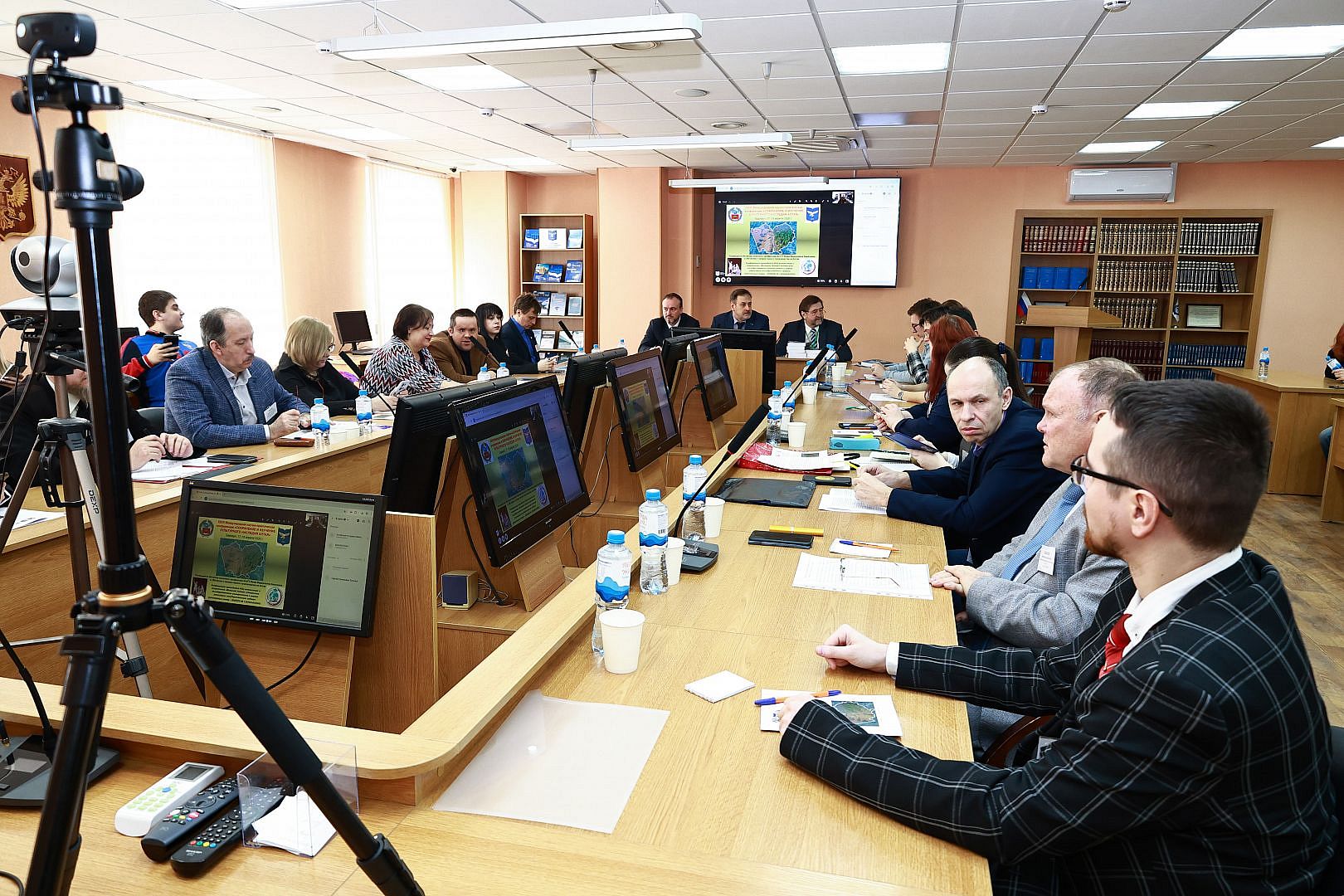
In his opening remarks, Professor Alexey Tishkin, Head of the Department of Archaeology, Ethnography, and Museology at Altai State University and a leading expert at the Greater Altai Research and Educational Center for Altaic and Turkic Studies, emphasized the significance of interdisciplinary approaches to cultural heritage research. He also highlighted the need to maintain the established tradition of hosting international conferences.
Alexey Tishkin:

"This year, our conference has international status. Representatives from near and far are participating. The organizers include the Altai Krai Department for State Protection of Cultural Heritage Sites, the Russian Historical Society, and the I. Arabaev Kyrgyz State University. Altai represents a special historical territory for the Kyrgyz people, and our collaboration with Kyrgyz colleagues is reaching a new, effective level. The conference is dedicated to two landmark dates in 2026: the 80th birthday of Yuri Kiryushin, Honorary Professor of Altai State University, and the 300th anniversary of mining beginnings in Altai. I note that on February 27, Yuri Fedorovich was awarded the Order of Merit for Altai Krai, 2nd Class, for his personal contribution to the region's education."
Altai State University Vice-Rector for International Affairs Development, Roman Raikin, noted that the level of cooperation between Altai State University and Central Asian universities is strengthened by the expanded geographical coverage and a growing number of partners.
Roman Raikin:
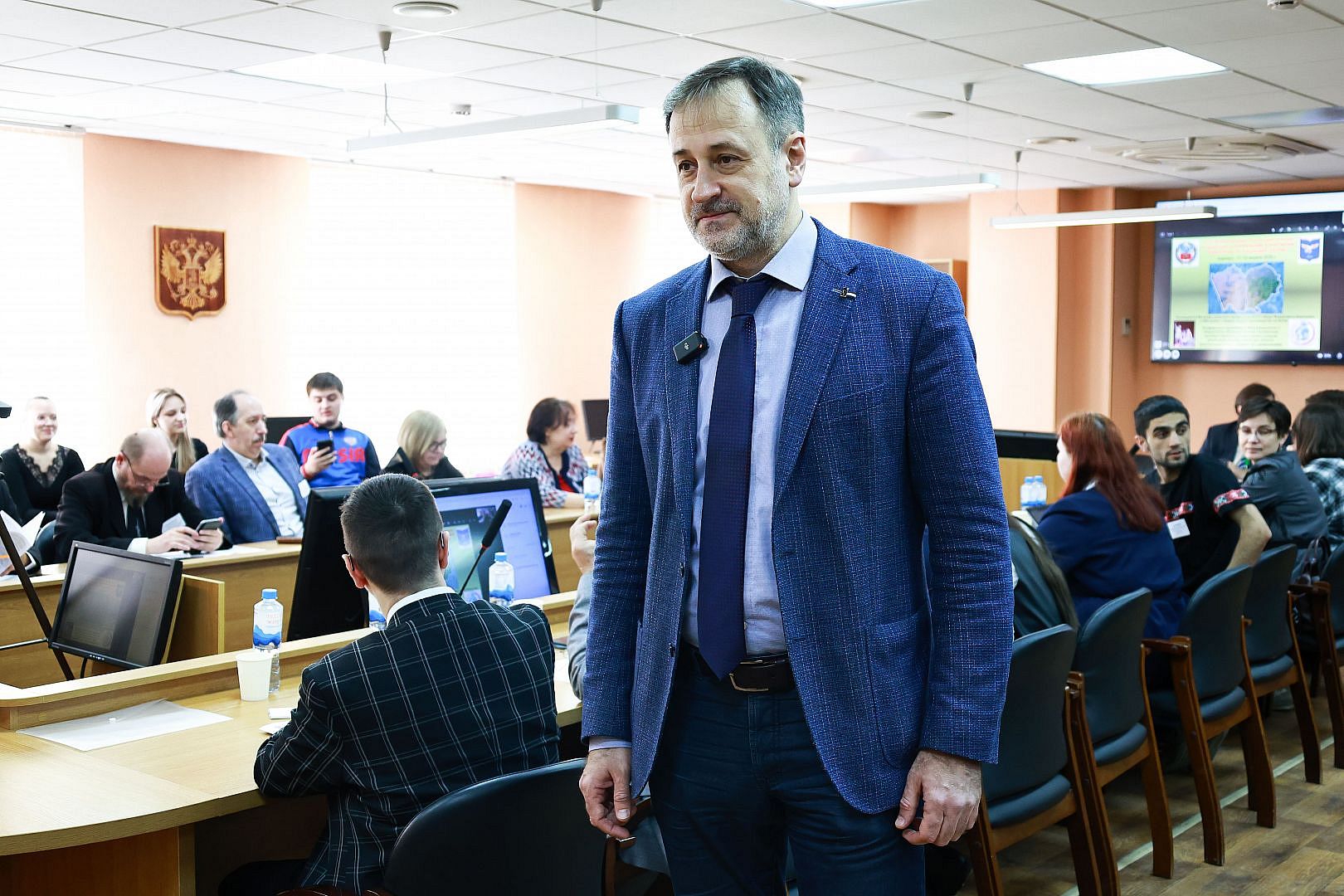
"This enables us to proudly say that we are a center for studying, preserving, and popularizing the historical and cultural heritage of the Greater Altai. This is undoubtedly our university's flagship research topic, which forms the foundation of our network collaboration. Historically, this potential is vital for the socioeconomic development not only for Russian Altai but also adjacent territories. This includes the integration of historical and cultural heritage into tourism and the overall development of the Altai region's image, including on the international stage."
Aigul Abdraeva, Rector of I. Arabaev Kyrgyz State University, also emphasized Kyrgyzstan's special connection with Altai in her video greeting to conference participants.
Aigul Abaraeva:

"For us, Altai holds a special historical connection. Altai is called the 'ancestral homeland of the Kyrgyz.' Altai’s heritage is not merely the property of one region but a vital part of the civilizational legacy shared by all nomadic peoples of Eurasia, uniting us through common historical roots, traditions, and values."
She also highlighted the success of the universities' joint effort within the dual-degree program in history and expressed confidence that the conference will help preserve culture and strengthen dialogue between peoples.
Ivan Nazarov, Director of the Institute of History and International Relations, Chairman of the Altai Krai Branch of the Russian Historical Society, and leading expert at the Greater Altai Research and Educational Center for Altaic and Turkic Studies, emphasized in his speech the conference's "branded" status for the university and the region.
Ivan Nazarov:
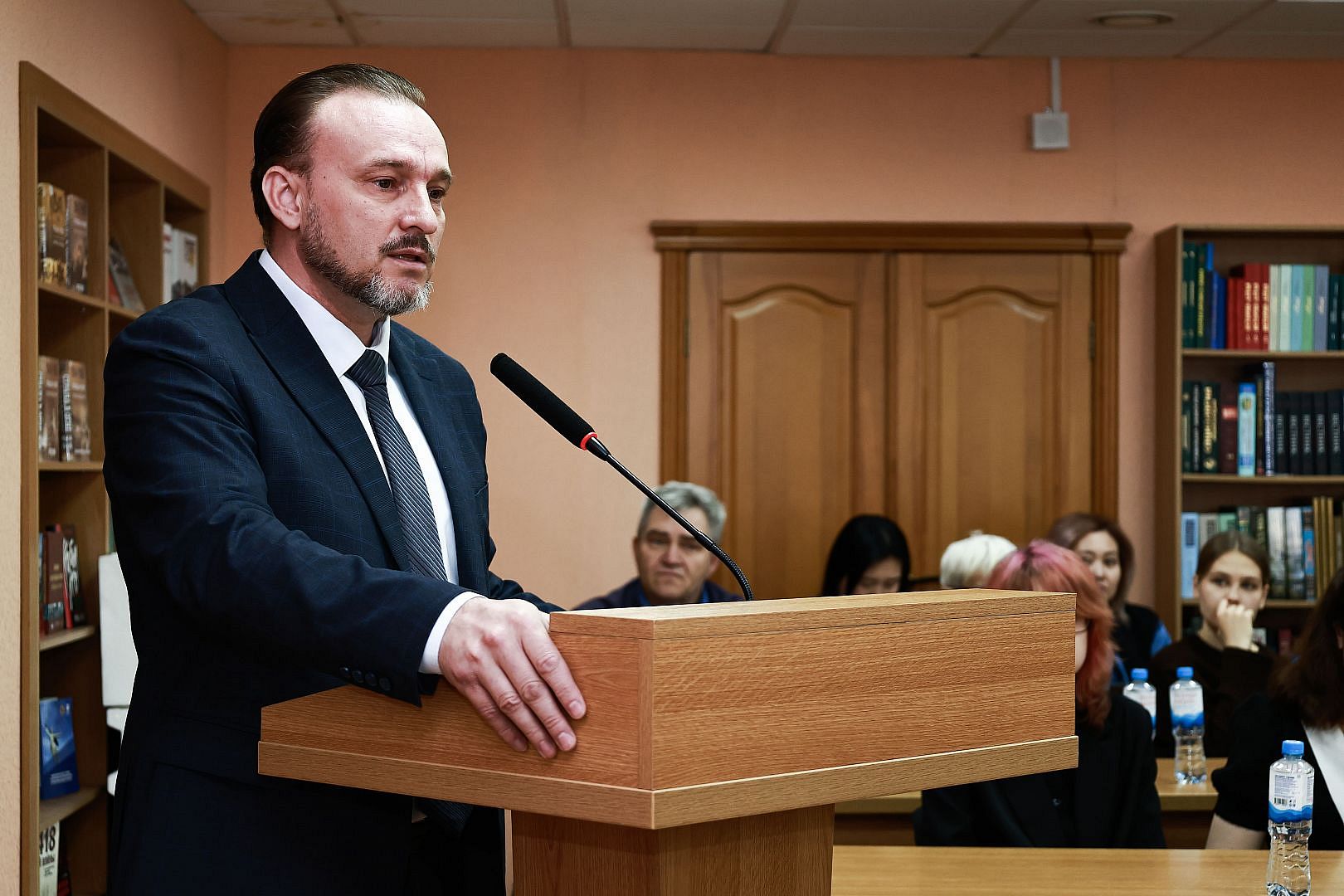
"For the 32nd time, the conference brings together scholars from across the globe to discuss important issues of preserving historical and cultural heritage." Altai is the ancestral home of many peoples, and in 2026, which has been declared the Year of Unity of the Peoples of Russia, this theme holds special relevance."
Ivan Nazarov further emphasized that the theme of the 300th anniversary of mining’s founding in Altai featured the priority areas of the Russian Historical Society. This enabled a series of events, including the exhibition "The First Miners and Metallurgists of Altai," which is currently on display at the Altai Museum of Archaeology and Ethnography at Altai State University.
Yulia Lysenko, Head of the Greater Altai Research and Educational Center for Altaic and Turkic Studies, thanked the staff of the university's Department of Archaeology, Ethnography, and Museology for their active involvement in the center's work and in preparing the next conference.
Yulia Lysenko:
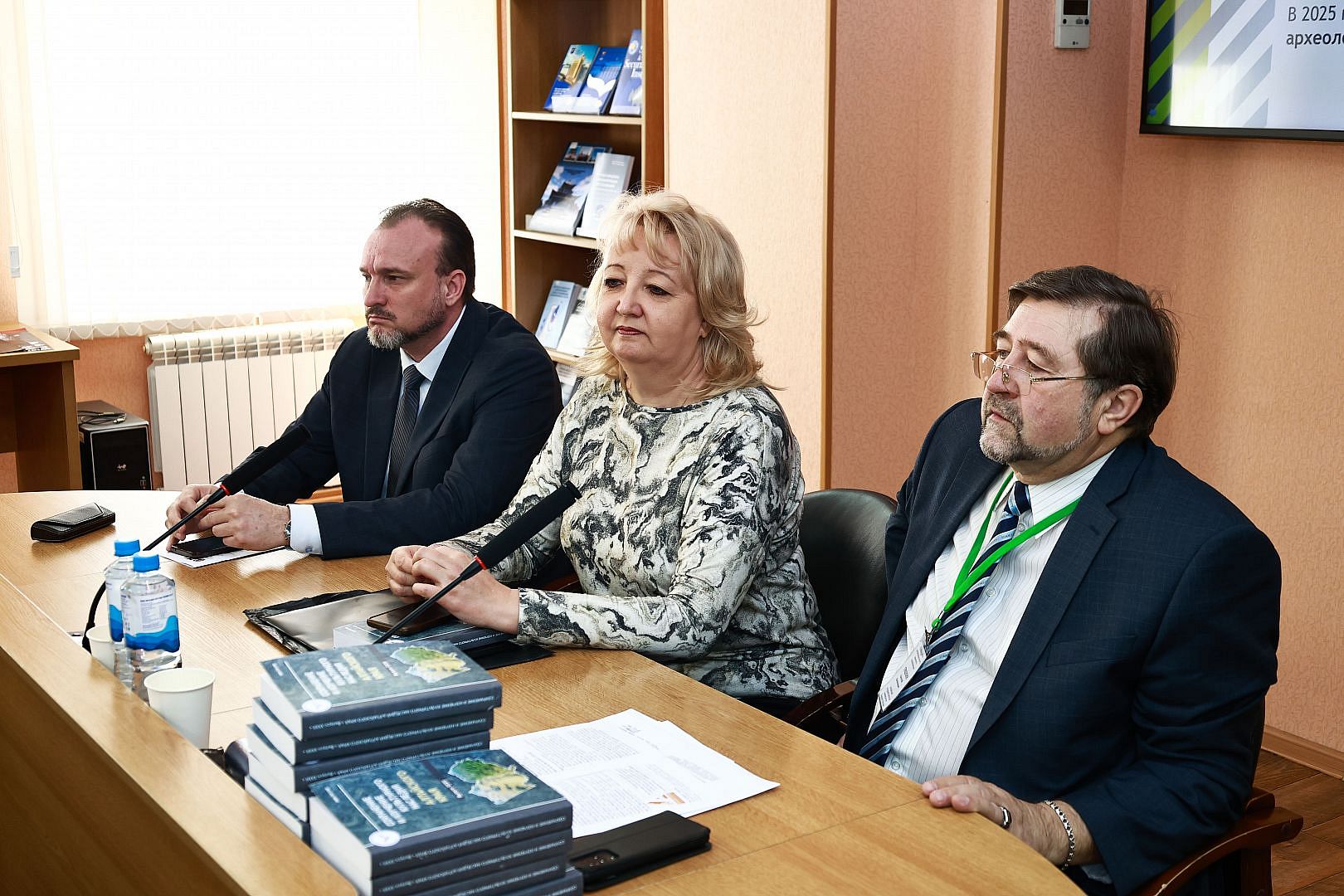
"As part of the REC's activities, we are making enormous efforts to study, preserve, and promote the historical and cultural heritage of the peoples inhabiting not only Altai Krai but the entire the Greater Altai region. The project's geography is steadily expanding. Today, we are delighted to welcome our colleagues from Turkmenistan, who are participating in this international conference for the first time."
Elena Kabanova, Deputy Head of the Department for State Protection of Cultural Heritage Sites of the Altai Krai, presented statistics and the region's achievements in monument protection. She discussed legislative innovations aimed at safeguarding historical and cultural heritage sites and emphasized the importance of collaborating with Altai State University staff.
Elena Kabanova:

"Altai Krai ranks first in the Siberian Federal District in the number of cultural heritage sites. The State Protection Service, Altai State University, and law enforcement agencies collaborate continuously to combat illegal diggers and other illegal activities damaging archaeological sites. In 2025, new sites will be added to the register of monuments, and we will persist in protecting cultural heritage. Respect for historical and cultural monuments is our shared civic duty."
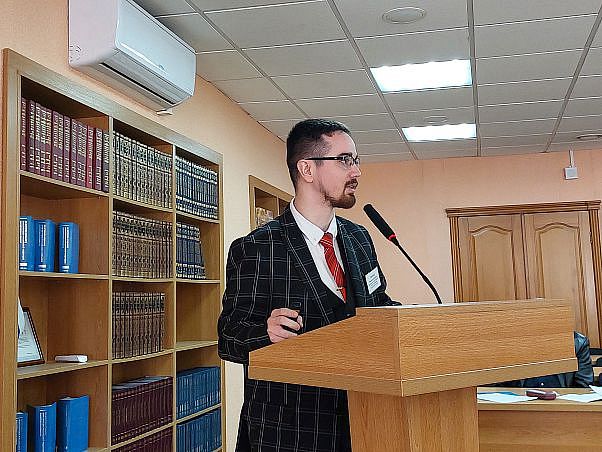
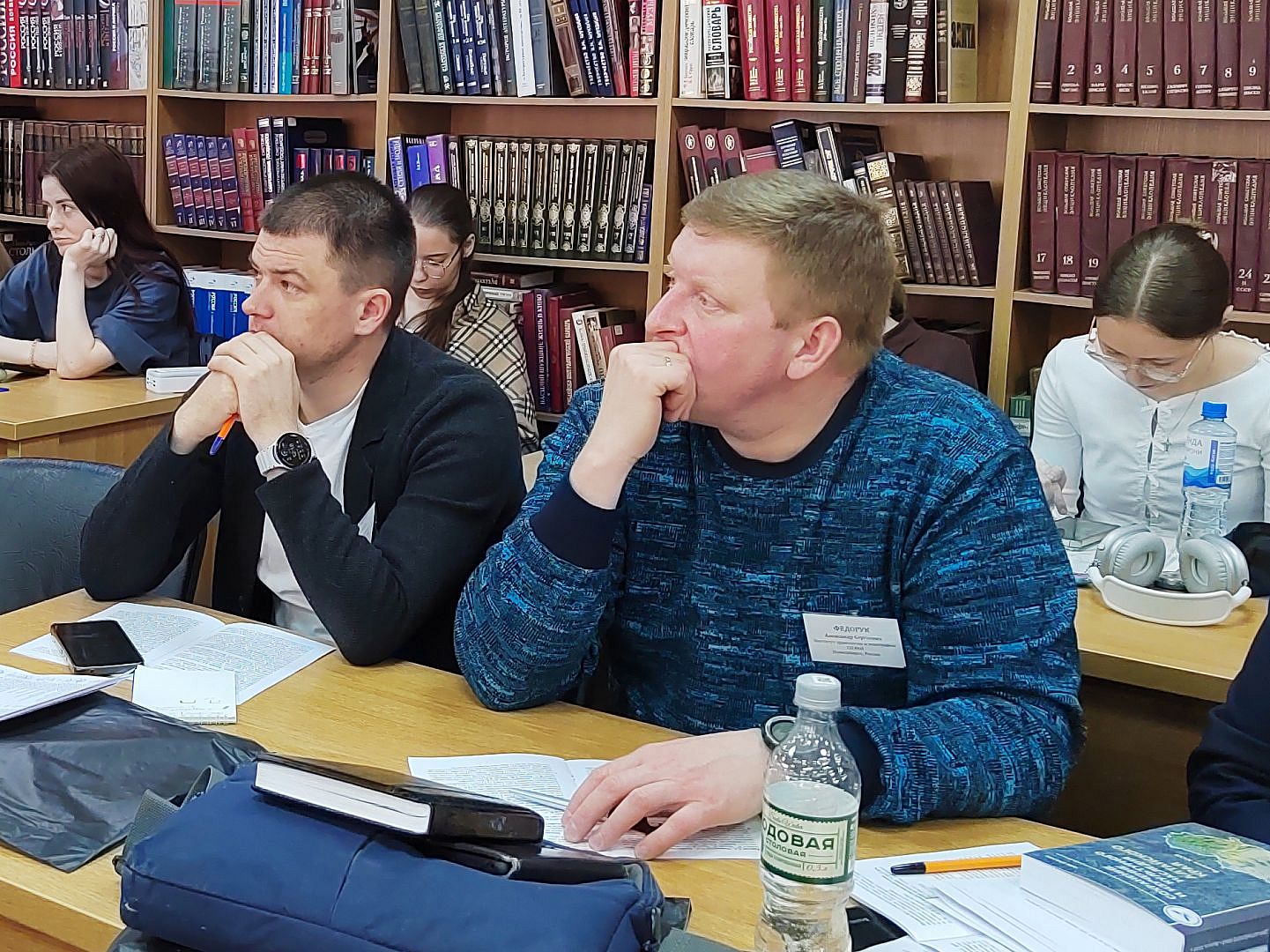
During the plenary session, scholars from various countries presented the results on topics ranging from field excavations to interdisciplinary approaches to cultural heritage protection. Conference participants discussed challenges in preserving and managing museum collections, developing ethnocultural tourism, and improving statistics and inventories. The presentations sparked interest and lively discussions. Professor Alexey Tishkin highlighted the results of joint expeditions in Kyrgyzstan and Mongolia, as well as a report reflecting on Yury F. Kiryushin's longstanding contributions in Altai Krai.
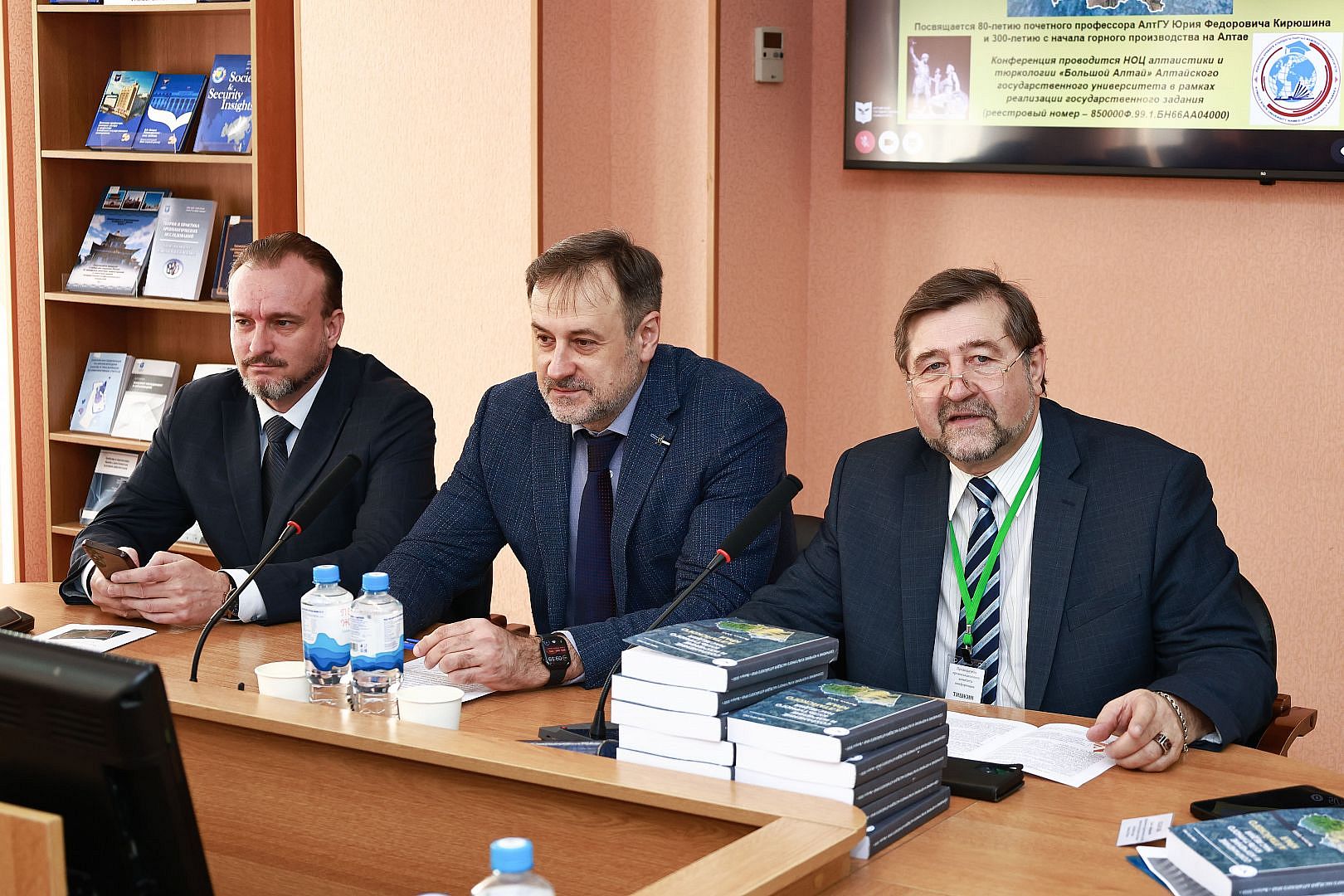

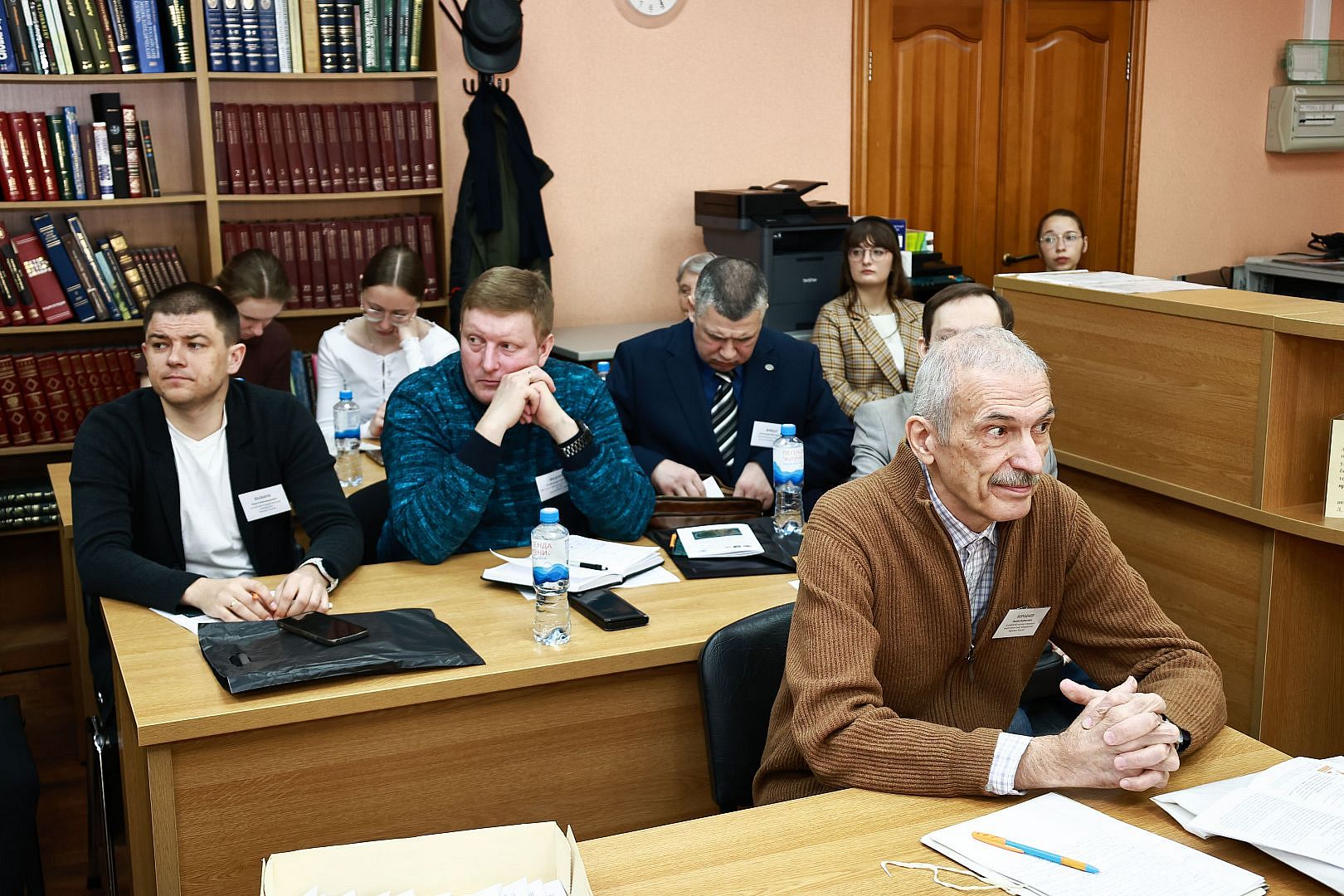


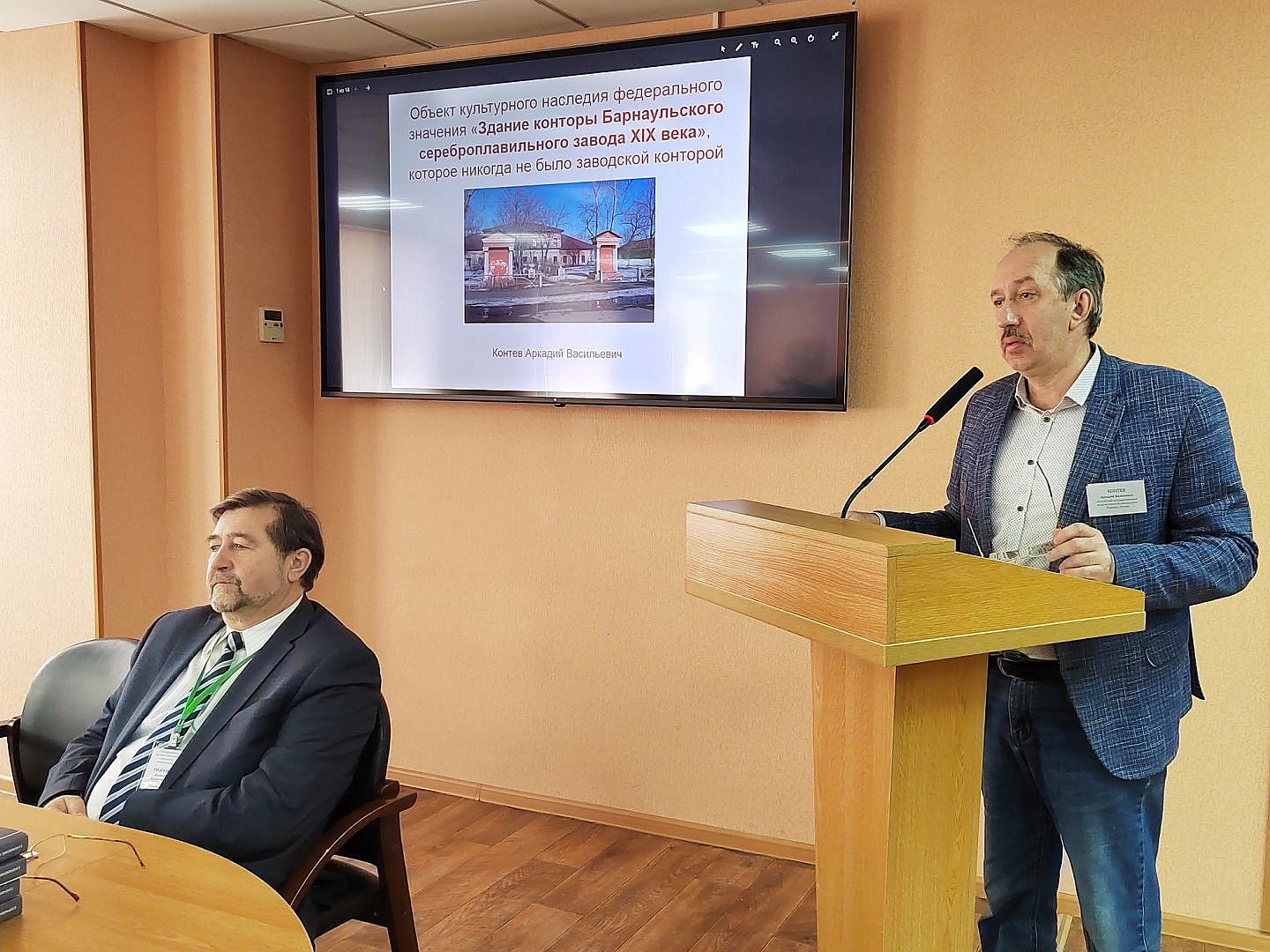


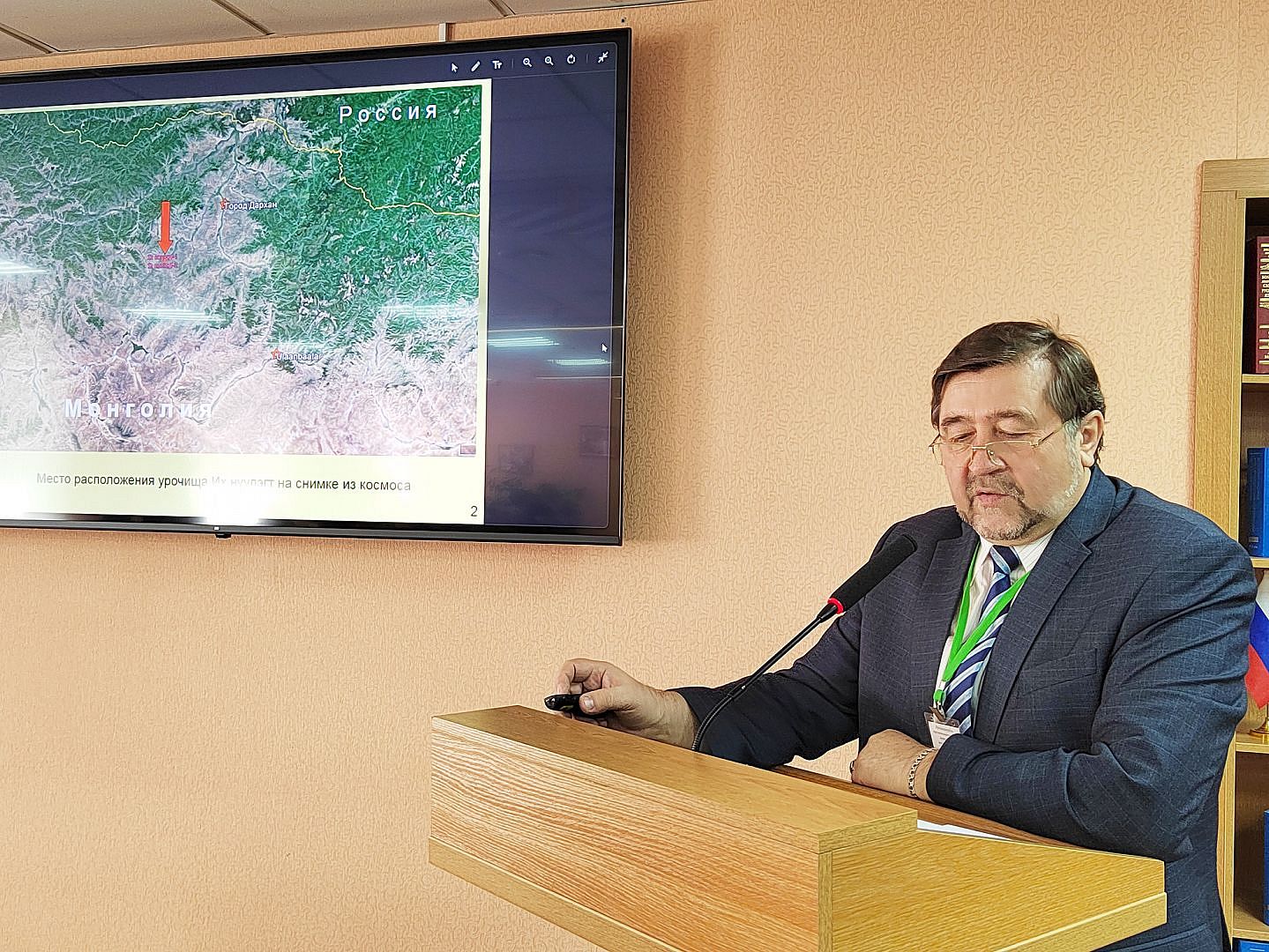
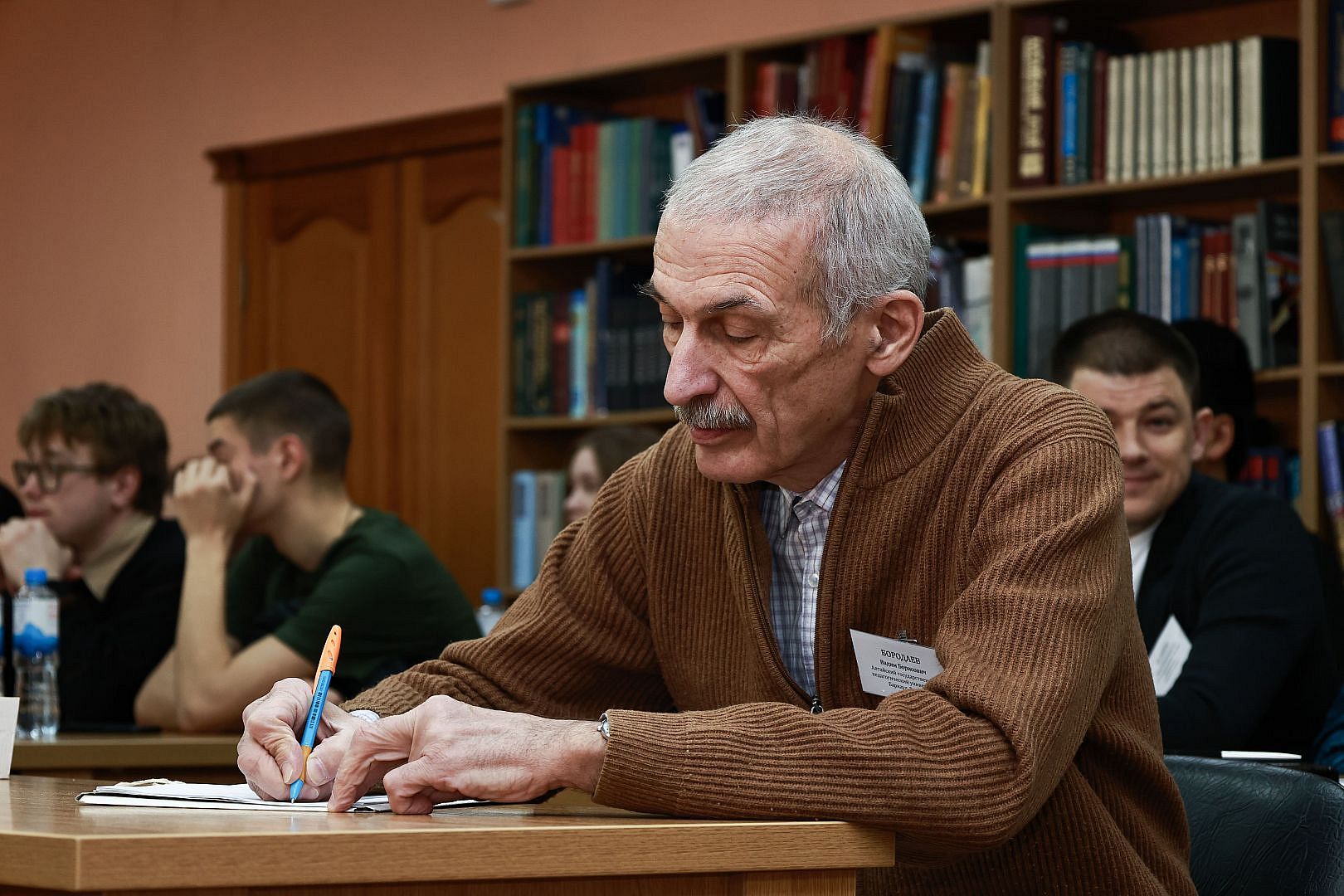


The sections covered the latest findings on archaeological, historical, architectural, and ethnographic monuments in Altai. Researchers focused on the use of heritage sites in museum activities and cultural tourism.


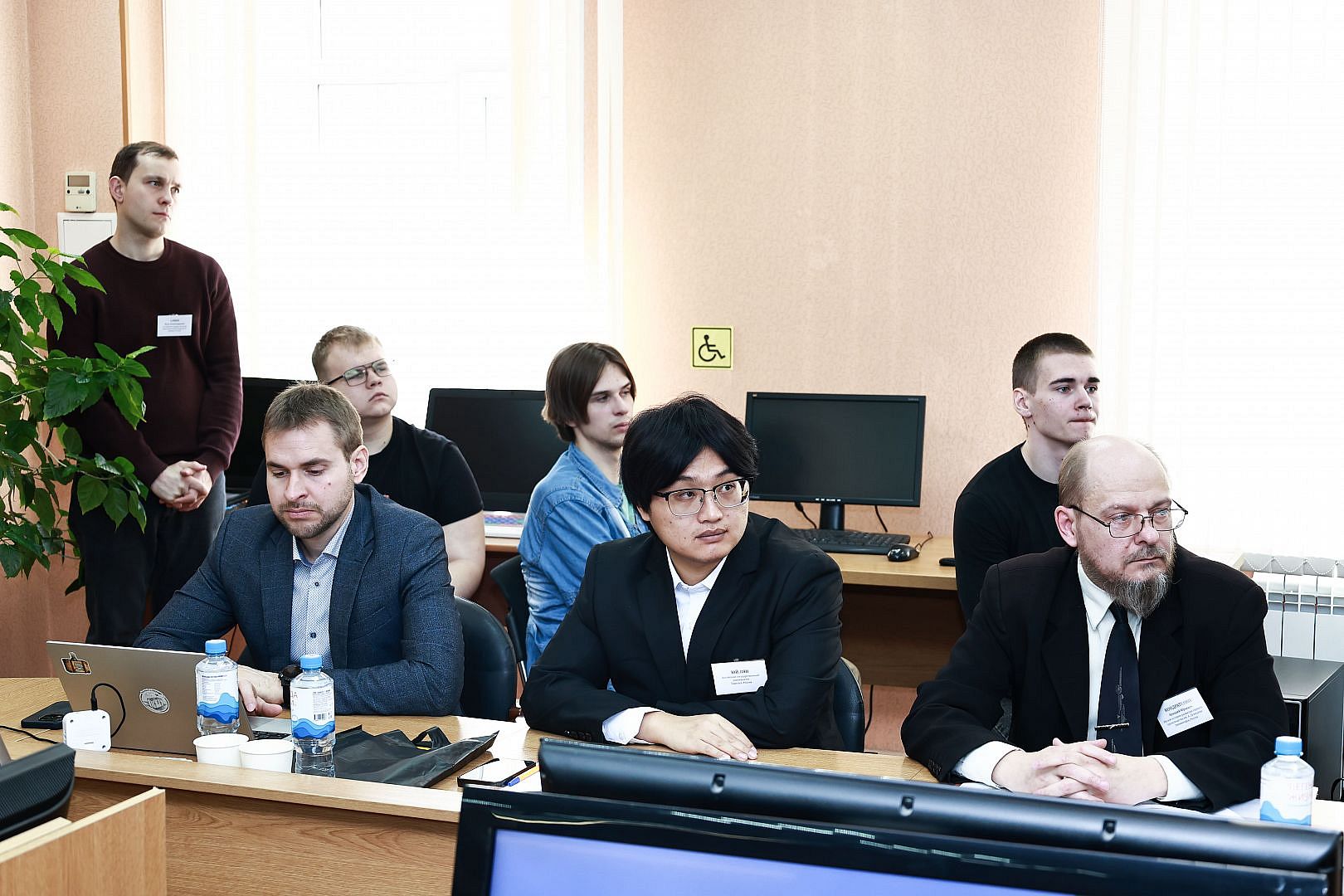
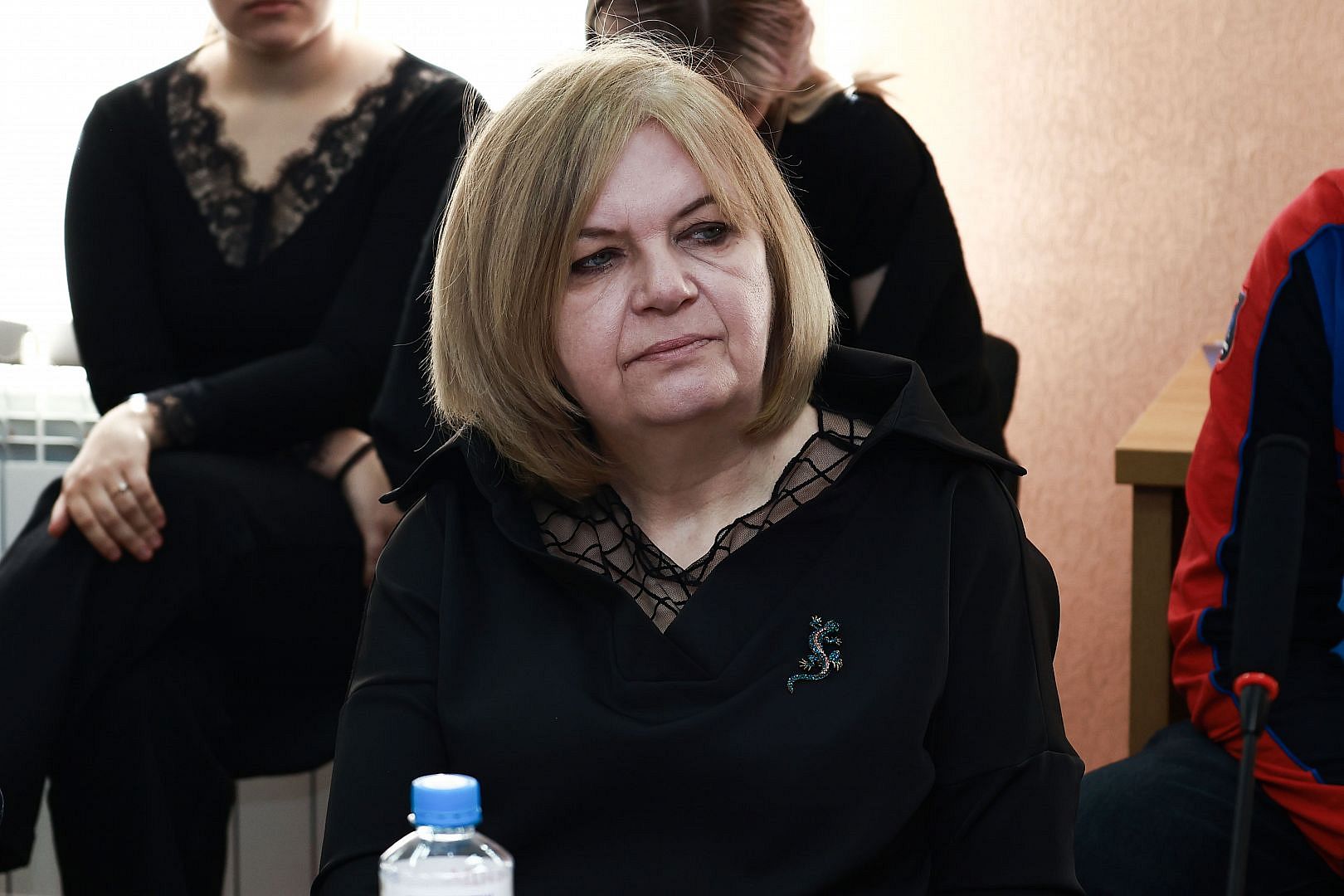

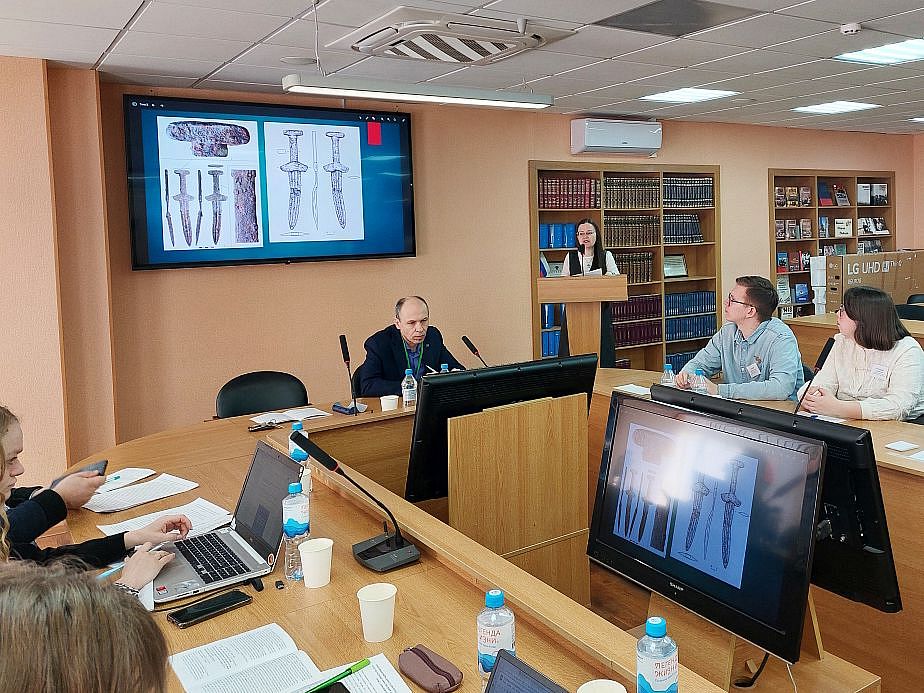

Alexey Tishkin summarized the conference:
"This conference was first organized at the initiative of Yury Kiryushin. Traditions are preserved and advanced. A collection of articles has been published as a scientific periodical indexed by the Russian Science Citation Index (RSCI). Spanning 470 pages, it presents important scientific and practical material on preserving and studying cultural heritage, drawing an increasing number of international colleagues each year. This conference serves as a platform for young researchers to share their findings. Importantly, it encompasses all the training areas offered by the Department of Archaeology, Ethnography, and Museology at Altai State University. Therefore, the conference materials will be of great interest to undergraduate, graduate, and postgraduate students.
The conference underscored that modern archaeology extends beyond surveys and excavations; it also actively participates in preserving cultural and historical heritage. Modern technologies aid monument studies, threats from looting, economic activity, and limited financial funding persist. Solutions require joint efforts of scientists, government, and society, as ancient artifacts and settlements represent immense value, a legacy of civilization, and shape socioeconomic development and state legitimacy.