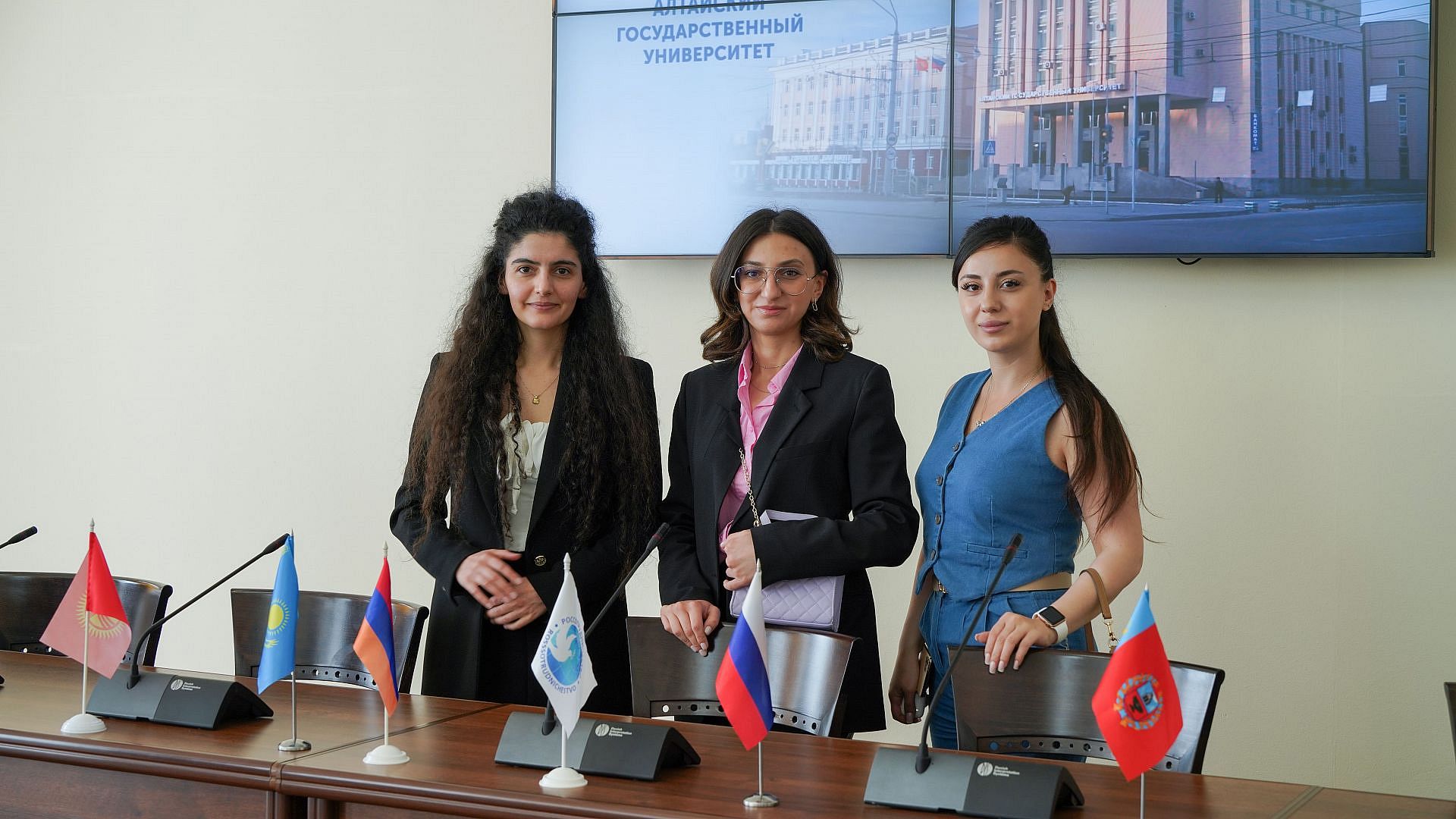
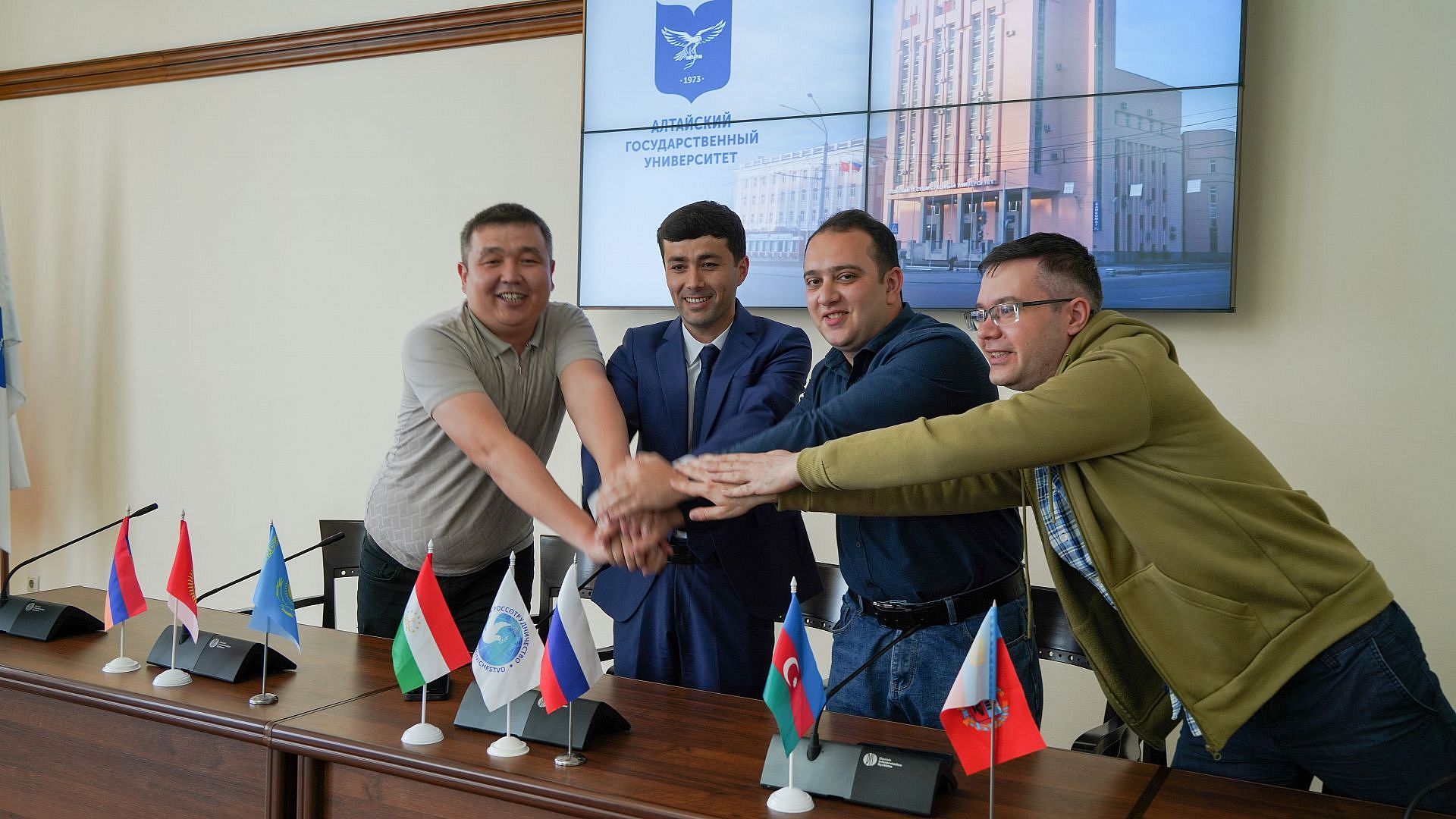
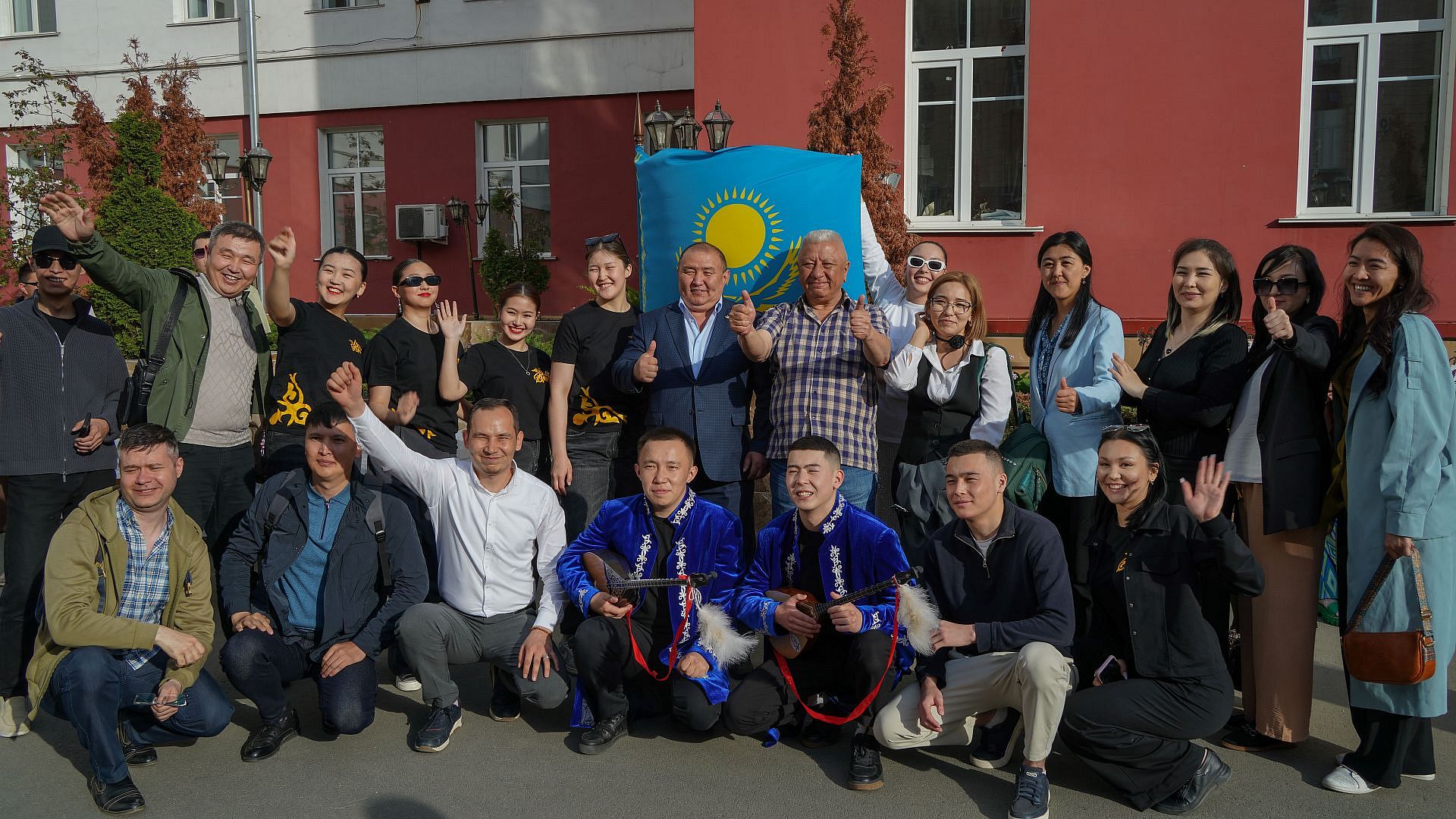
New projects of international humanitarian cooperation were presented at the School of Young Leaders of Asian Countries. The event took place on May 19–22 at Altai State University and brought together almost 40 young leaders from Armenia, Azerbaijan, Kazakhstan, Kyrgyzstan, Mongolia, Tajikistan, and Uzbekistan.
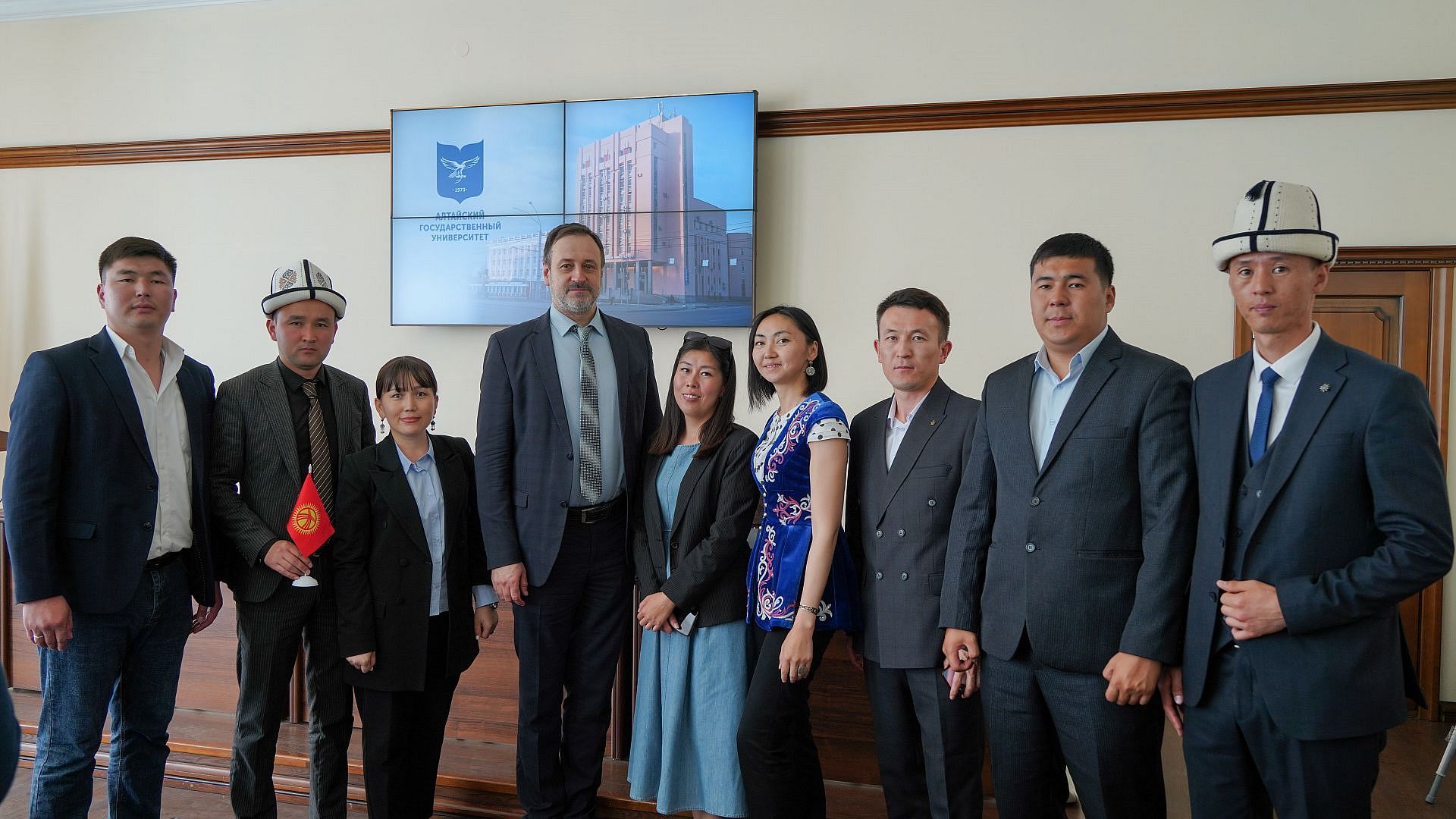
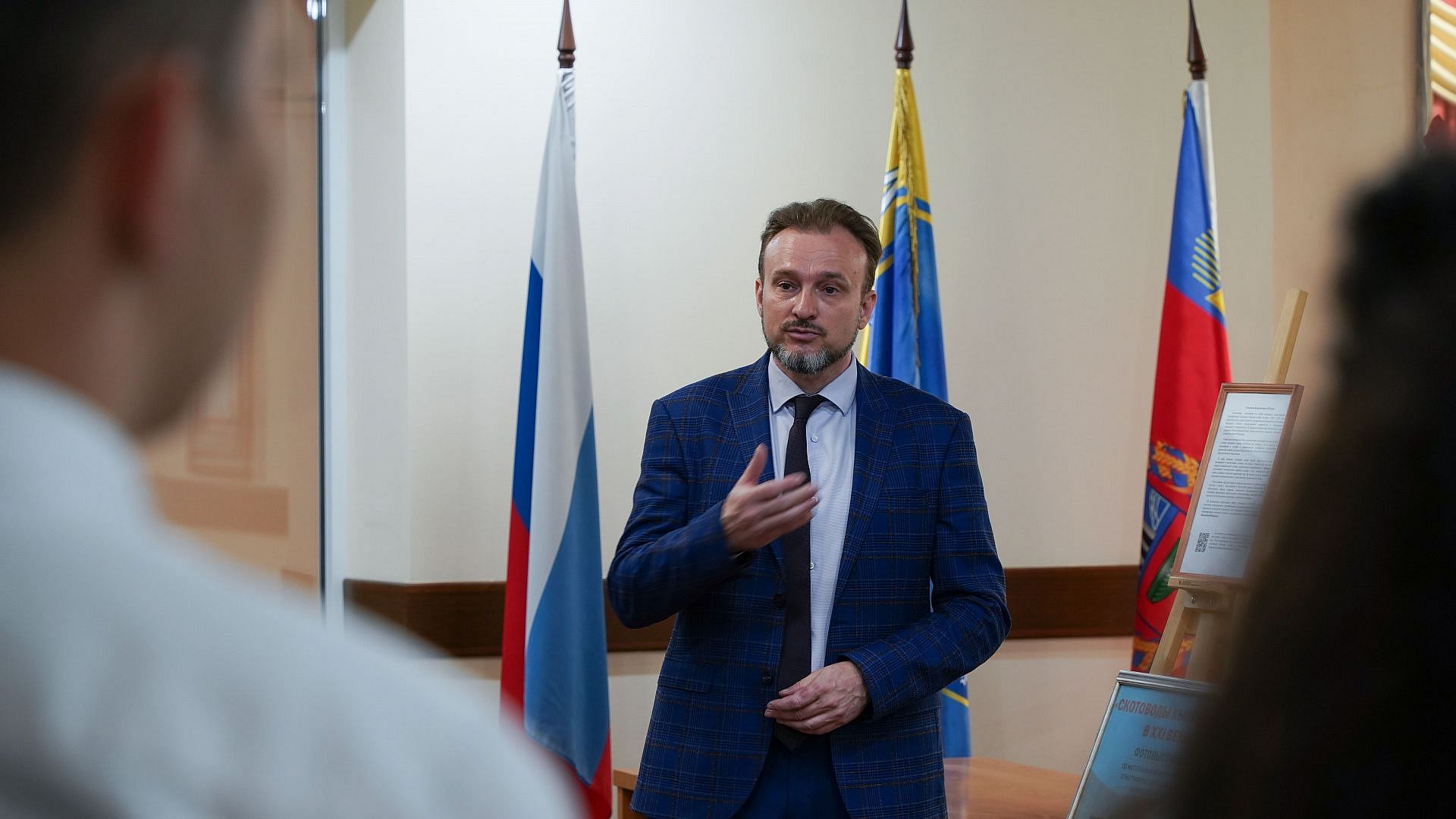


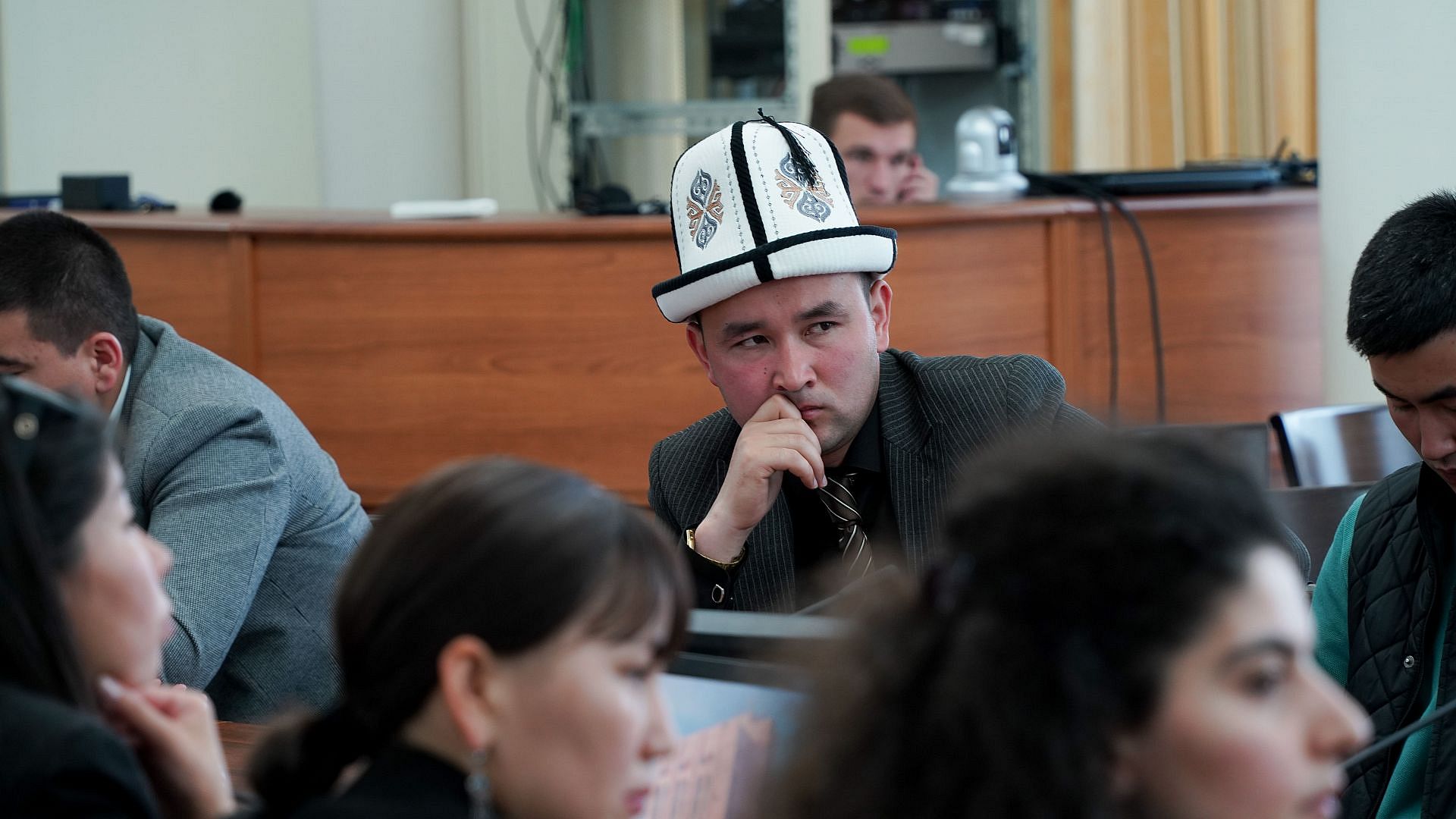
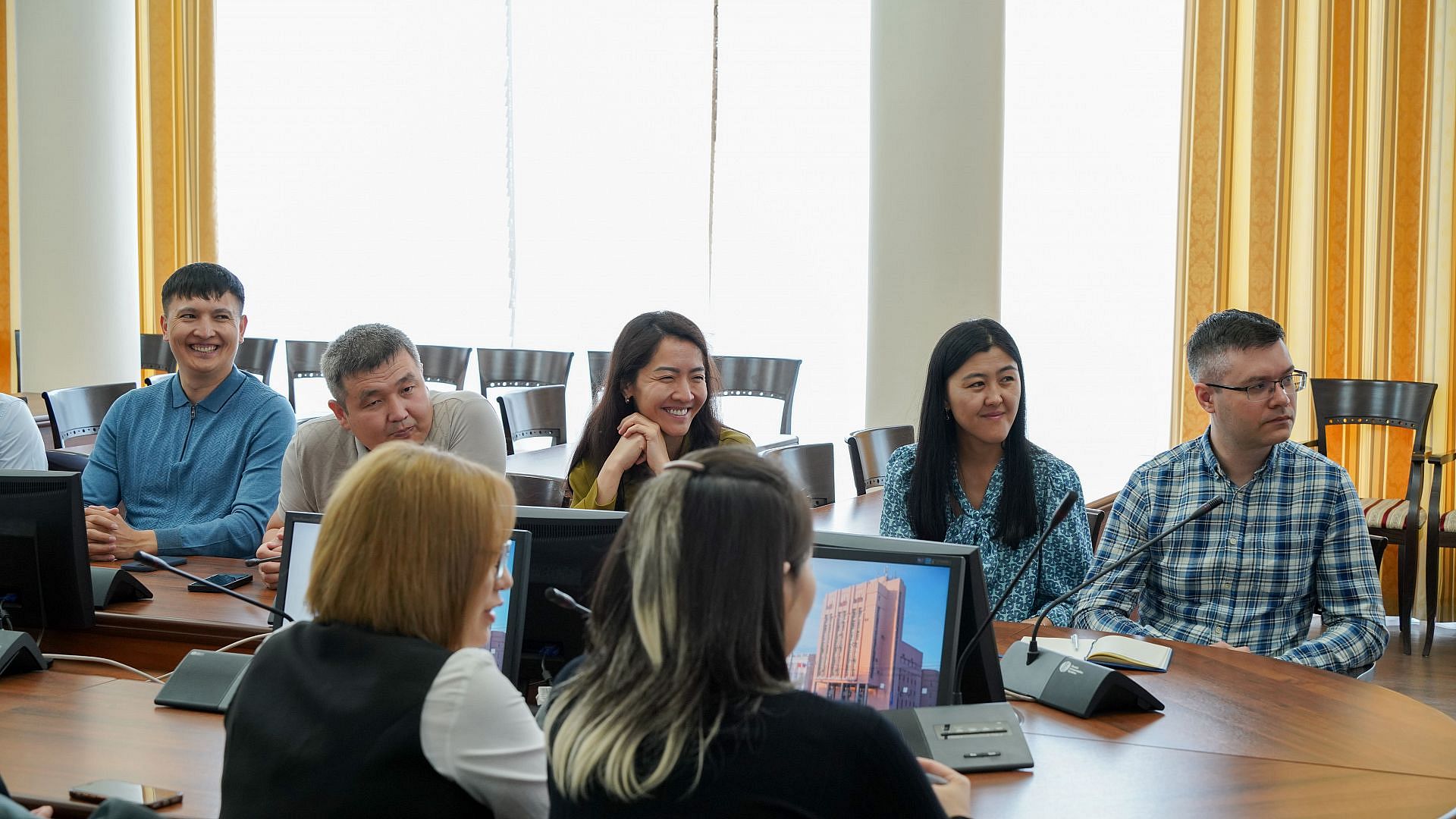


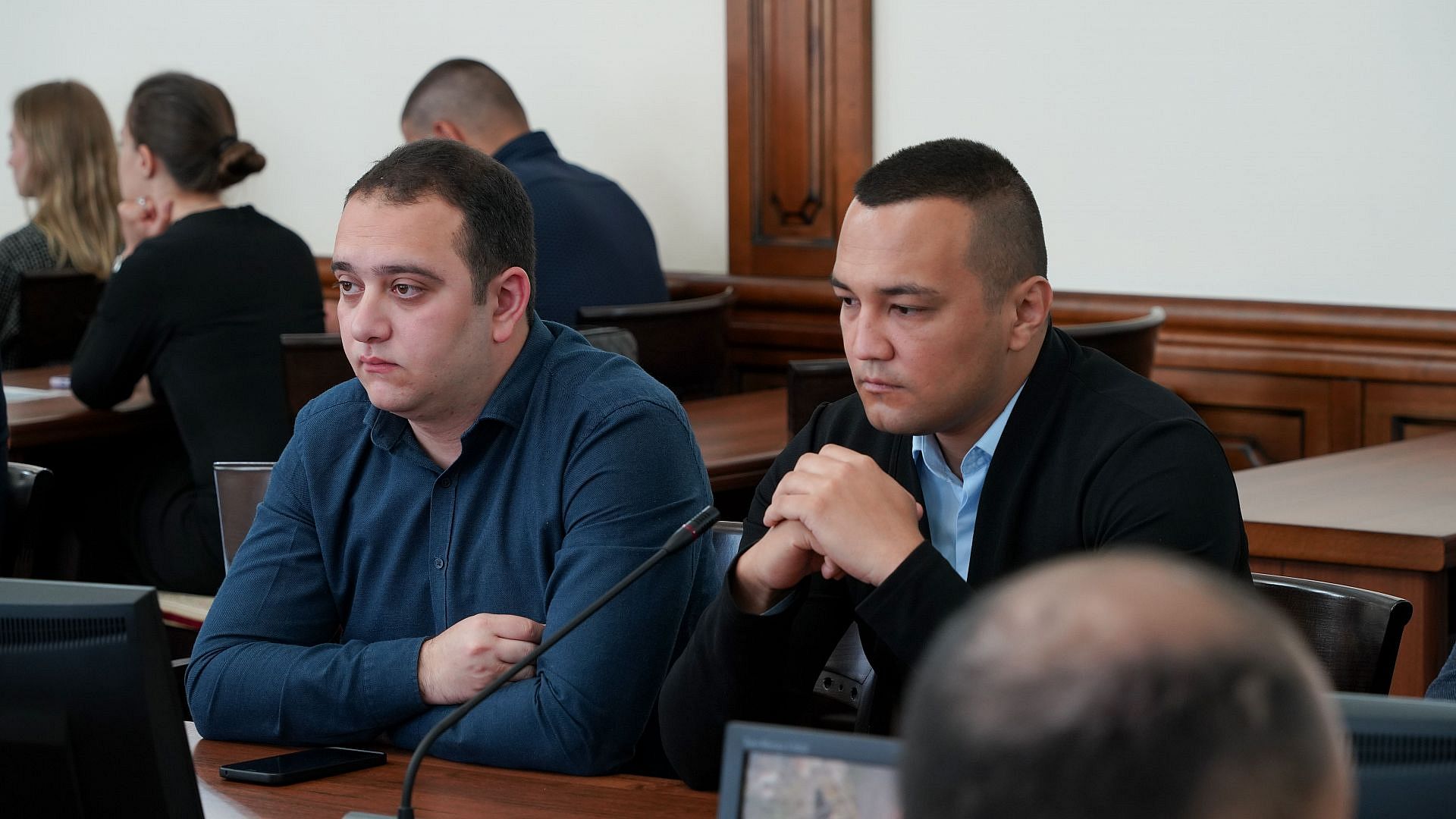



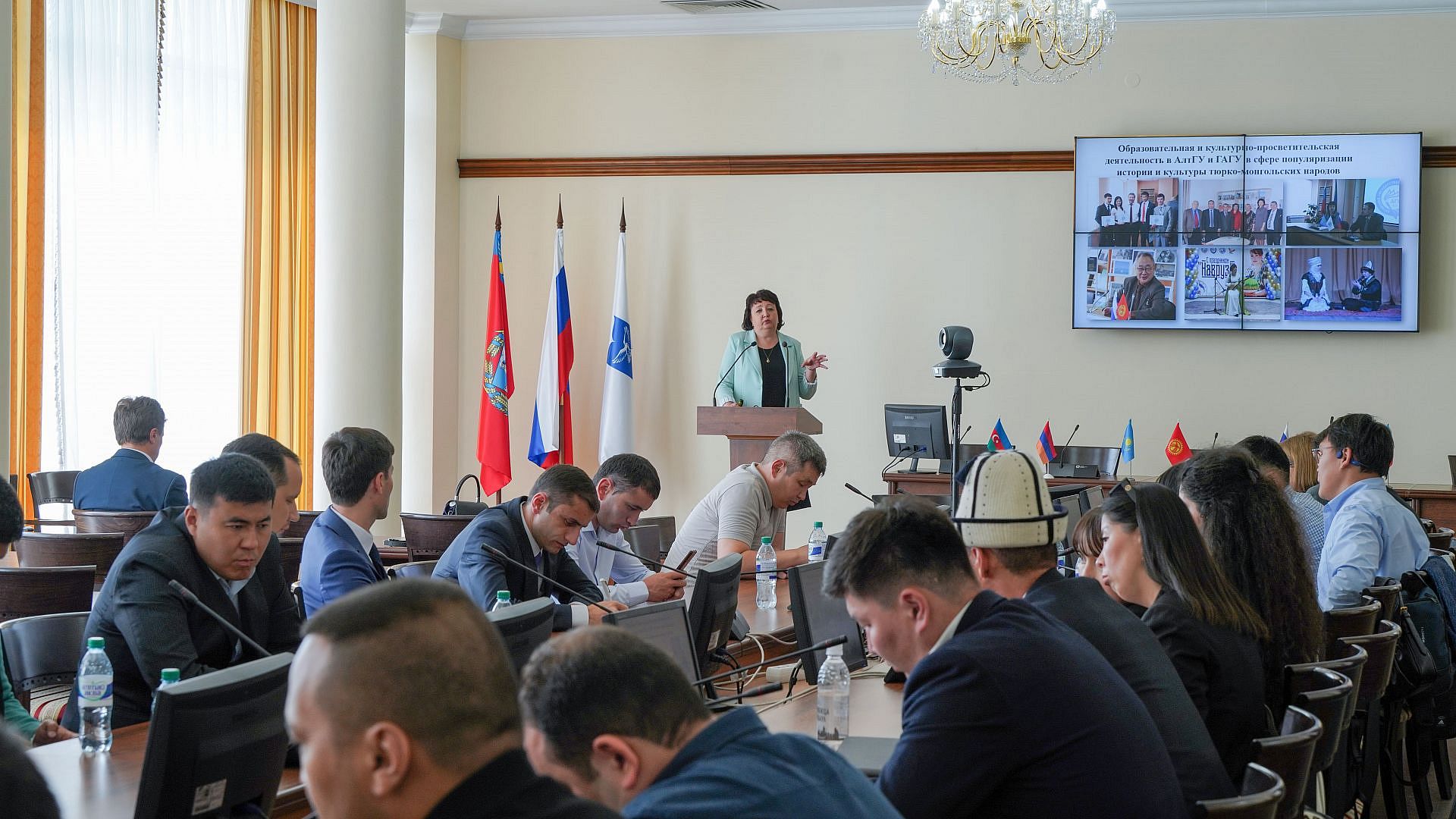




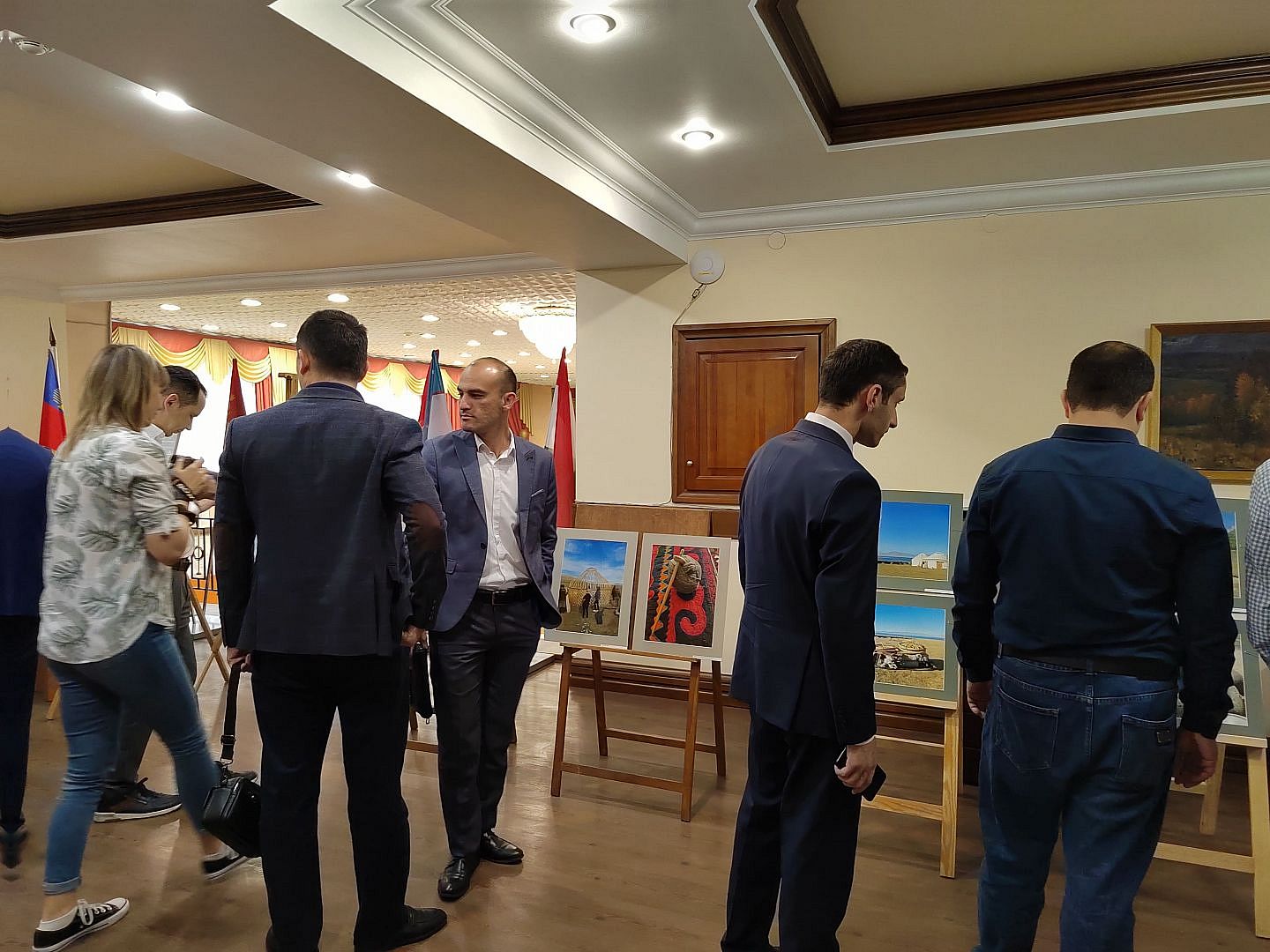



Expert of the Research Center for Altaic Studies and Turkic Studies "The Greater Altai", Director of the Institute of International Relations of Altai State University, Chairman of the Council of the Branch of the Russian Historical Society in Altai Krai, Candidate of Historical Sciences Ivan Nazarov, welcomed the participants before the start of the strategic sessions and presented his photo exhibition "Cattle Breeders of Kyrgyzstan in the 21st Century", which was based on materials of international ethnographic expeditions.
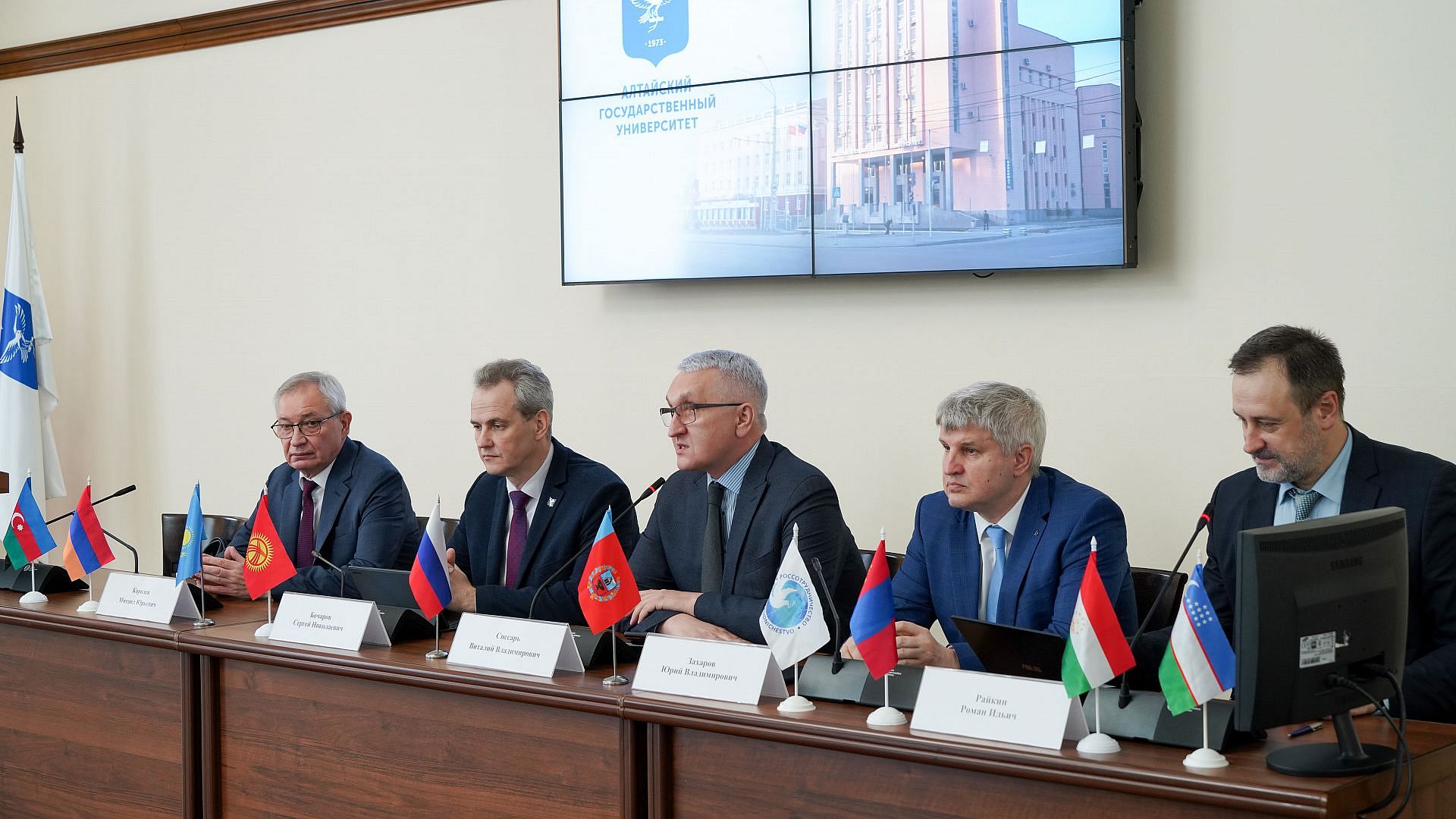
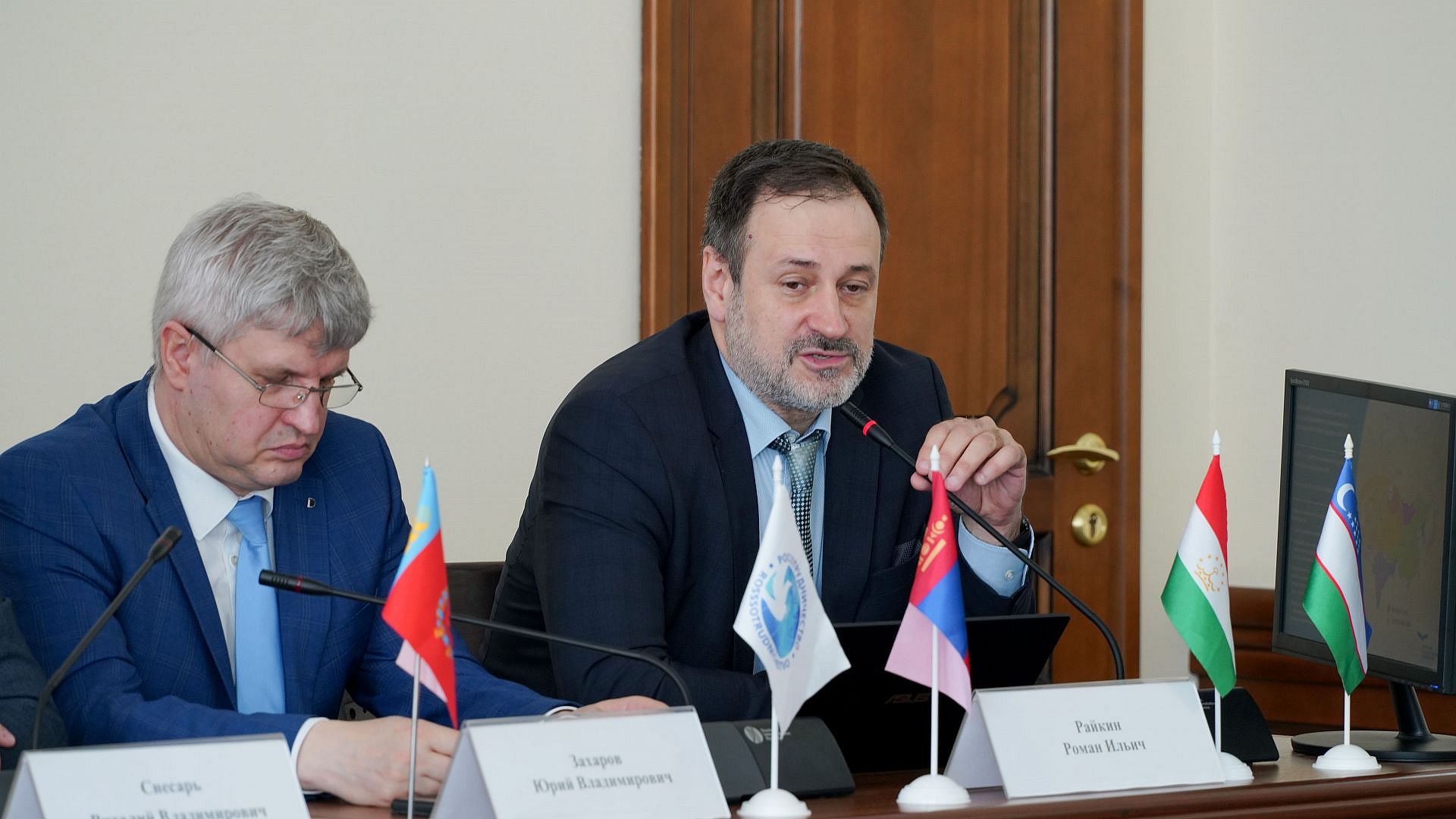
The opening of the School of Young Leaders of Asian Countries was attended by Vitaly Snesar, Deputy Chairman of the Government of Altai Krai, Head of the Administration of the Governor and Government of Altai Krai, Yuri Zakharov, Head of the Department of the Administration of the Governor and Government of Altai Krai for External Relations and Protocol, Mikhail Korolev, Representative of the Ministry of Foreign Affairs of the Russian Federation in Barnaul, and Sergei Bocharov, Rector of Altai State University.
Roman Raikin, Vice-Rector for International Affairs Development at ASU, moderated the event.
Vitaly Snesar addressed the School participants with a welcoming speech:
– We have extensive experience in collaborating with various international structures, we are actively engaged in creating platforms where people from different regions and countries, primarily young people, can gather on our territory, exchange ideas, offer support and establish connections. They often make friends and initiate a lot of interesting things. We invite you to participate in any events we host. We always welcome guests and are ready to provide assistance in organizing such events. Our collaboration, I mean collaboration between the regional government and Altai State University in this area, is likely one of the exemplary implementations of such joint initiatives. We are delighted to welcome you and we believe that your stay here will be both engaging and productive, and you will make valuable contacts.
Sergei Bocharov also gave a welcoming speech and commemorative words:
– It is crucial for our university in the Russian Federation, and for your countries to ensure scientific and technological development. Today we understand: those who lag behind in this development experience a decline in their standard of living. Therefore, we need to work together. Our university is ready to assist you in promoting the projects that we will undertake. We are open to your ideas. As young people, the future holds great opportunities for you. You will occupy leadership positions, but remember about our university. Building strong connections is essential, and through these relationships we can work together towards our shared future.
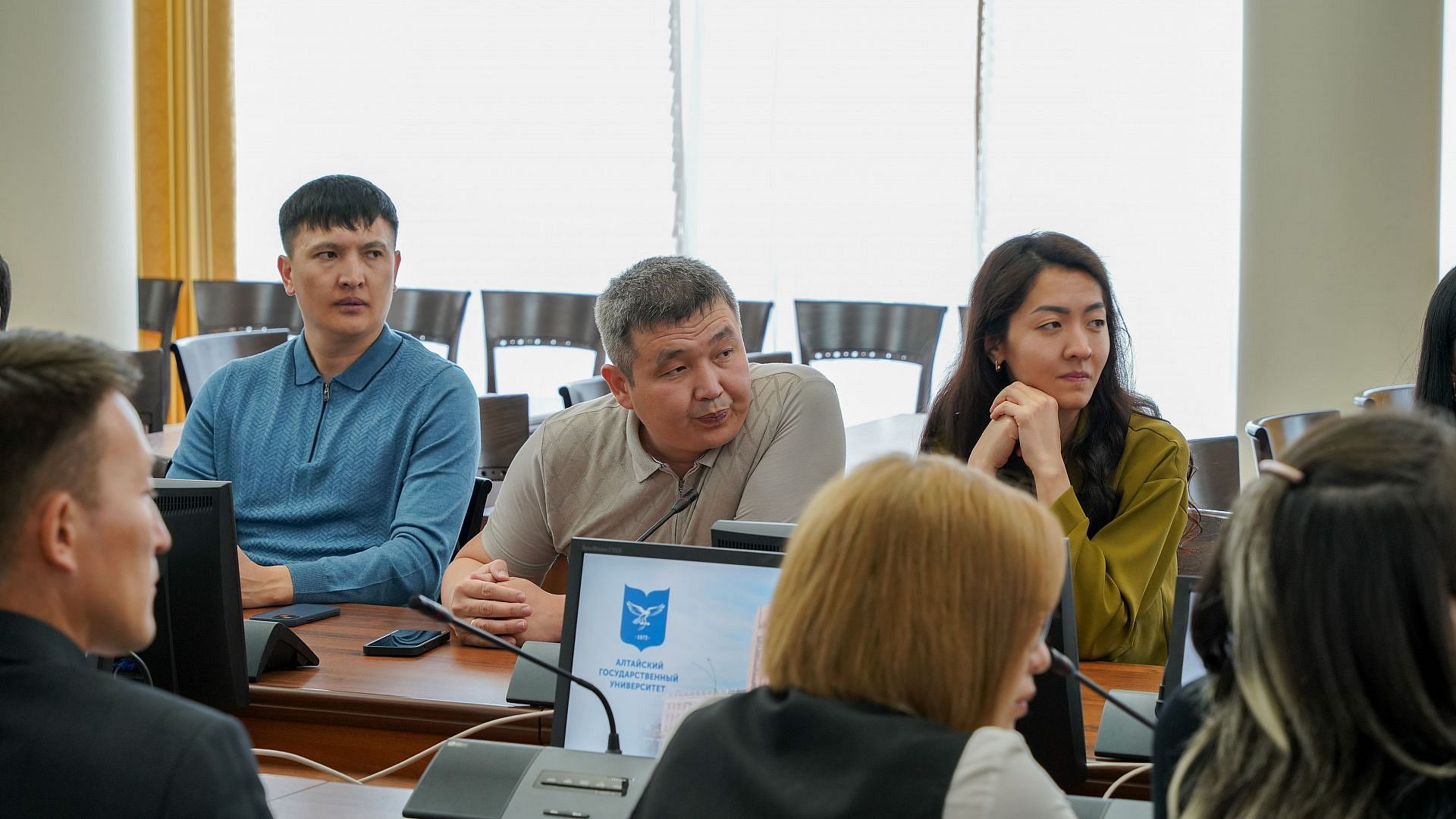
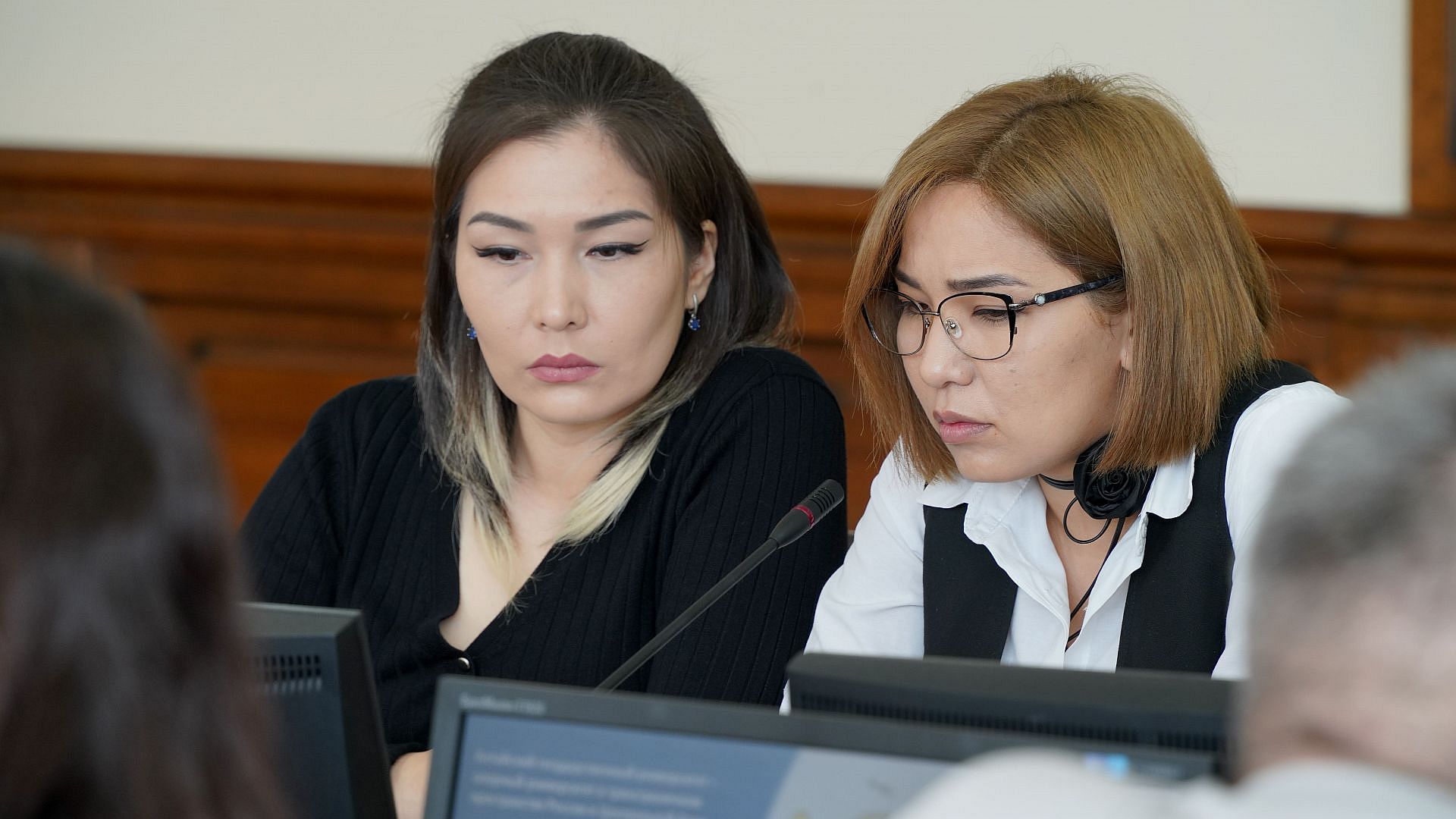
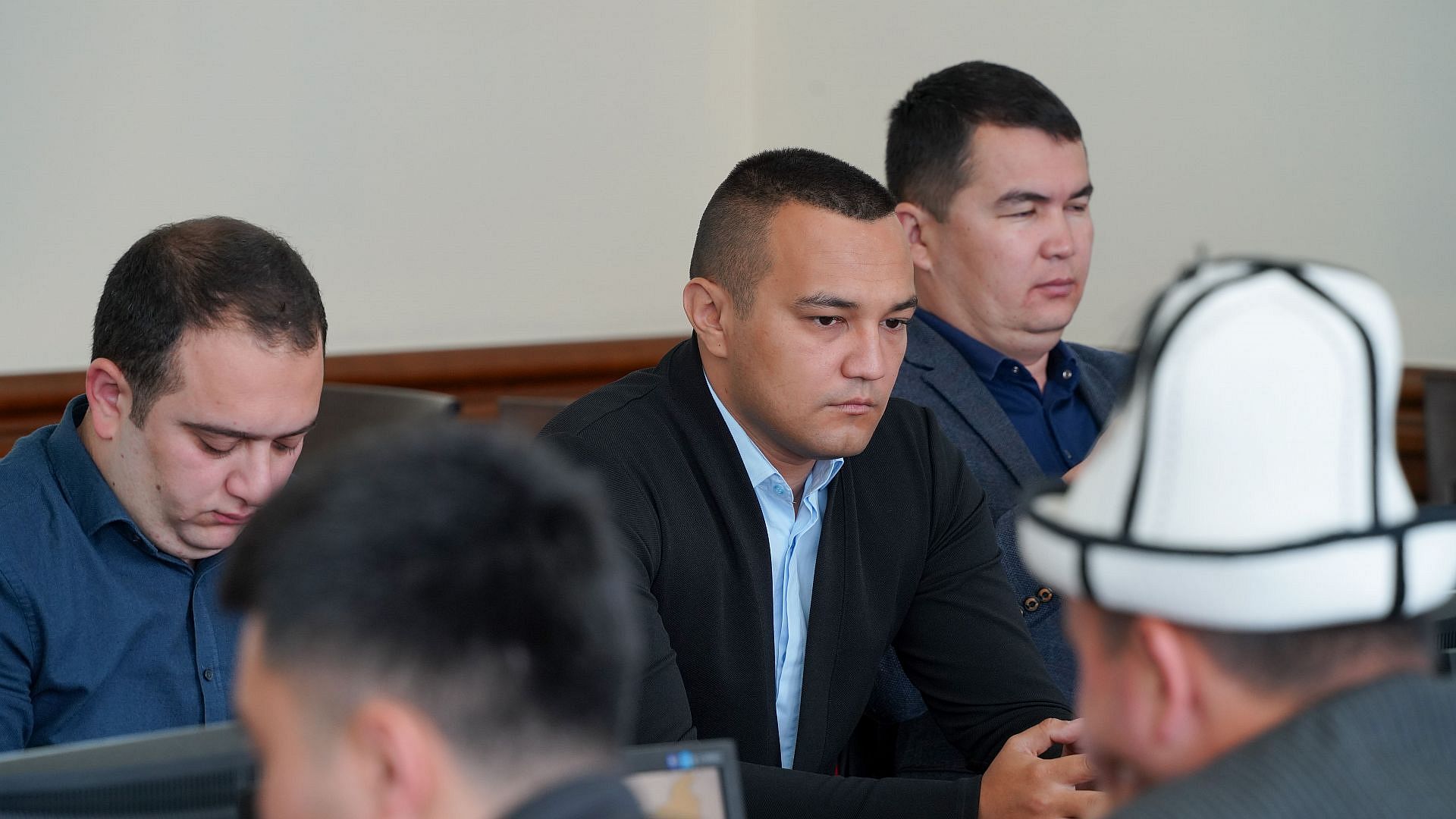
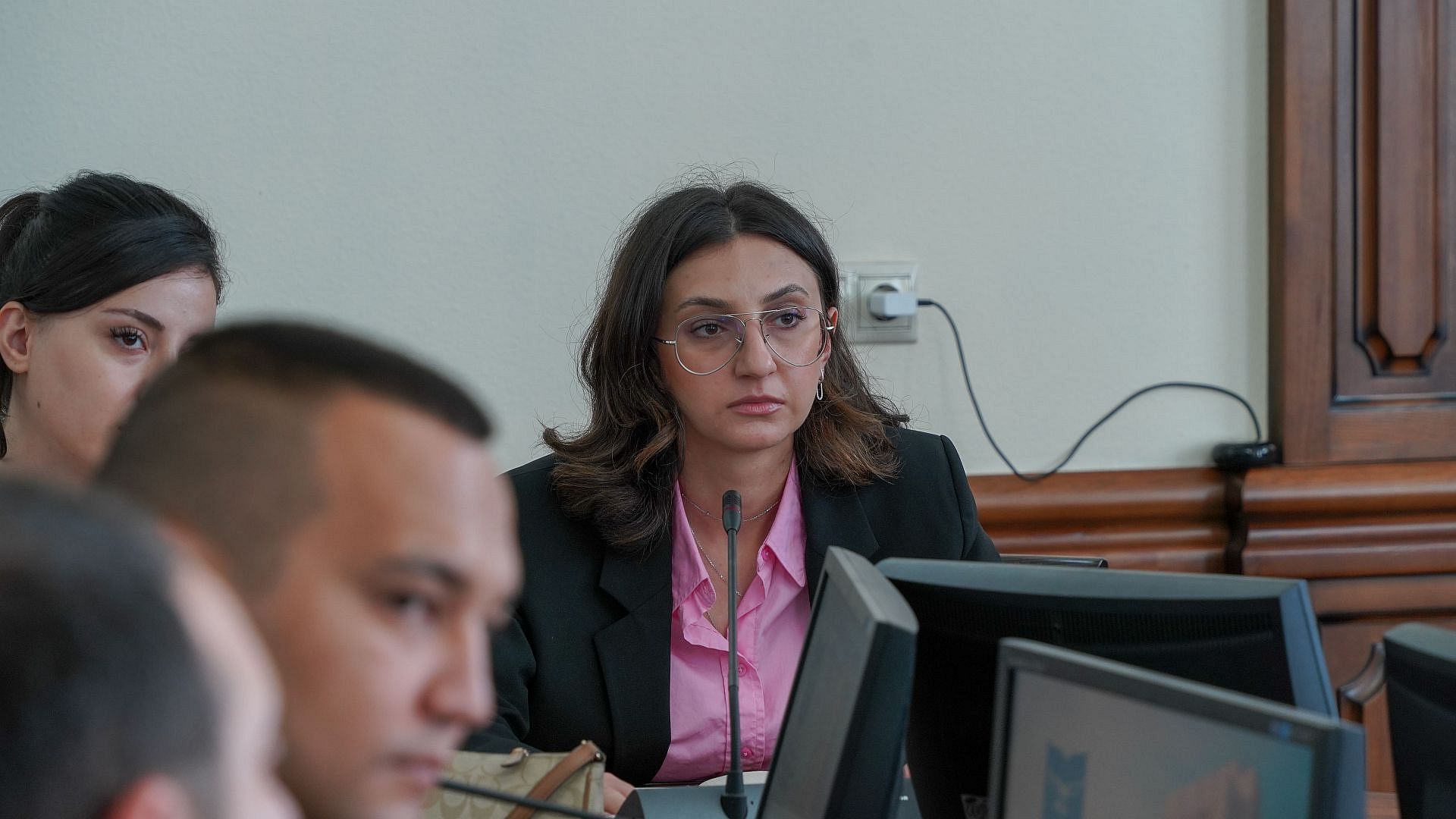
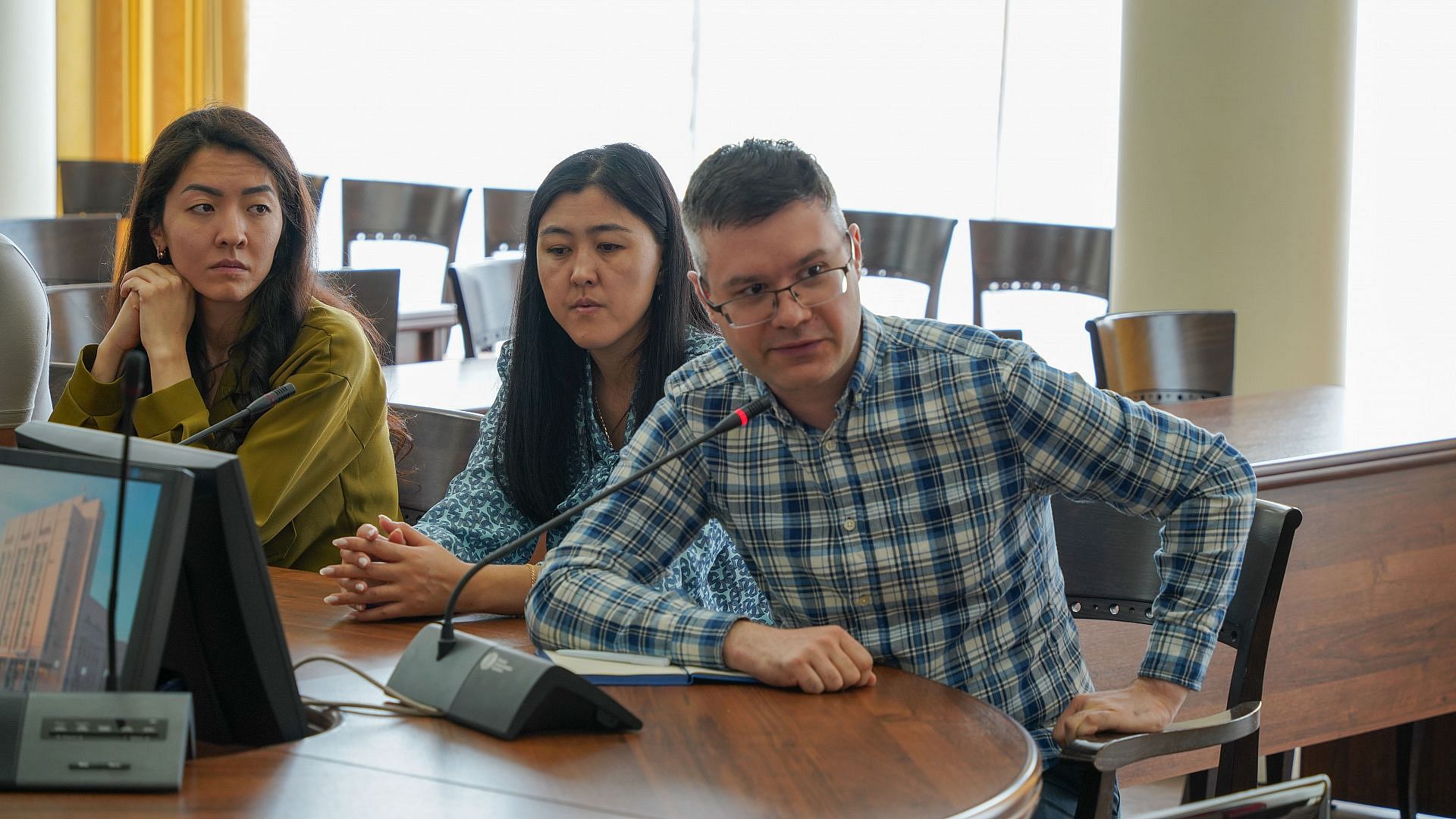
During the event, participants at the School engaged in vibrant discussions about the ways and possibilities of international interuniversity cooperation.
Experts from the REC for Altaic and Turkic Studies “The Greater Altai” delivered lectures on the topics of international scientific and educational partnerships. Director of the Center, Professor Yulia Lysenko highlighted initiatives and achievements of the Center and expressed optimism for the development of collaborations with the universities of the School’s participants. Additionally, Professor Sergei Grushin from the Department of History and Ethnography of Altai State University spoke about his experience of participating in international archaeological expeditions, the Museum of Archeology and Ethnography of Altai, and the virtual museum “The Greater Altai – the ancestral home of the Turks.”
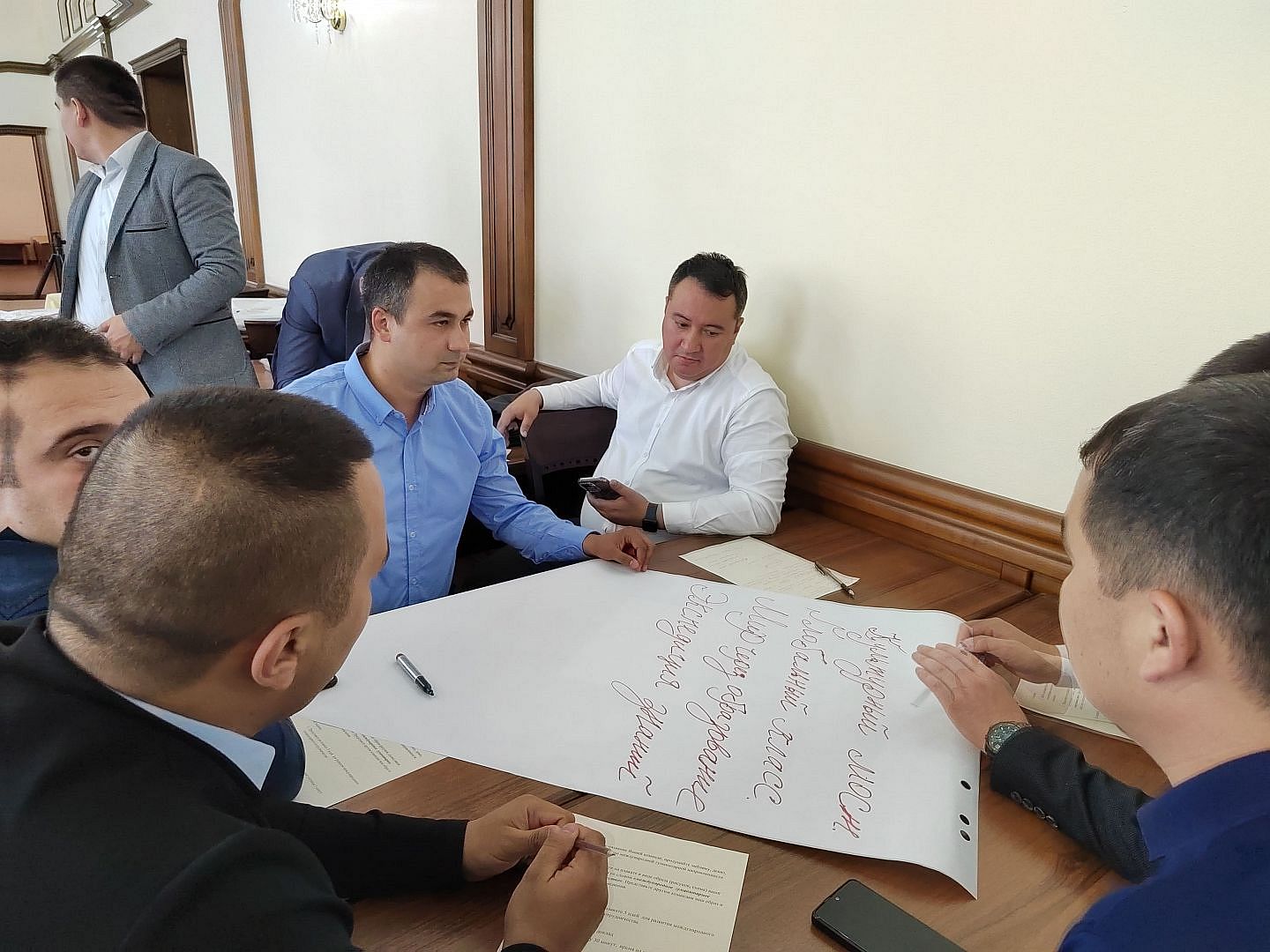
In a workshop session overseen by Svetlana Glushanina, Head of the Department of International Educational Programs and Academic Mobility of ASU, young leaders, were divided into three teams to conceptualize names, logos and priority focus areas. Each team eventually presented and defended its project in the field of international humanitarian cooperation. They discussed their goals, objectives, advantages, limitations, and opportunities for implementation.
The projects covered the following areas:
• “Comfortable life” – creating conditions for the full integration of people with disabilities, ensuring a barrier-free environment in education and vocational training;
• “Incollab” – the creation of inclusive education laboratories at universities to research and promote the best practices of inclusive education in Asian countries in order to improve the educational system and society as a whole;
• “Global Classroom” – the creation of an international multilingual online platform for lectures and seminars that will unite students and teachers to jointly study and broaden their knowledge of humanities.
At the end of the productive day, young leaders of Asian countries attended the inter-university Festival of National Cultures, where they tasted diverse national dishes and enjoyed a festive concert.
As a result of the work of the School, an agreement was reached on further mutually beneficial cooperation between Altai State University and universities in Central Asia and Mongolia.
Active participants in the project will be included in the pool of foreign experts of the Association of Asian Universities and the REC “The Greater Altai.” It enables them to sign cooperation agreements with new foreign partners and resource centers.
Anatoly Pavlenko, a senior lecturer (The Sarsen Amanzholov East Kazakhstan University, Kazakhstan):
– I believe that when developing a project, you need to be able to focus your idea on the most important aspects. It’s highly advantageous that we convened here today and everyone worked as a team. Speakers were chosen, and each team member made a valuable contribution. I want to say thank you very much to the teams for the captivating projects they put forward.
Nona Barkhudaryan, assistant director of the Institute of Oriental Studies, lecturer (Russian-Armenian University, Armenia).
– I would like to express my gratitude to the organizers for providing the opportunity to participate in this project. It is important for us to emphasize the positive aspects, and not seek out the negative ones; it is important to be more tolerant of each other. This is exactly the core principle at the heart of cooperation between our countries, despite the presence of cultural and religious differences.
Azizkhon Rakhmonov, Professor of the Department of Russian Language and Teaching Methodology (Uzbek State University of World Languages).
– I would like to thank all the participants at the School. I really believe that we will take everything that has been created today with us to our countries and will definitely integrate it. There is a quote: “Once an idea is born, it never dies.” So, the idea was born today. Maybe in a year or two, maybe in five years, but I believe that each of us will implement it.
Nursultan Korgonbaev, chief specialist of the Department of International Relations (Batken State University, Kyrgyzstan).
– I would like to thank the organizers for the invitation and warm welcome. The trip proved to be highly productive. It was a pleasure to explore Altai and see the Altai mountains. I really enjoyed every aspect, received abundance of good emotions and impressions. In addition, we plan to launch a double-degree program as part of the project. We also hope for cooperation in the field of archeology and ethnography. I would love to come to Altai again.