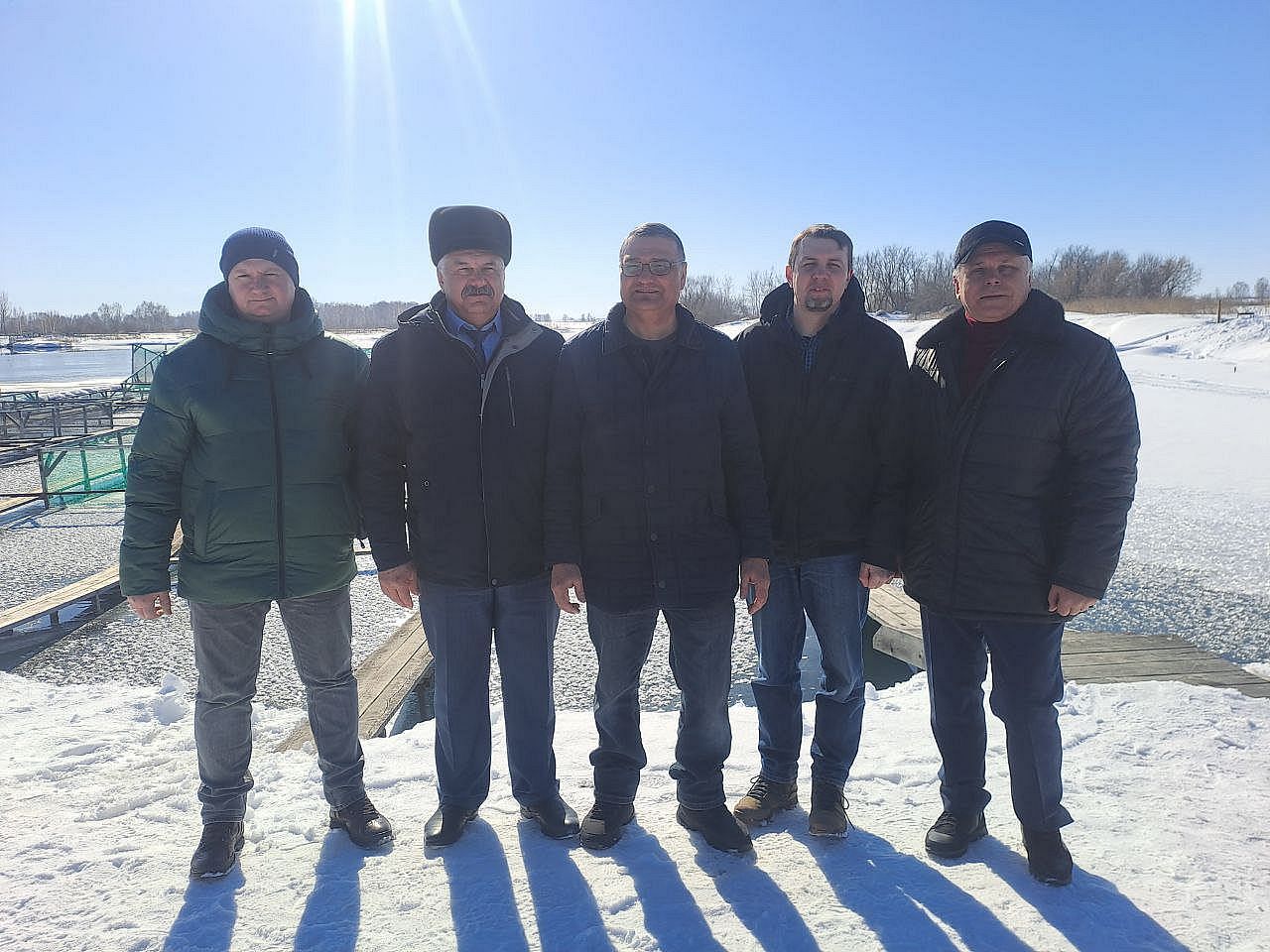
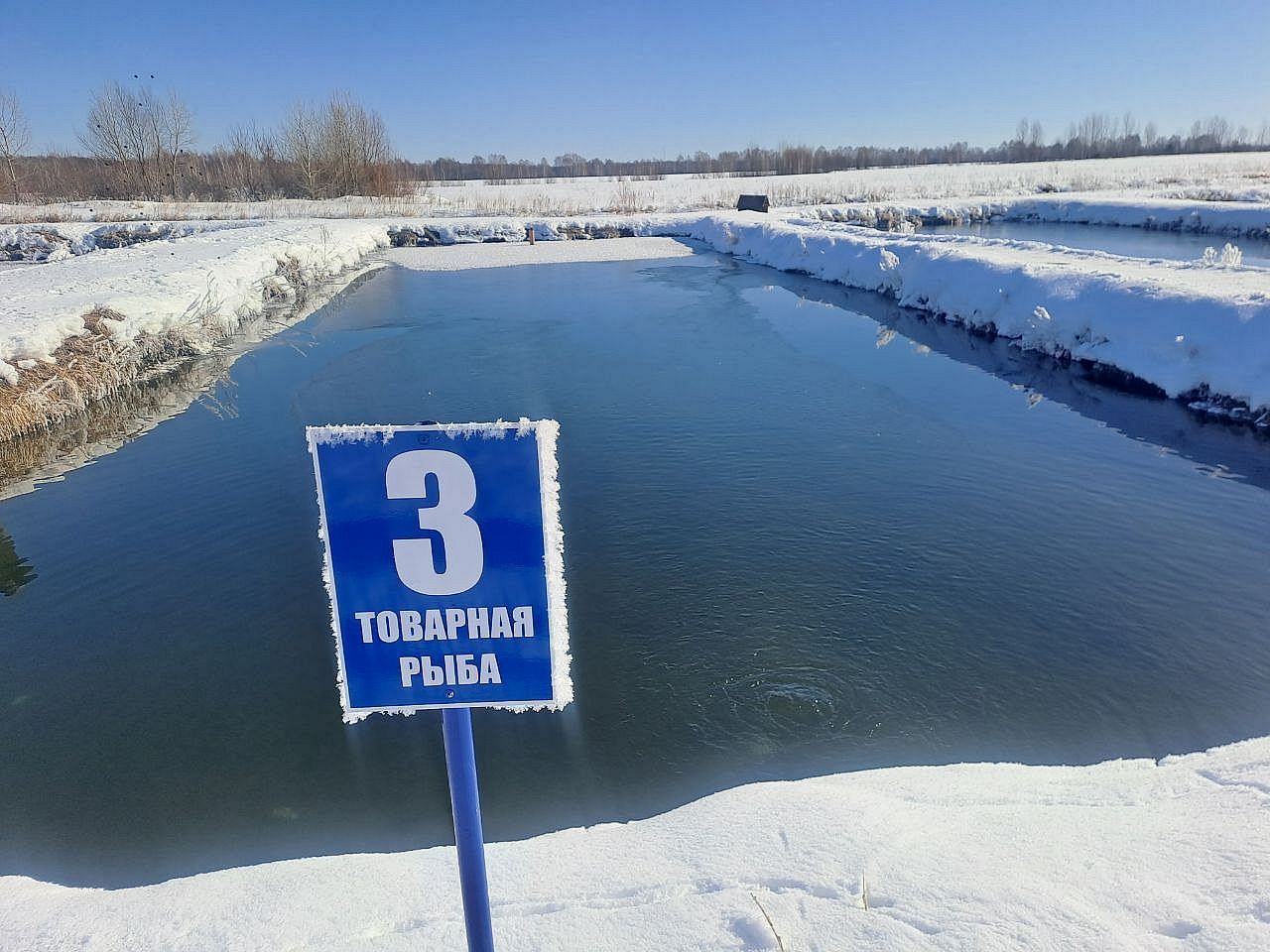
On March 17, the fish hatchery of the STK – "Altaiforel" (Altai Krai, Sovetsky District, Karasuk village) hosted a press tour of journalists from Altai Krai.
The press tour was organized by the Altai Krai Department for Food, Processing, Pharmaceutical Industry and Biotechnology and Altai State University.






Altai State University research teams have repeatedly won grants from the Governor of Altai Krai for developing breakthrough technologies, creating innovative products and services in food processing and production, pharmaceutical production, and biotechnology. Journalists had a chance to observe first-hand the implementation of advanced scientific innovations in actual production environments.
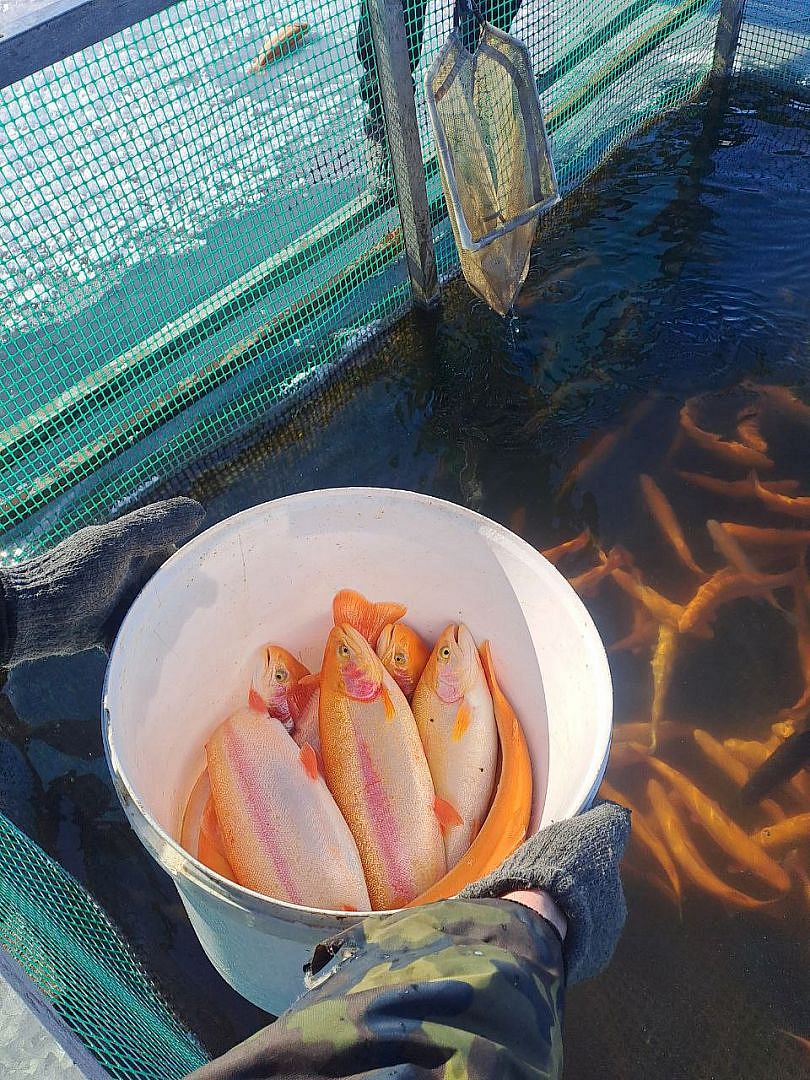
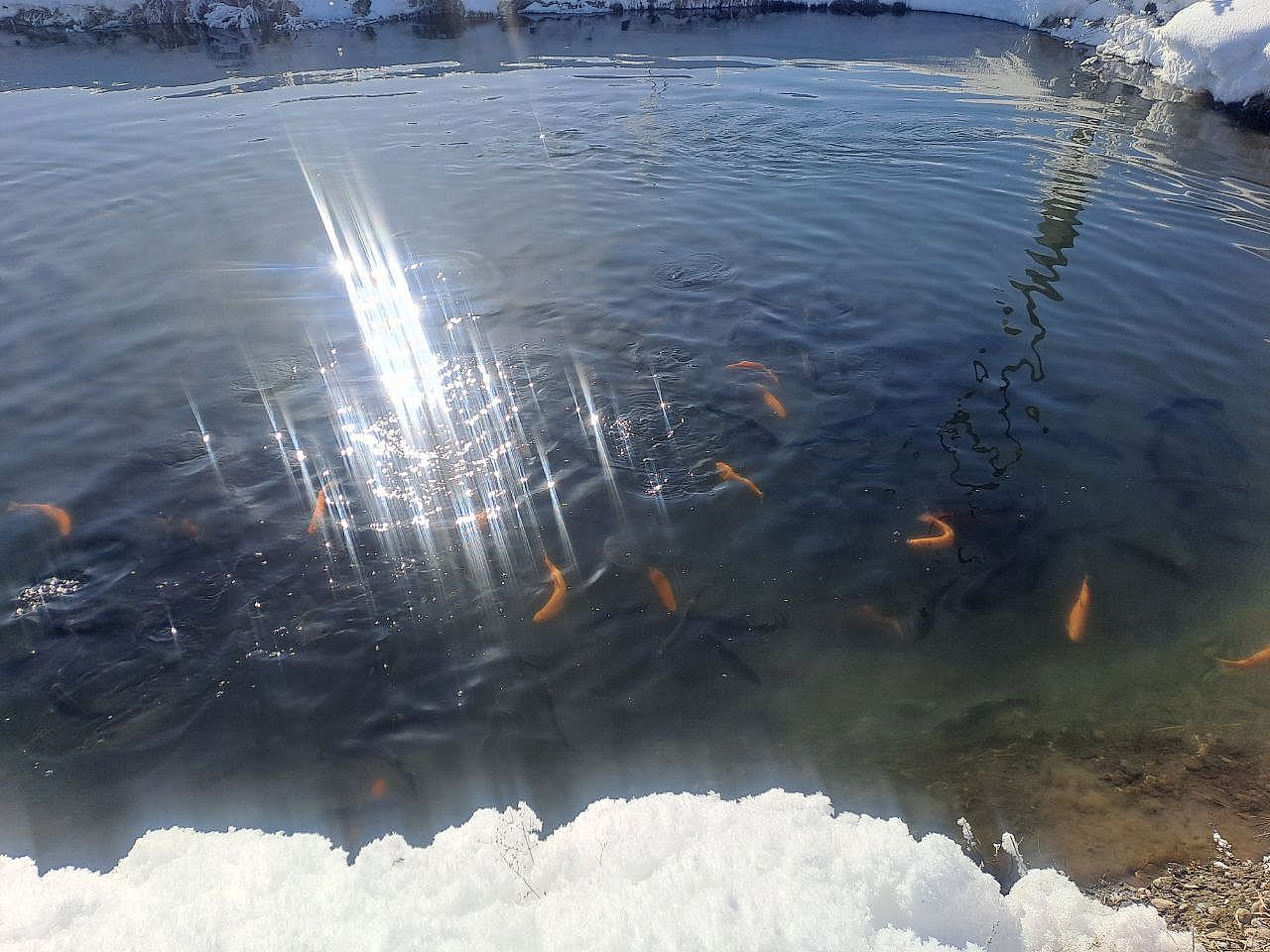
The fish farm in the village of Karasuk has become a pioneering site for testing a novel biological additive to fish feed. Since 2021, Altai State University has been collaborating with the STK fish hatchery. Researchers from the Center for Recombinant Technologies of ASU have developed a yeast strain capable of producing astaxanthin, a carotenoid with strong antioxidant properties. Using this strain as an additive to compound feed can significantly enhance fish growth efficiency: fish gains weight more rapidly and exhibit increased resistance to infectious diseases, which is crucial for controlled aquaculture environments. Astaxanthin-enriched fish offers health benefits for humans by boosting the immune system, lowering cholesterol, and possessing anti-inflammatory properties. It also has a natural pink meat color, since the additive is a natural carotenoid, not a chemical dye.
The development of the technology for cultivating the producer strain and producing a pilot batch was carried out by the team of the engineering center "Prombiotech" of Altai State University. This collaboration between the University’s scientific departments enabled the rapid integration of the additive into practical production.
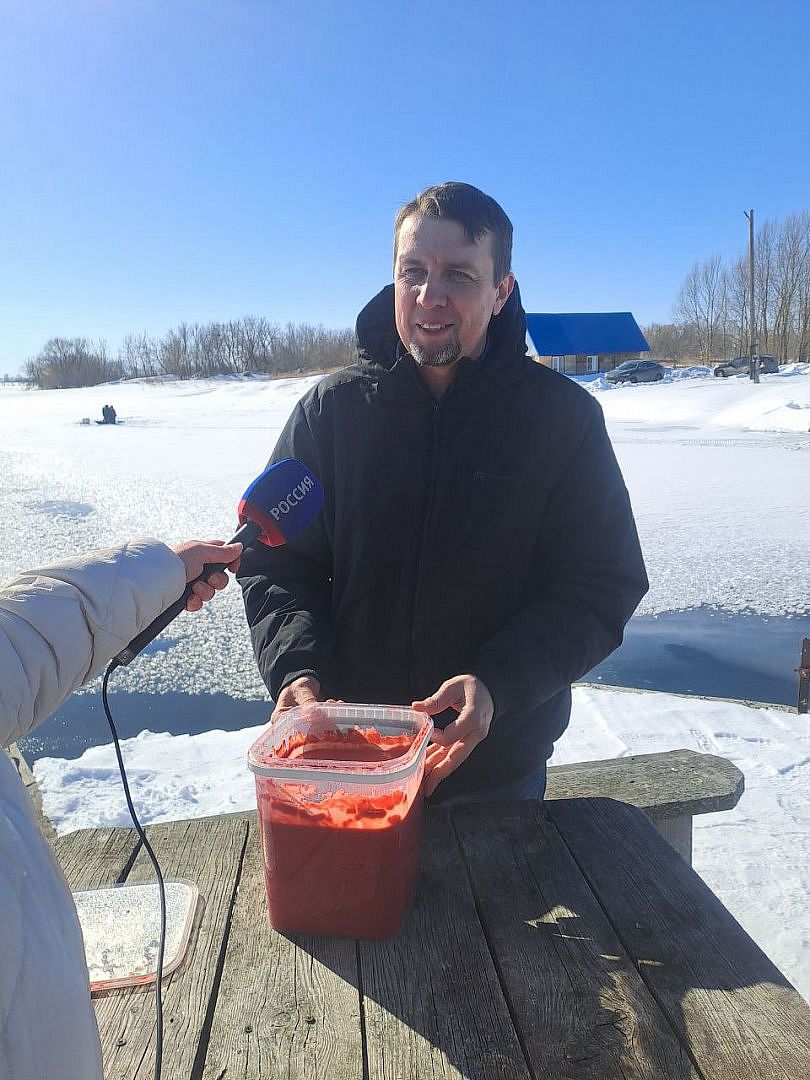
Sergey Lukin, Head of the farm, noted:
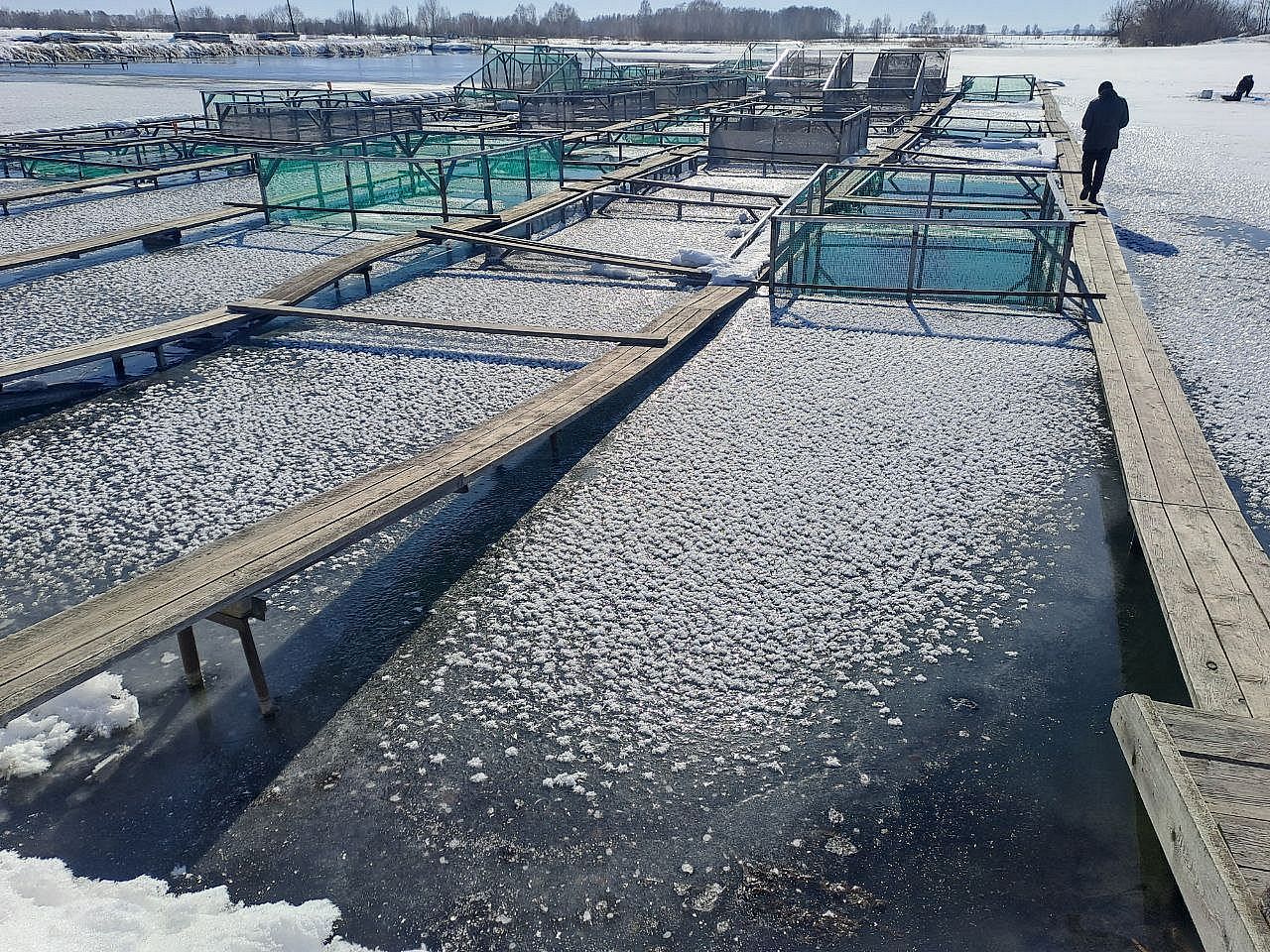
- Our nursery, with over 30 years of history, focused on growing carp but now specializes in breeding trout and sturgeon. We sell both fry and commercial fish. Our current output is modest yet, ranging from 20 to 30 tons annually. It takes at least two years to grow fish from eggs to a commercial appearance. Researchers from Altai State University approached us with a proposal to test astaxanthin as a feed additive. This natural substance enhances the color of fish meat, giving it a natural salmon hue. It also boosts trout growth and strengthens their immunity against diseases. We were attracted by its natural origin, avoiding artificial dyes. For the scientific experiment, we allocated three cages – a structure used to keep fish in a separate fenced section of the pond – and tested the feed additive over several years. We got promising results. We are ready to continue our collaboration and utilize astaxanthin in our fish production.
Dmitry Shcherbakov, Director of the Altai State University Research Institute of Biomedicine, adds:
- Astaxanthin is a biotechnological product. In the West, most astaxanthin is produced using algae. For our region, this is a fairly expensive raw material. But we have set a course for import substitution and, employing metabolic engineering techniques to develop (experiments in which we alter the metabolic chain inside yeast to achieve the synthesis of a certain substance), we have obtained a yeast producer of astaxanthin, which has had a positive effect on the cost of the supplement. Our research continues, and we are ready to collaborate with fish feed manufacturers.