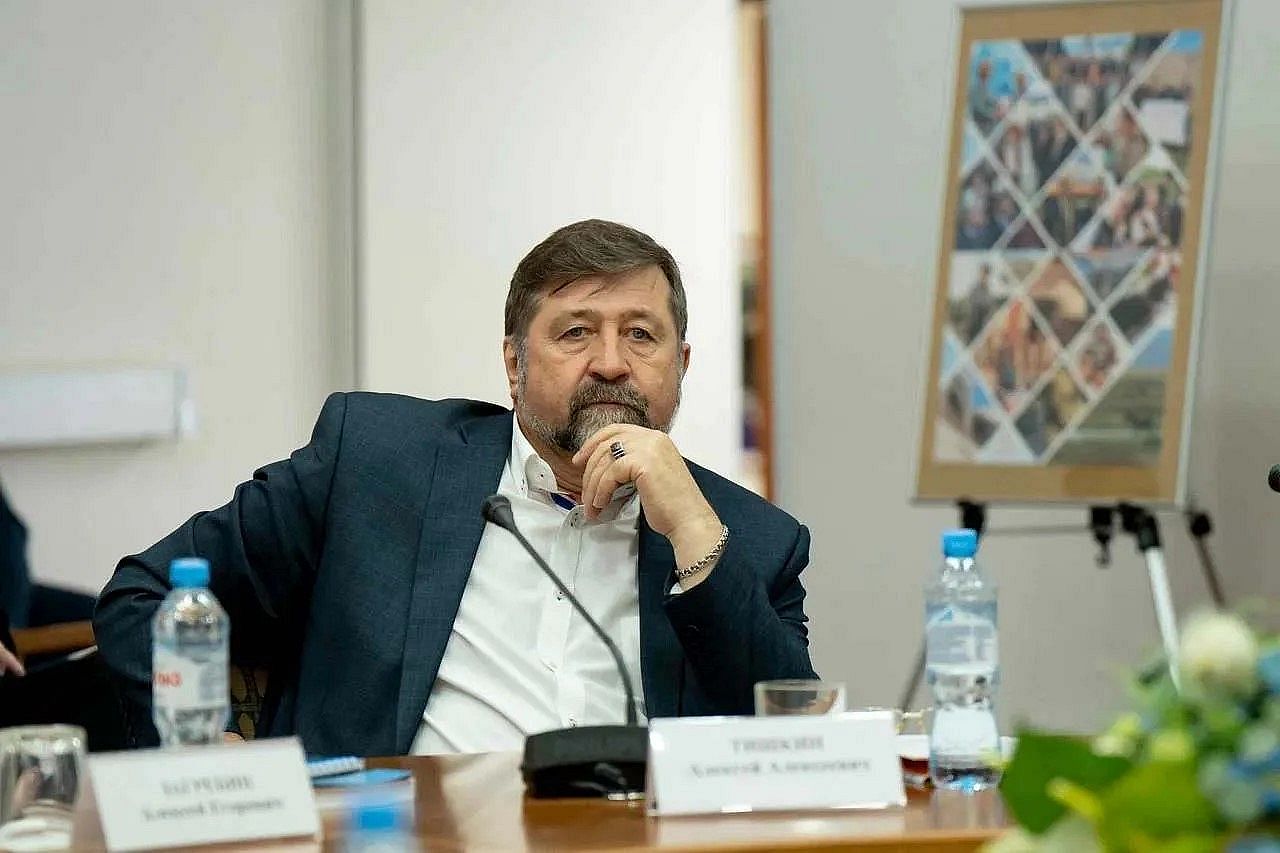
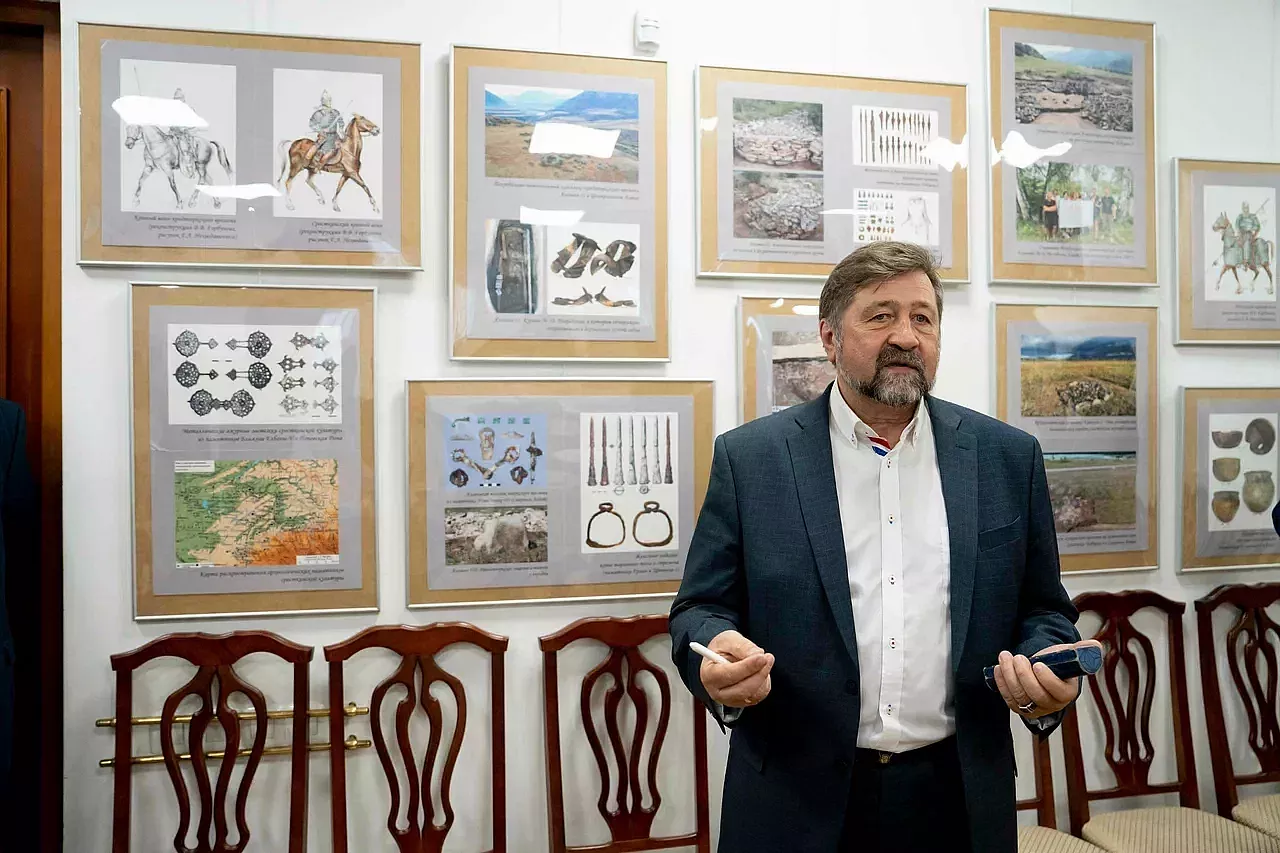
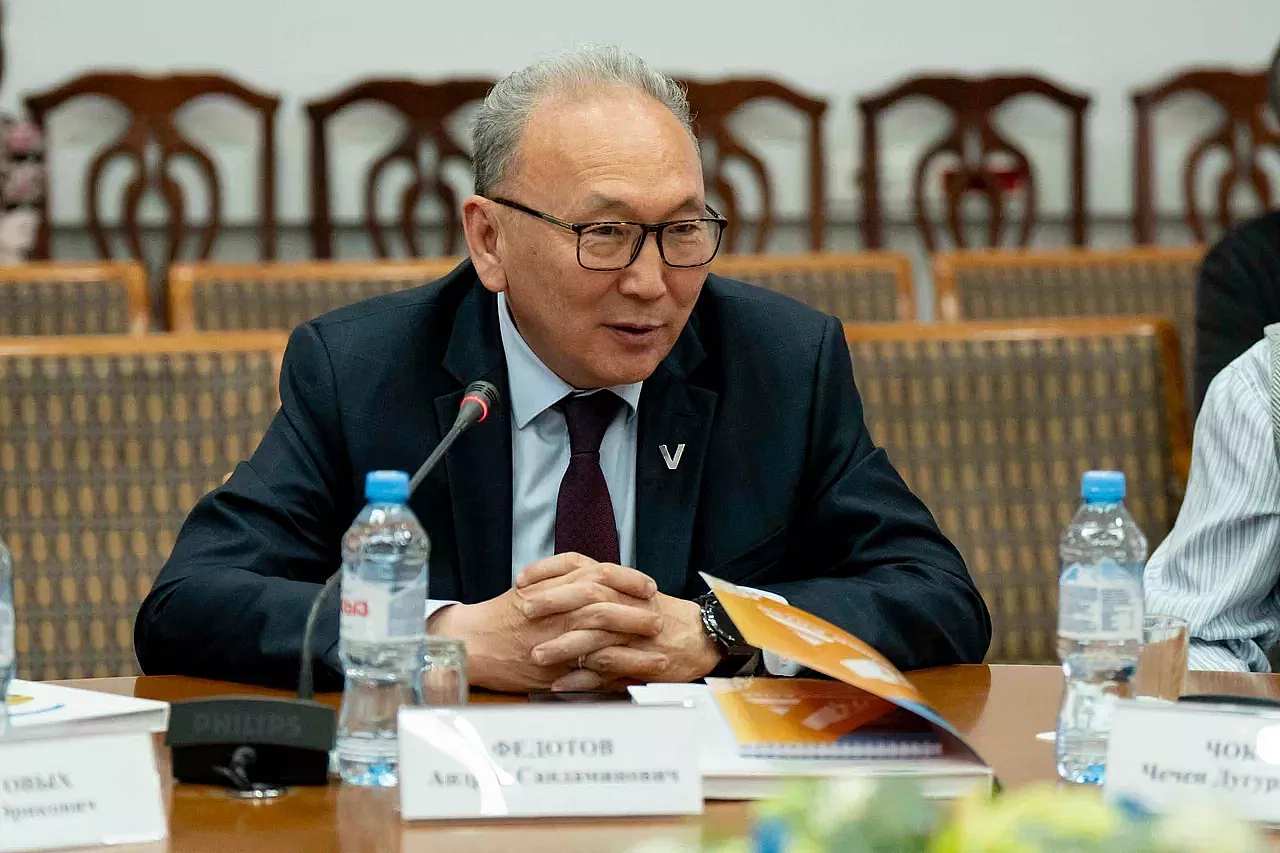
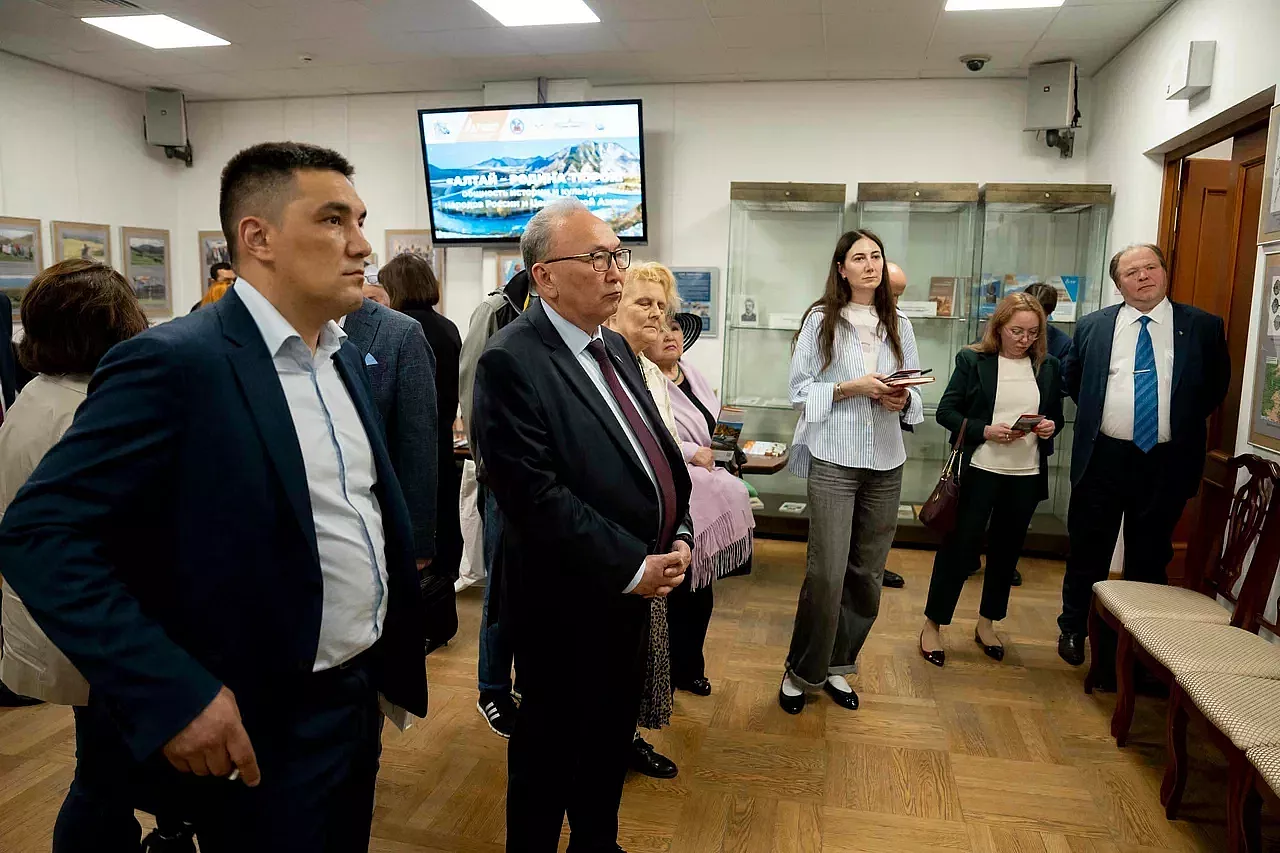
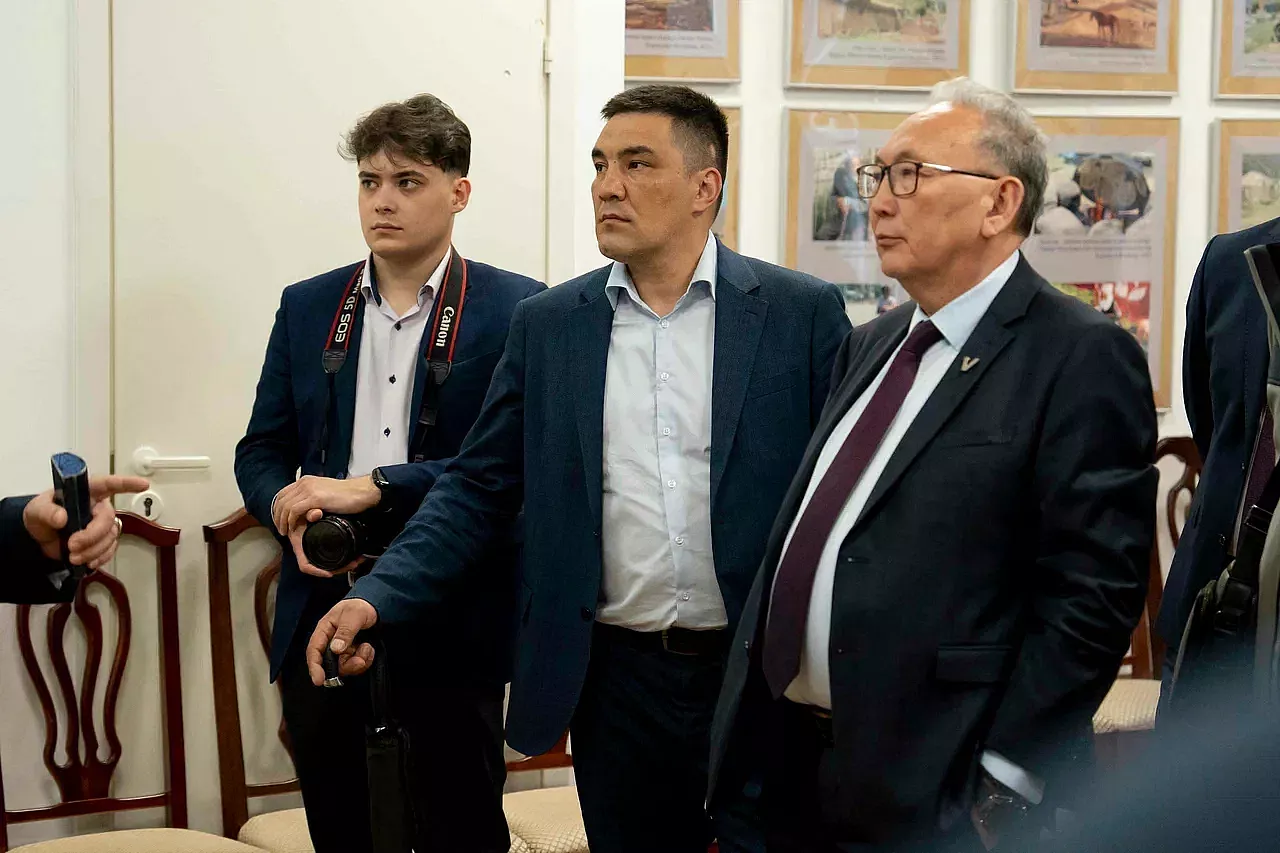
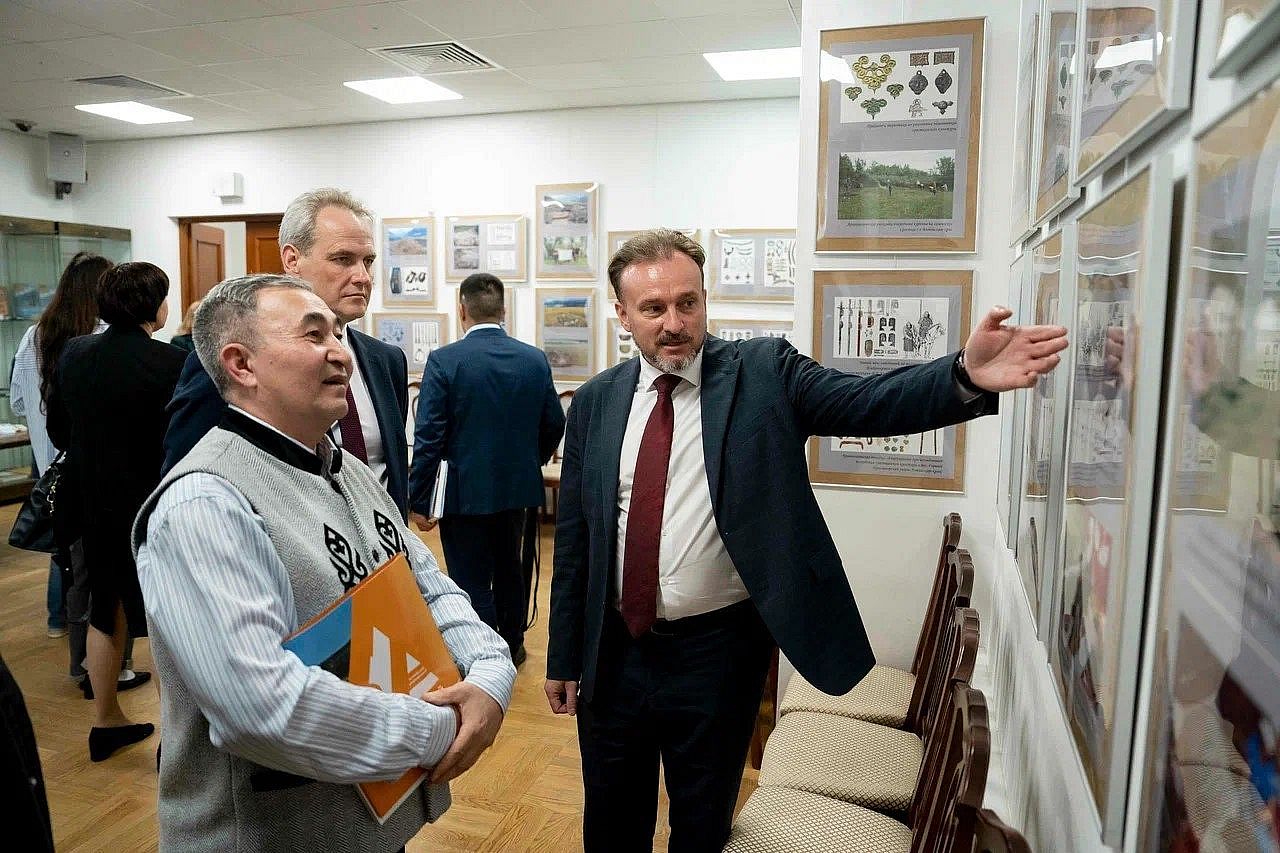
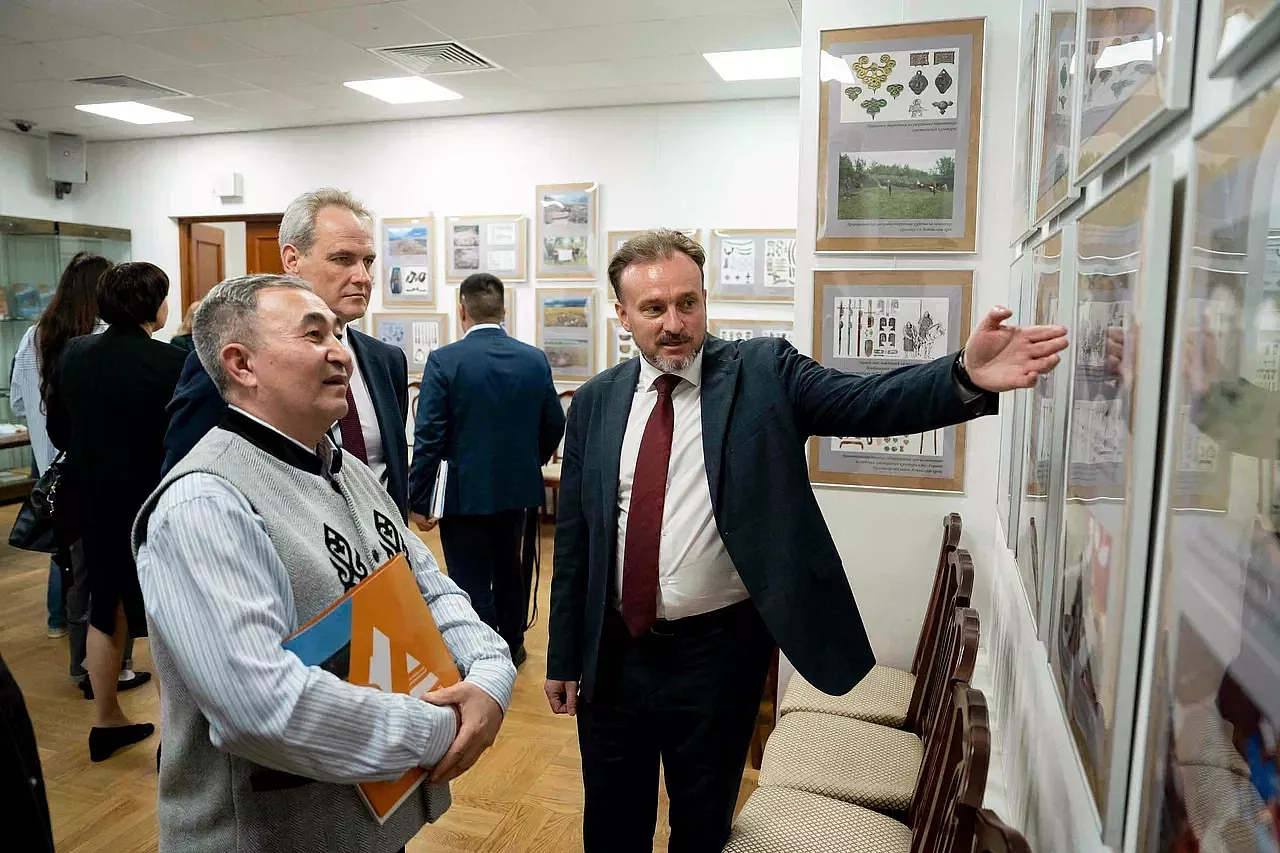
Altai State University continued its series of events in Moscow, presenting the results of the international scientific and educational project The Greater Altai. On May 25, the Moscow House of Nationalities hosted a roundtable discussion titled Altai – the Homeland of the Turks: The Unity of History and Culture of the Peoples of Russia and Central Asia. This round table was the concluding event of a photo exhibition that has been on display in Moscow since May 12.
"We Are One Civilization"
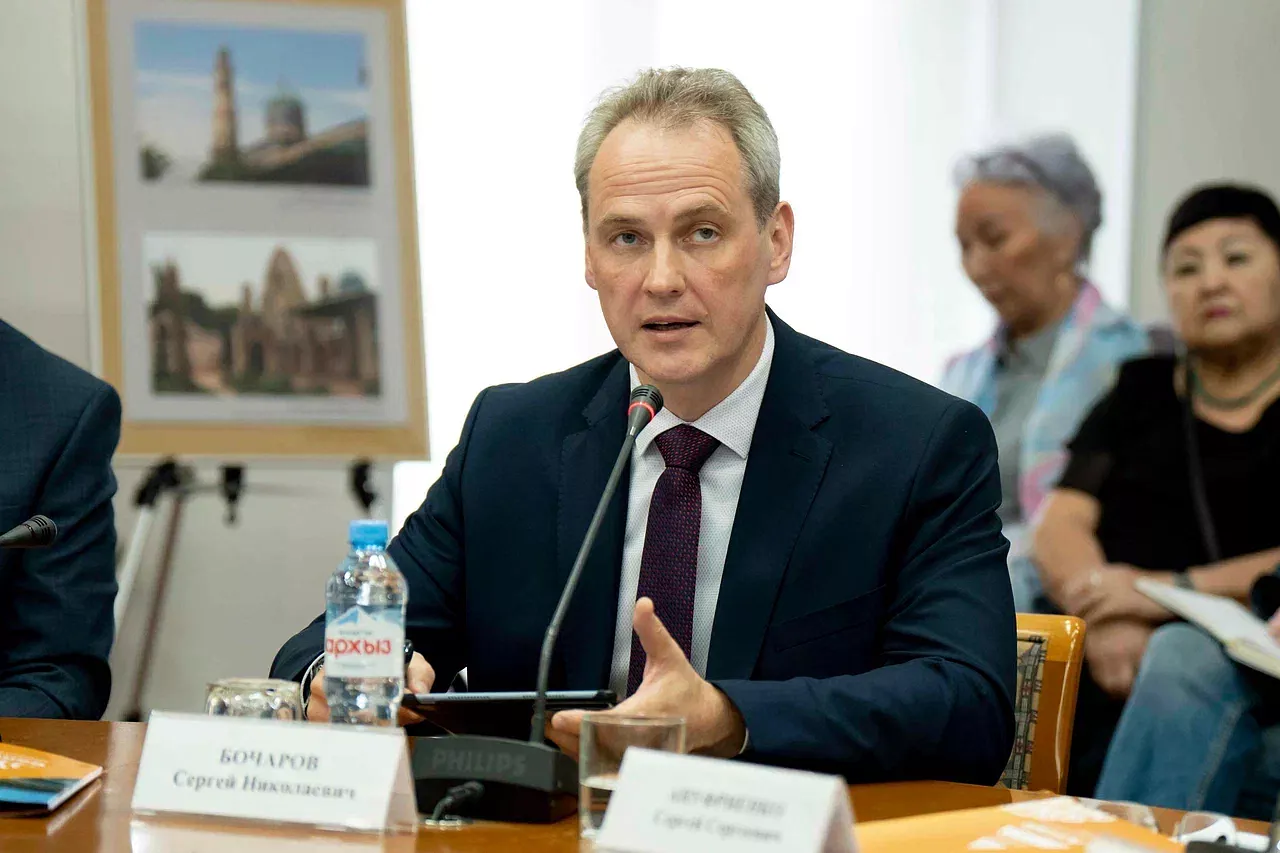
The Altai State University delegation was led by Rector Sergei Bocharov. In his opening remarks he noted:
"Our roundtable is dedicated to Turkic heritage. This topic is one of the university's strategic priorities. This initiative began over 20 years ago in projects by our historians, archaeologists, and ethnographers who conducted research in the Altai Mountains. Owing to strong interest from our partners, Altai State University launched a dedicated integrated international project in 2019 with support from the Russian Ministry of Education and Science. Time has shown this to be the right. Turkic heritage remains an inexhaustible source of new topics at the intersection of history and modernity."
Deputy Minister of Science and Higher Education of the Russian Federation Konstantin Mogilevsky also highlighted the project’s significance in a video address. He said, in particular:

"Since the first contacts between the Slavic and Turkic peoples, who emerged on the historical stage almost simultaneously, an intense, mutually enriching dialogue has been underway. This is reflected in numerous linguistic borrowings and the similarities between many of our customs and traditions. The contribution of the Turkic peoples to the formation of Russian civilization is undisputable. Today, Russia is among the world's largest countries by Turkic-speaking population. Within our territory, there are more than 20 linguistic ethnic groups, totaling over 10.5 million people.
The photo exhibition initially received wide support from government bodies. In February it was first officially presented at the Altai Krai Representative Office in Moscow. Then, at the initiative of the representative office's head, Nikolai Borisenko, the exhibition was moved to the Moscow House of Nationalities. This signaled a heightened level of interest in the Greater Altai region and the exhibition. Therefore, on May 25, the roundtable drew attendees from the Russian Ministry of Education and Science, the Russian Ministry of Foreign Affairs, Rossotrudnichestvo, the Moscow Government, the Altai Krai Government, diplomatic missions from several Central Asian states, and many other organizations.
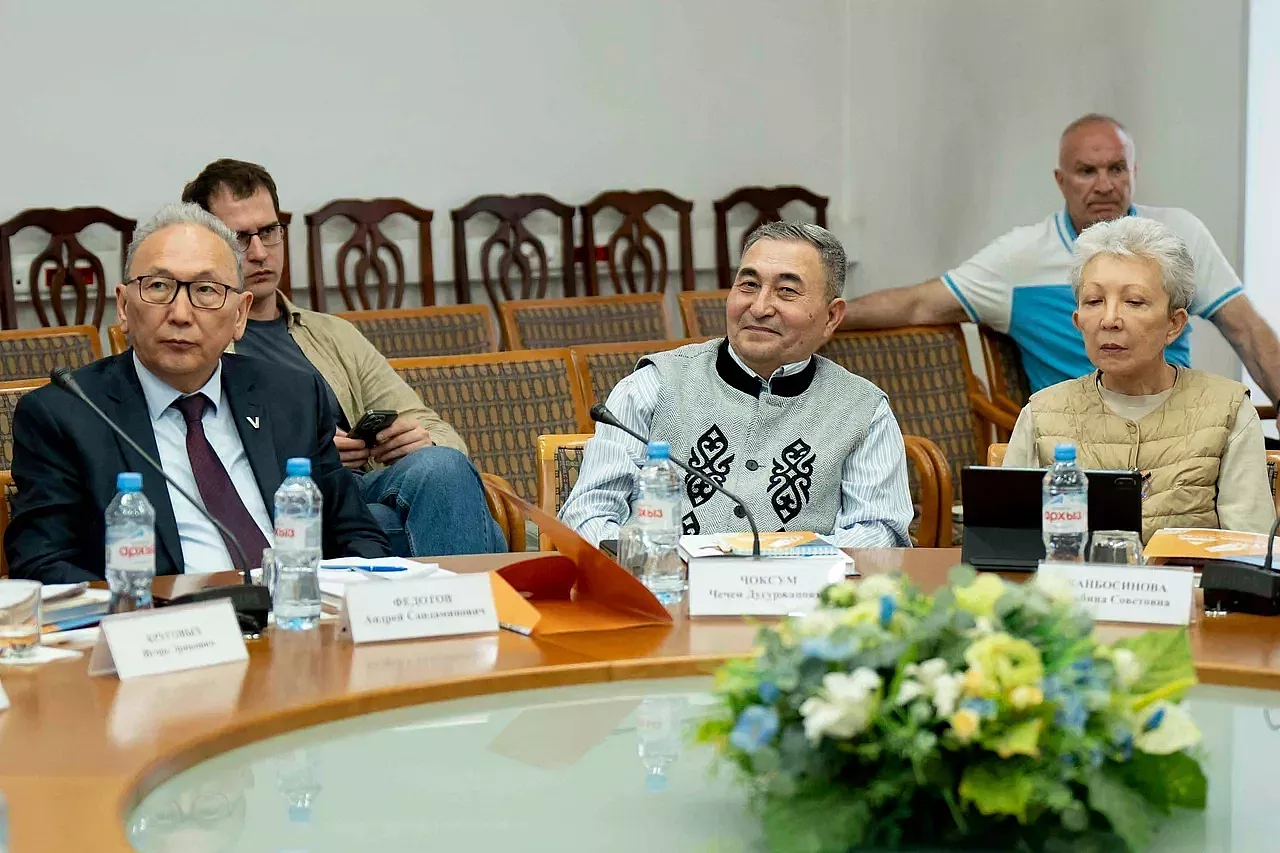
Igor Krugovykh, head of the Moscow branch of the all-Russian public organization Assembly of the Peoples of Russia, noted:

"There is no need to build relations between Russian and Turkic peoples, because we have lived together for centuries. We are one civilization. For us, these ties are not relations with others but interaction within a single, shared, in our case, Moscow multinational community. We share common joys, common sorrows, and common problems. And we resolve everything together."
Understanding Russian History
Speakers at the roundtable underscored the tangible effectiveness of the Greater Altai project. Officials, scientists, and public figures highlighted its role in fostering a civilized dialogue among states and peoples.
Valery Usachev, Deputy Chairman of the Altai Krai Government, emphasized that the scientists' work is "painstaking" but crucial:

"Since 2019, researchers from Altai State University, based at the established Greater Altai Research and Educational Center for Altaic and Turkic Studies, have been implementing large-scale interdisciplinary projects, archaeological and ethnographic fieldwork, conferences, and unique international expeditions. This represents only part of the extensive, painstaking work that scientific communities across many Eurasian states undertake day after day. The efforts of The Greater Altai’s scientists, educators, and leaders are directed at strengthening existing ties between regions and launching new mutually beneficial initiatives."
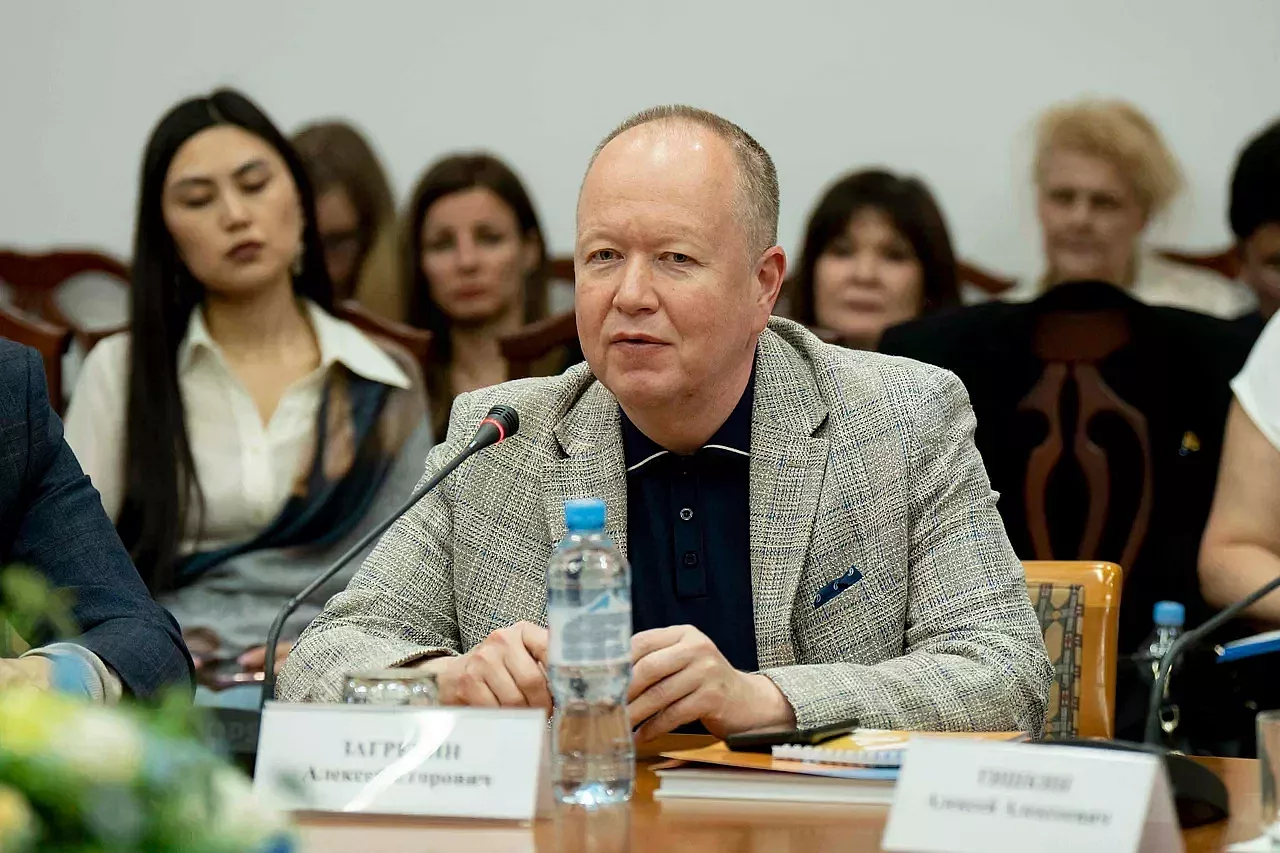
Alexey Zagrebin, Director of the Institute of Ethnology and Anthropology of the Russian Academy of Sciences, noted that studying the history of the Turkic peoples deepens our understanding of Russian history:
"The major archaeological and ethnographic research into our country did not begin yesterday. It is fair to say that the study of Russia's cultural diversity started in the 18th century. Research conducted in southern Siberia and the Altai Mountains during that period laid the groundwork for the scientific knowledge now advanced by The Greater Altai Research and Educational Center, which has brought together dozens of research teams. This integrative approach to ancient history helps us to view the history of our country from multiple perspectives while keeping it within a unified framework."
State Duma Deputy from Altai Krai, Alexander Terentyev, also took part in the debate.

Sergey Bocharov outlined the integrated activities of the Greater Altai Research and Educational Center. He highlighted projects such as the Altaic Forum, the Chronicle of Turkic Civilization, the Greater Altai Virtual Museum, archaeological and ethnographic expeditions, and other educational and outreach events. The rector emphasized that the projects would not have been possible without the involvement of Russian and international partners.
"Today, the Greater Altai Research and Educational Center is a large international consortium that brings together leading scholars and experts from many countries. The consortium currently includes 28 Russian organizations from Moscow, Barnaul, Gorno-Altaisk, Abakan, Kyzyl, Omsk, Tomsk, Novosibirsk, and Kazan, as well as 26 foreign universities, research institutes, and museum from Kazakhstan, Kyrgyzstan, Uzbekistan, Tajikistan, and China. To expand our network, we also opened representative centers in Samarkand, Bishkek, and Osh. Joint expeditions are organized through these centers."
Visual Confirmation
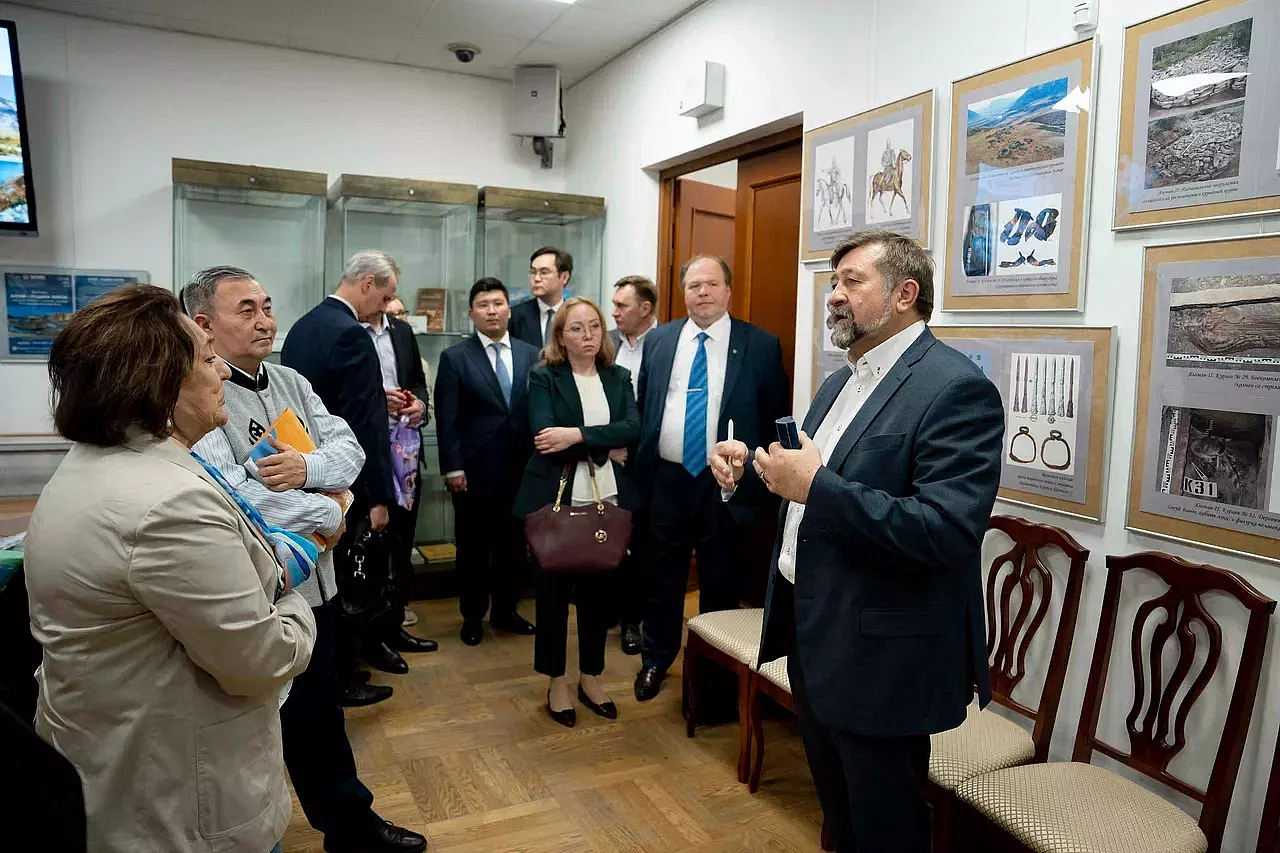
At the close of the roundtable, Altai State University researchers presented photographs from their archaeological and ethnographic expeditions conducted between 2021 to 2025. Professor Alexey Tishkin, Doctor of Historical Sciences, and Ivan Nazarov, Director of the Institute of History and International Relations (IHIIR), guided attendees through the display.
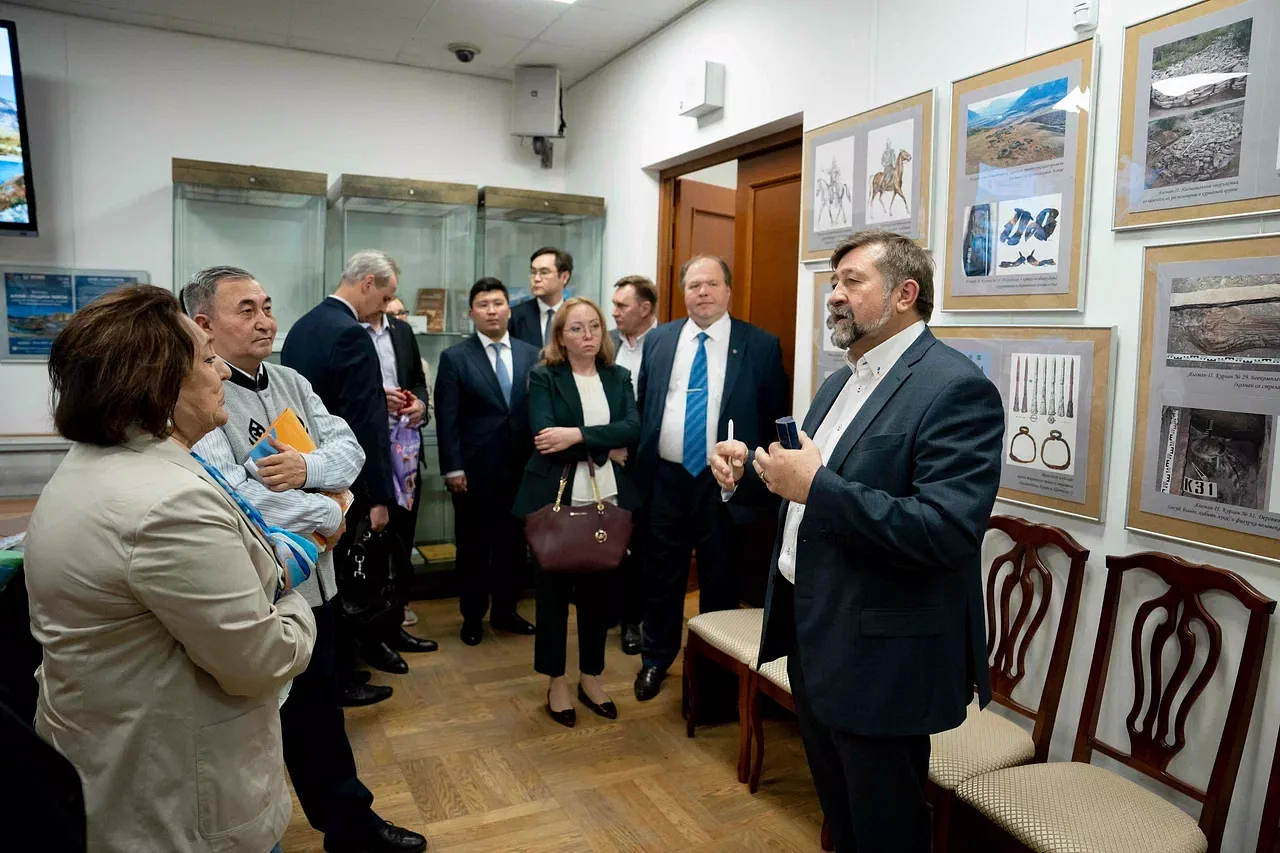
At the end of the presentation, representatives of the Russian Ministry of Foreign Affairs and several Russian regions proposed taking the exhibition to other countries and Russian cities. Guests from Yakutia are already prepared to host it first, and preliminary agreements to continue the project have been reached with Bishkek.
Alexey Tishkin and Ivan Nazarov answered numerous questions from the roundtable participants and outlined their expedition plans for 2026. They repeatedly emphasized that archaeological sites and ethnographic finds are inexhaustible. Further exploration should bring together scientists from different countries. The activities of the Greater Altai Research and Educational Center continue.