The Altai State University Museum of Archaeology and Ethnography has opened a new exhibition titled Discoverer of Ancient Altai Cultures, dedicated to the 80th anniversary of Yuri Kiryushin, founder of the Barnaul archaeological school. During Museum Night, visitors could also view an expanded traveling exhibition, First Miners and Metallurgists of Altai: From the Bronze Age to Akinfiy Demidov. Yaroslav Frolov, Candidate of Historical Sciences, and a leading specialist at the Greater Altai Research and Educational Center for Altaic and Turkic Studies, provided further details.
Kiryushin's legacy
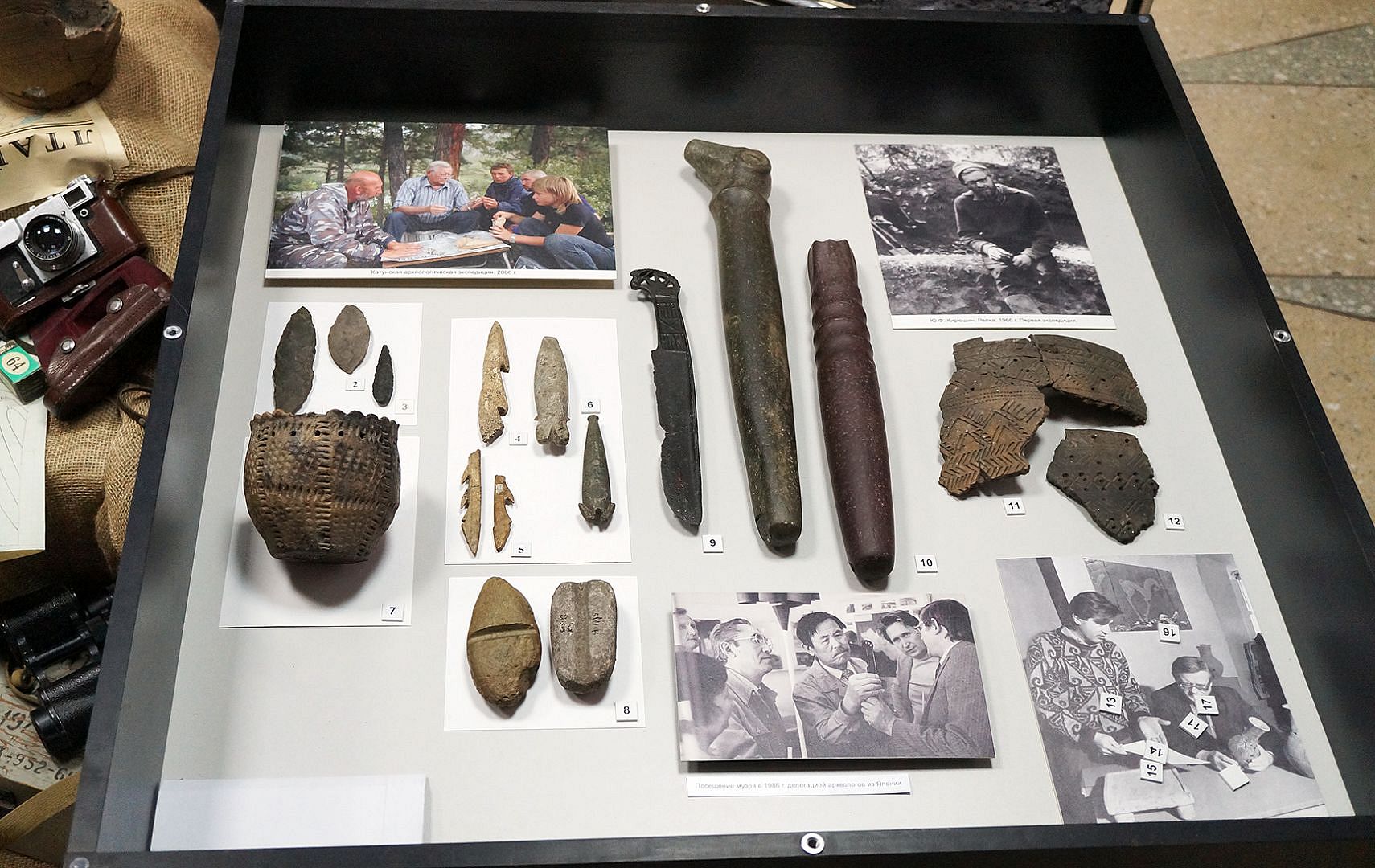
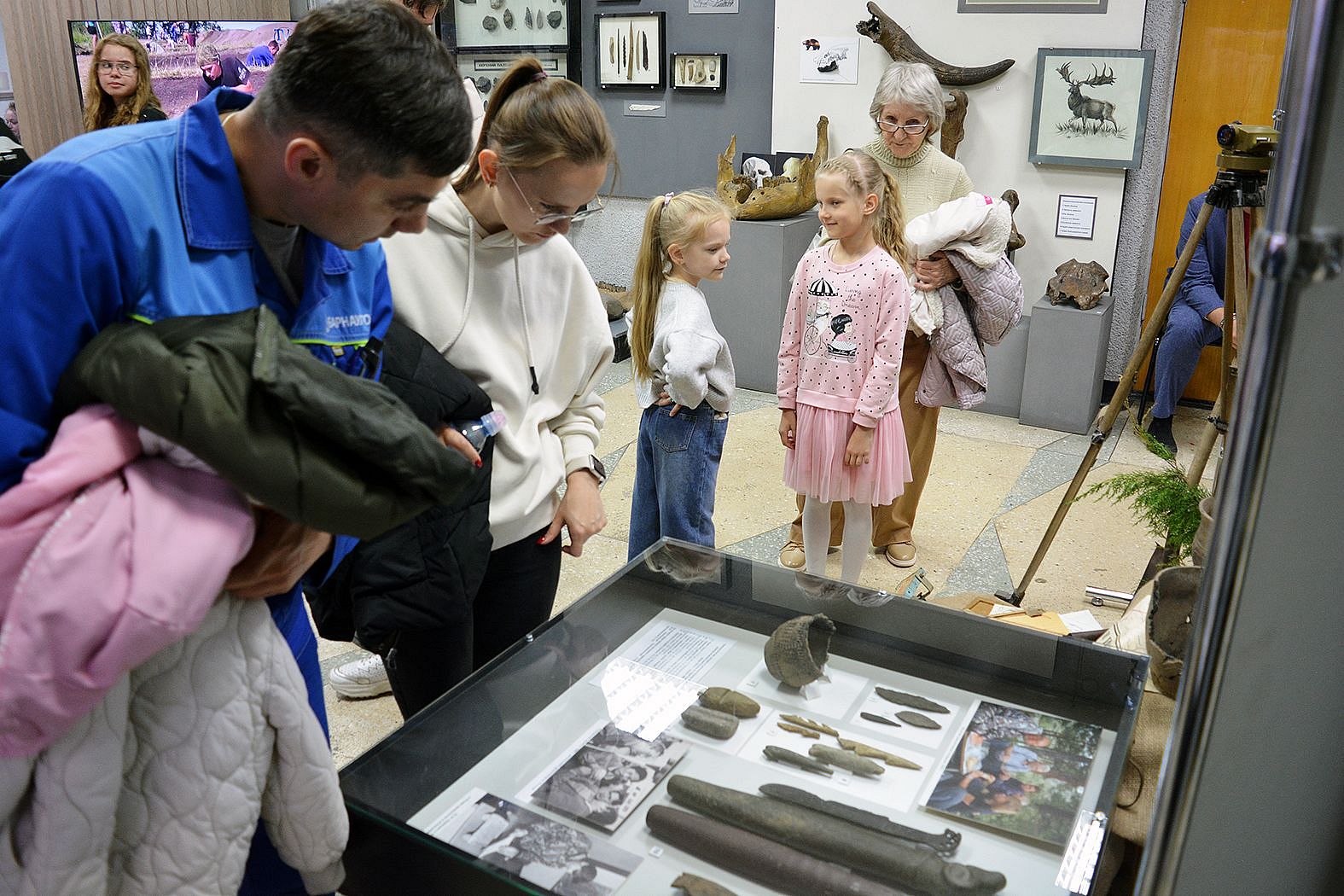
The exhibition honoring Yuri Kiryushin, the third rector of Altai State University and a professor and Doctor of Historical Sciences, opened on the eve of Museum Night. Its title, Discoverer of Altai Archaeological Cultures, reflects Kiryushin’s research, which made possible a comprehensive study of the Bronze Age in the forest-steppe Altai and neighbouring regions. The display includes materials from Kiryushin’s excavations in the 1970s and 1980s, presenting finds from the Bolshemyssk (Eneolithic), Elunino (late 3rd–early 2nd millennium BC), and Korchazhkino (Late Bronze Age, 14th–10th centuries BC) archaeological cultures—cultures first identified by Yuri Fedorovich himself.
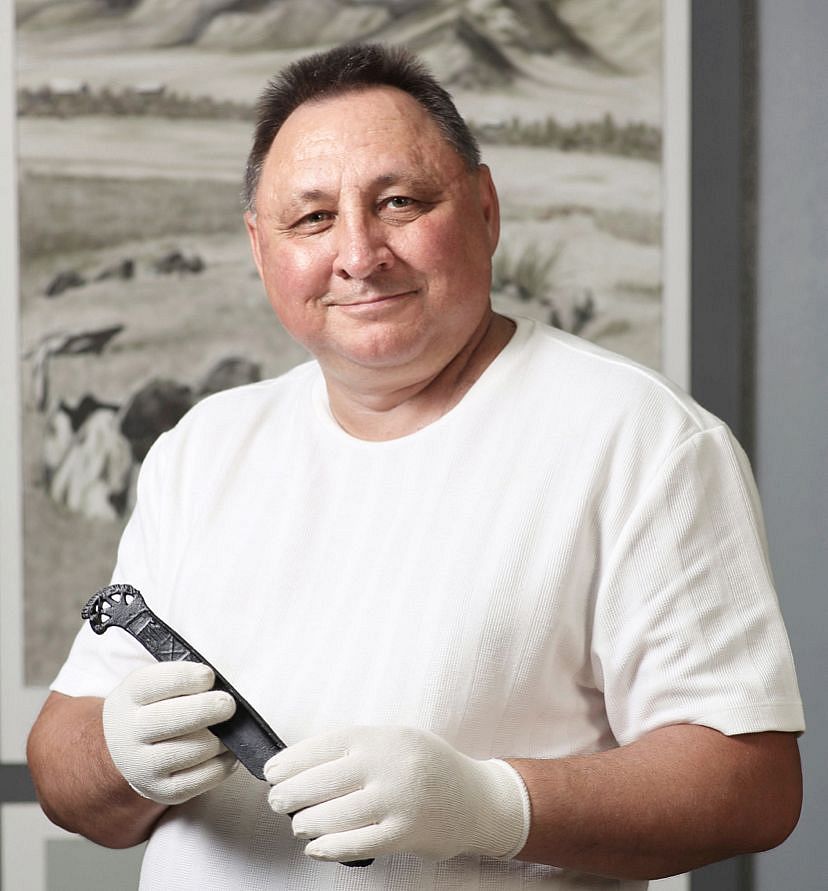
Among the museum’s most valuable exhibits is a bronze knife with a horse-head pommel, recovered from an Elunino burial ground. Dating to the late 3rd millennium BC, this rare object vividly illustrates the skill of the ancient inhabitants of Altai.
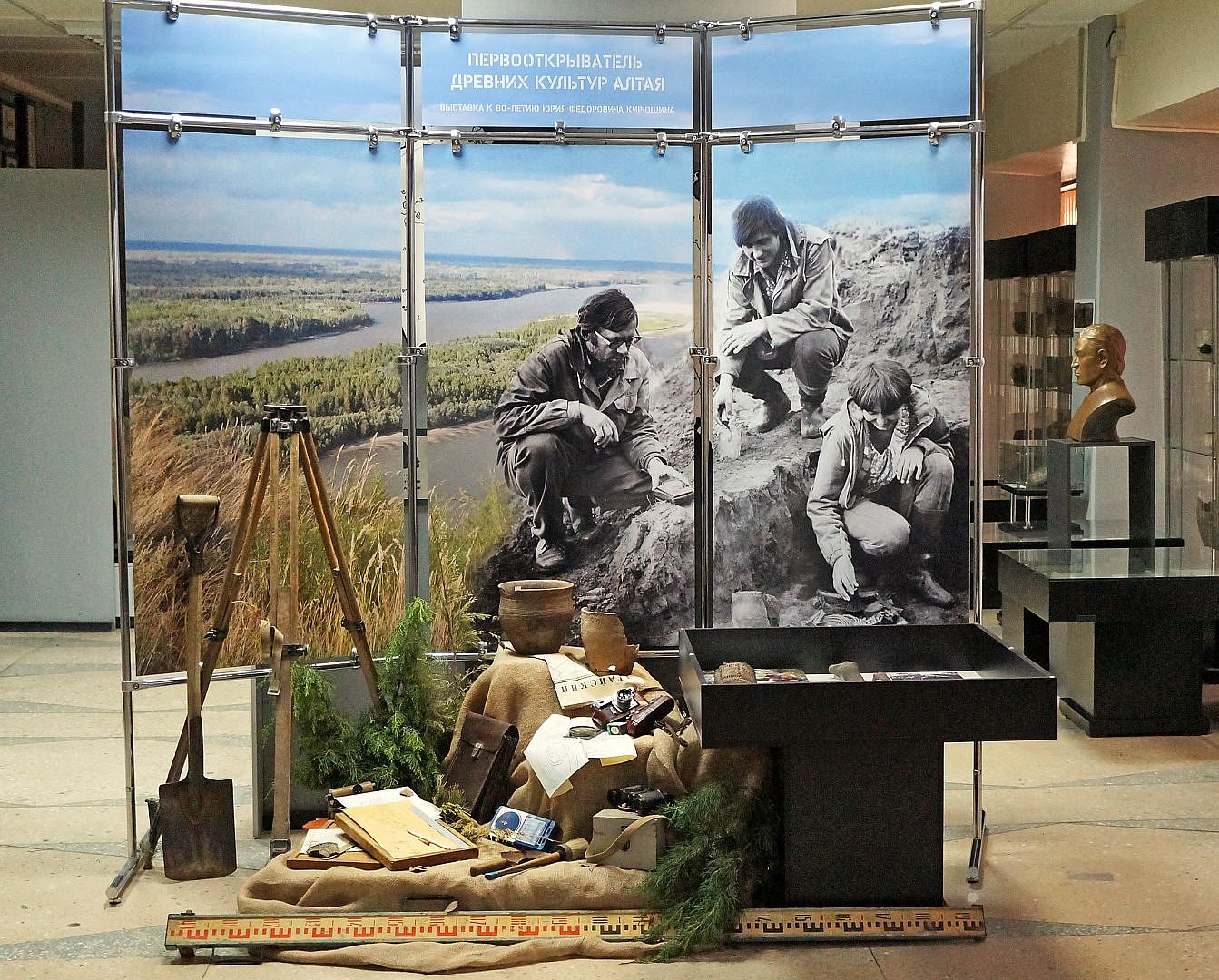
The exhibition banner pairs two photographs of the same site – the banks of the Ob River in Pavlovsky District. The left image captures the 1979 excavations at Yeluninsky burial ground No. 1, with Yuri Fedorovich and his students—many of whom became archaeologists. The right image, taken in 2025 from the same spot, depicts the contemporary floodplain of the Ob. This visual contrast of past and present highlights the continuity of Altai archaeological research and the enduring relevance of Yuri Kiryushin’s work.
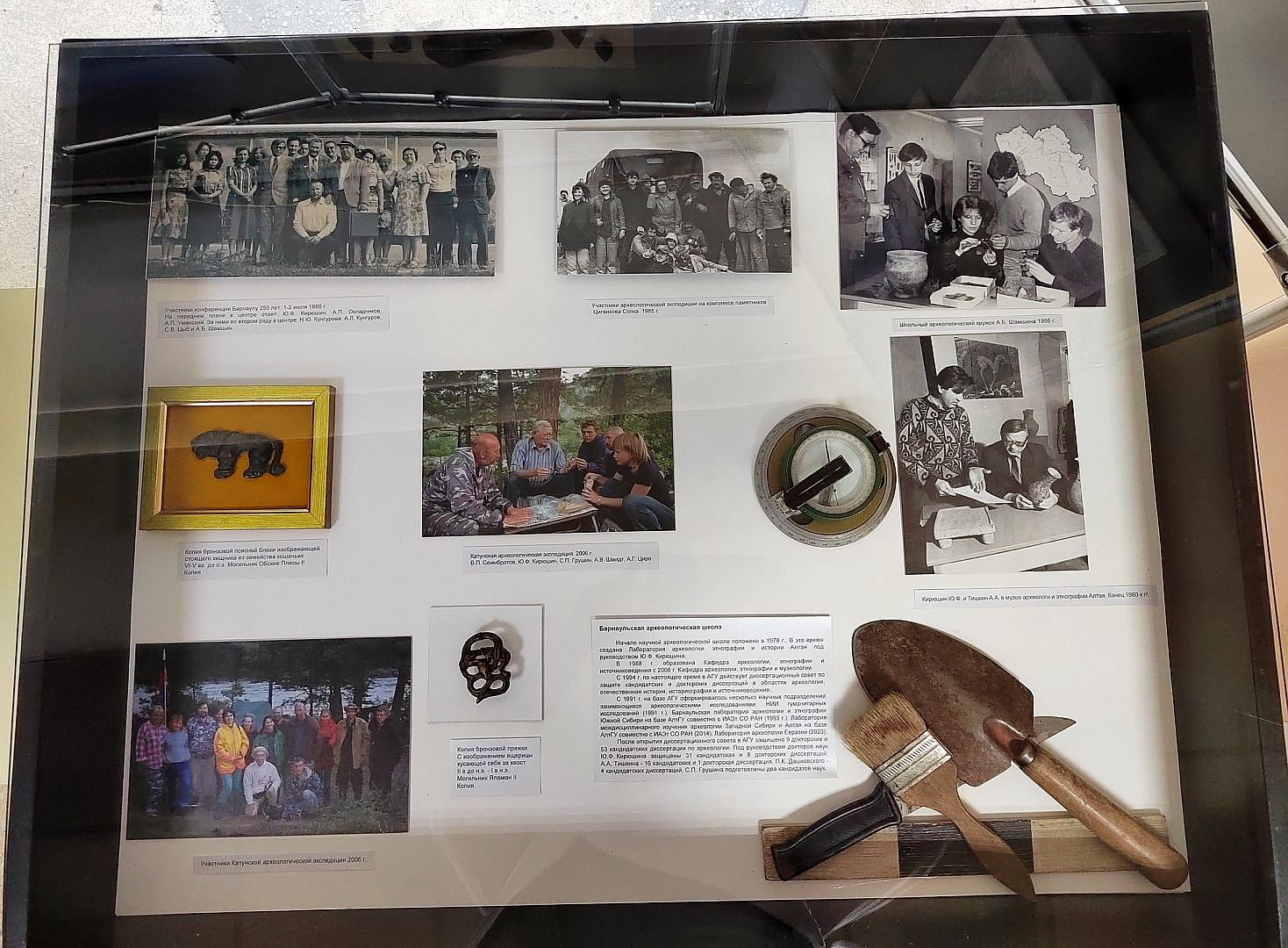
Yaroslav Frolov stressed that Yuri Fedorovich founded the Barnaul archaeological school. His students have continued his scientific work and are now training a new generation of researchers. Among Kiryushin’s pupils are prominent archaeologists and doctors of historical sciences Alexei Tishkin and Vadim Gorbunov. Since the late 1970s, Altai State University has become a leading centre for the study of Altai archaeological sites, largely owing to Kiryushin’s contributions.
From Shovels to Satellite Images
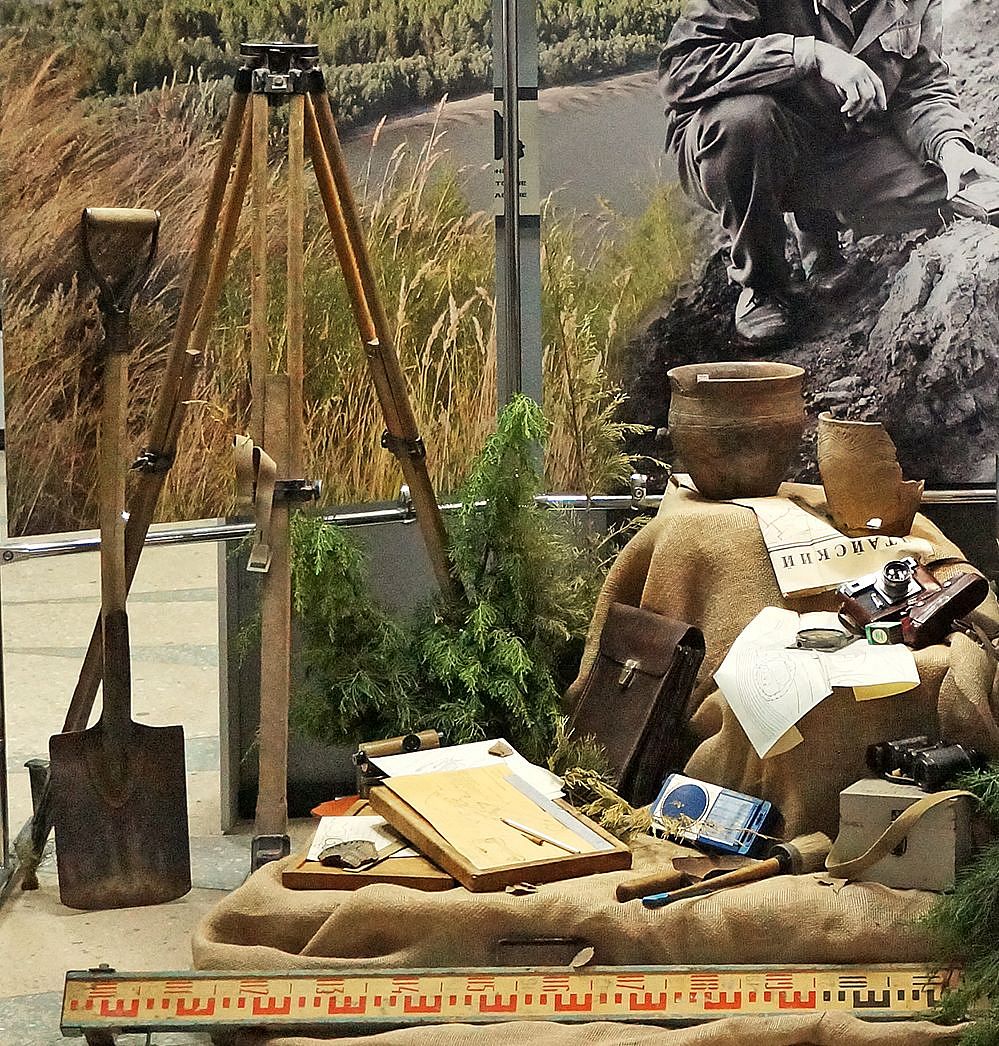
A separate section of the exhibition displays the tools and equipment archaeologists used in the 1970s and 1980s. To clarify field procedures, a staged archaeological trench has been created to demonstrate excavation techniques and the specifics of on-site work. A shovel and small tools—knives, shovels, and brushes—are on display, and remain indispensable tools for archaeologists. Also exhibited is a spirit level, the primary instrument for taking measurements at excavation sites in past decades, is also on display.
Today, researchers rely on more sophisticated and precise technology: total stations, GPS devices, and satellite imagery. 3D modeling and photogrammetry are used to produce detailed digital replicas of finds. Whereas excavation and burial plans were formerly drawn by hand, they are now created on-site using computers, although the traditional method of drawing on graph paper and later digitizing those plans is still practiced.
Under the direction of Yuri Fedorovich Kiryushin, research was carried out on medieval Turkic monuments, with many excavations performed by his students. For instance, the Turkic-period burial grounds Shadrintsevo 1 and Inya 1 were investigated in the early 1980s by Sergei Neverov and Vadim Gorbunov. Yuri Fedorovich himself discovered several Turkic burials within other burial grounds.
"The archaeological excavation installation is more than a section of the exhibition; it lets visitors step into our 'archaeological kitchen' and experience the atmosphere of fieldwork in the 1970s and 1980s. This composition, like other items from the museum's collection that had not been previously displayed, is intended to make the encounter with the past as engaging and memorable as possible," emphasized Yaroslav Frolov.
300 Years of Mining in Altai
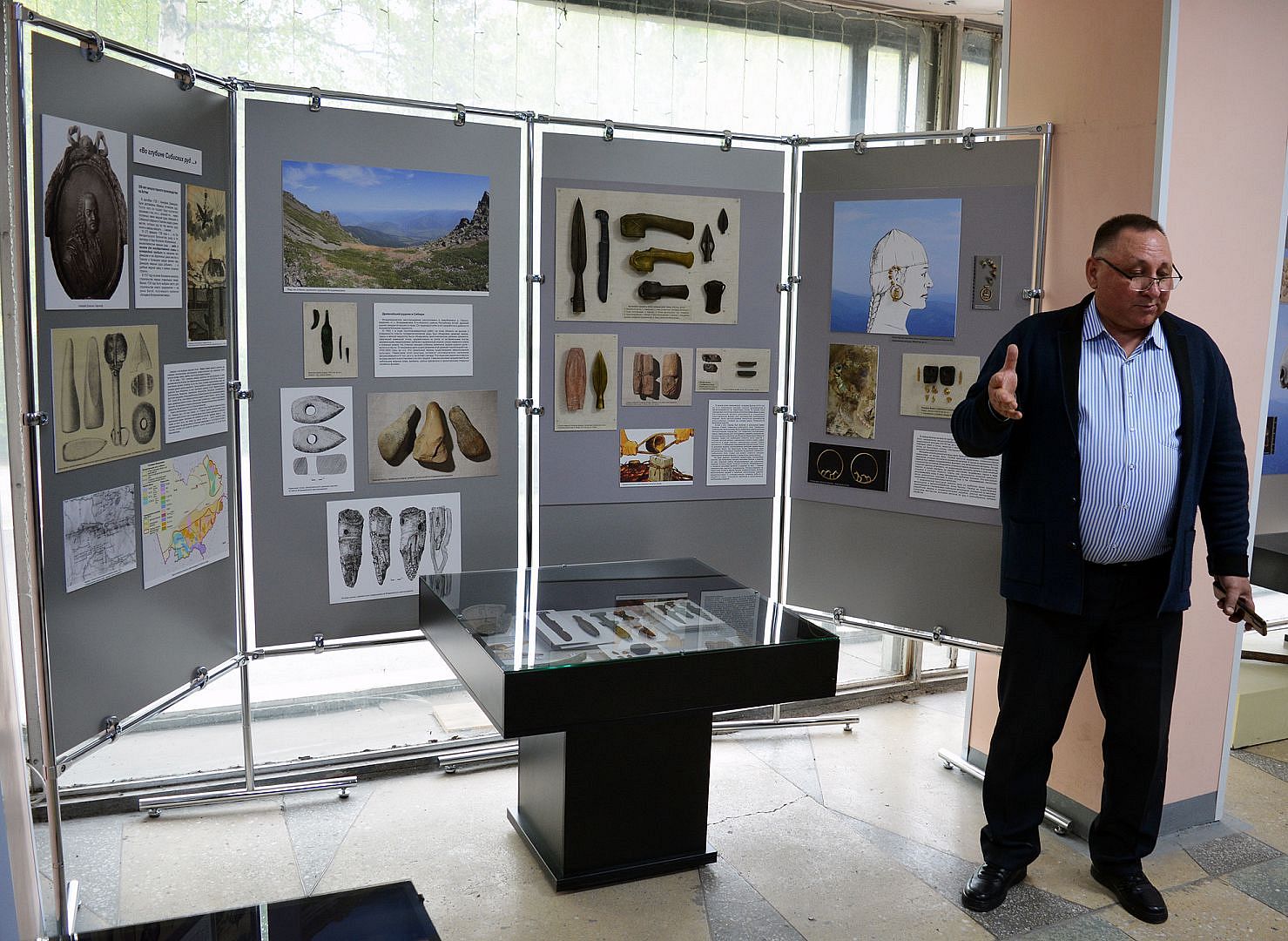
The exhibition titled The First Miners and Metallurgists of Altai: From the Bronze Age to Akinfiy Demidov marks the 300th anniversary of mining in Altai and was first shown during last year’s Night of Museums.
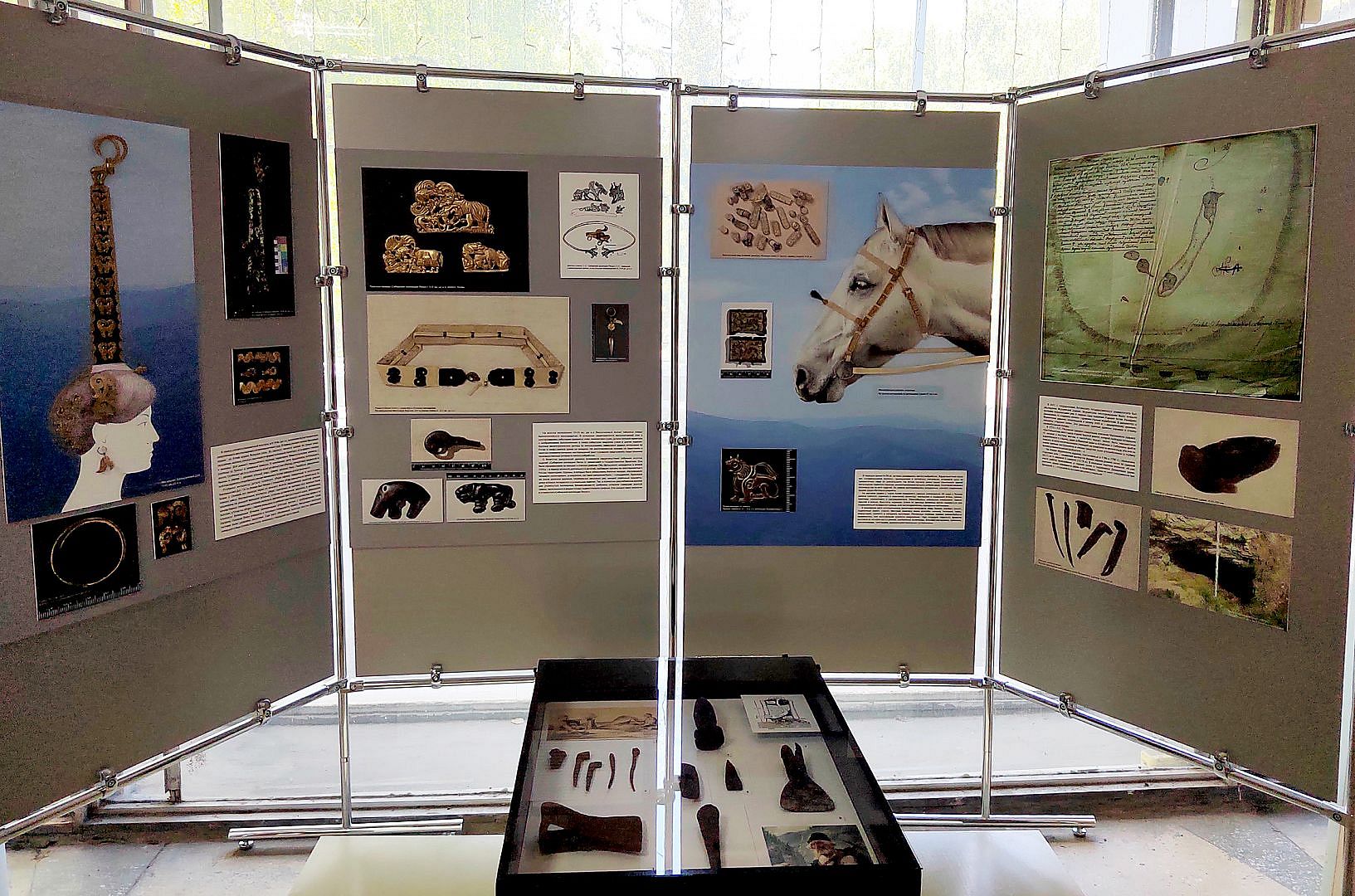
Over the past year the display has been expanded to include sections of a travelling exhibition featuring copies, photographs, reconstructions of costumes and horse bridles, and materials from the 18th and 19th centuries related to the mines pioneered by Akinfiy Demidov. The archaeological material spans multiple periods — from the Bronze Age, when polymetallic ore extraction began in Altai, to the Middle Ages.
The travelling exhibition has been successfully presented at conferences at Altai State University and at the Barnaul Classical School. Teachers have used its materials in lessons on local history. The exhibition is now ready to welcome new visitors.