Today, the agro-industrial complex is becoming increasingly digital and high-tech. What do drones monitor these days? Why do cows receive "individual rations"? How can a neural network distinguish apple varieties without seeing the fruit? Denis Kozlov, Head of the Informatics Department at the Institute of Mathematics and Information Technologies (IMIT) and Candidate of Physical and Mathematical Sciences at Altai State University, spoke to altapress.ru about this.
"Artificial intelligence has left experiments behind and is now used widely in business worldwide," notes Denis Kozlov. "In agribusiness, its potential is enormous. It covers the entire value chain: from production and processing to logistics and sales."
One of the key areas is precision farming. It is based on data from sensors, drones, and satellites. Modern agricultural machinery already provides high planting accuracy thanks to AI algorithms. But there is more.
"Picture this cycle: a lightweight drone flies over a field and collects data. Then, a specialized AI program analyzes these images. It creates a vegetation map and identifies problem spots where plants are diseased or nutrient shortages," the scientist explains. "Next, it sends a task to a heavy sprayer drone, which precisely applies pesticides or fertilizers with meter-level accuracy, exactly where needed. This saves resource significantly and minimizes the environmental impact."
Altai State University works with experts from the Biological and Mathematical Institutes on similar solutions. One of the projects analyzes sunflower field images. The algorithm can detect individual sprouts in photos, which helps monitor crop health and predict harvests.
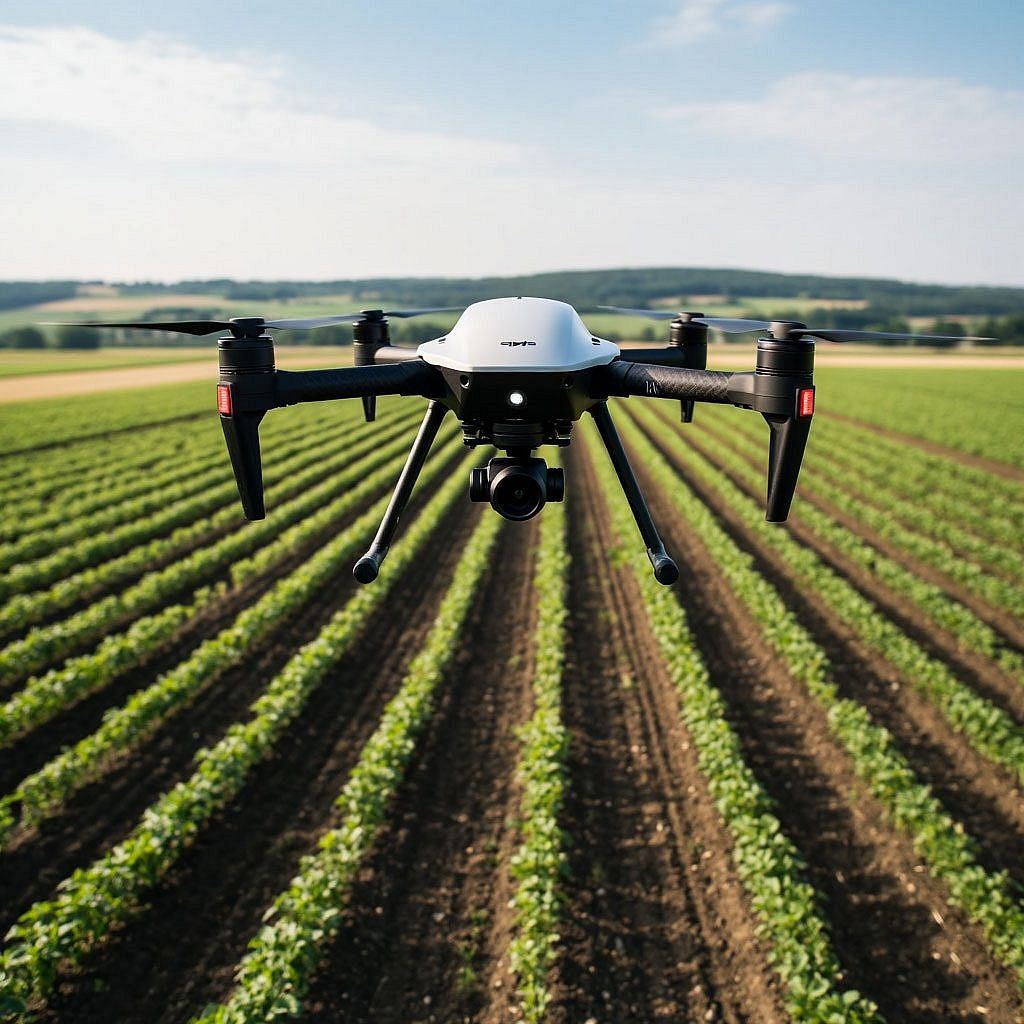
"However, we face a technical challenge," admits Denis Kozlov. "Farmers need to see the entire field as a whole, not just single frames. To achieve this, we must stitch together images from a drone's winding path into one map. We've solved this problem for small fields of up to 10 hectares. For bigger fields, computational challenges arise, but we keep working."
A promising area involves "smart" greenhouses equipped with adaptive climate control. AI processes data from sensors monitoring temperature, humidity, light, and carbon dioxide levels. In real time, it regulates ventilation, irrigation, and supplementary lighting systems to match the specific needs of a specific crop and the time of day, ensuring maximum efficiency.

Robotics is advancing rapidly too. Scientists have developed manipulators for harvesting, while sorting and packaging produce is no longer a novelty. At large agricultural enterprises, AI systems now optimize irrigation and energy consumption, resulting in significant savings.
Another intriguing project from Altai State University focuses on breeding. Instead of costly and time-consuming genomic analysis, researches propose using computer vision.
"We've created a plant part scanner," explains Denis Kozlov. "The idea is this: if an experienced breeder can differentiate varieties by morphological traits, such as leaf shape, and can explain the logic behind their decisions, then artificial intelligence can learn to do the same. Our pilot project successfully identified ten Altai apple varieties by their leaves, rather than their fruit."
Interestingly, many initially assumed identification would rely on the fruit. However, it turned out that apple varieties can be distinguished remarkably well by their foliage.
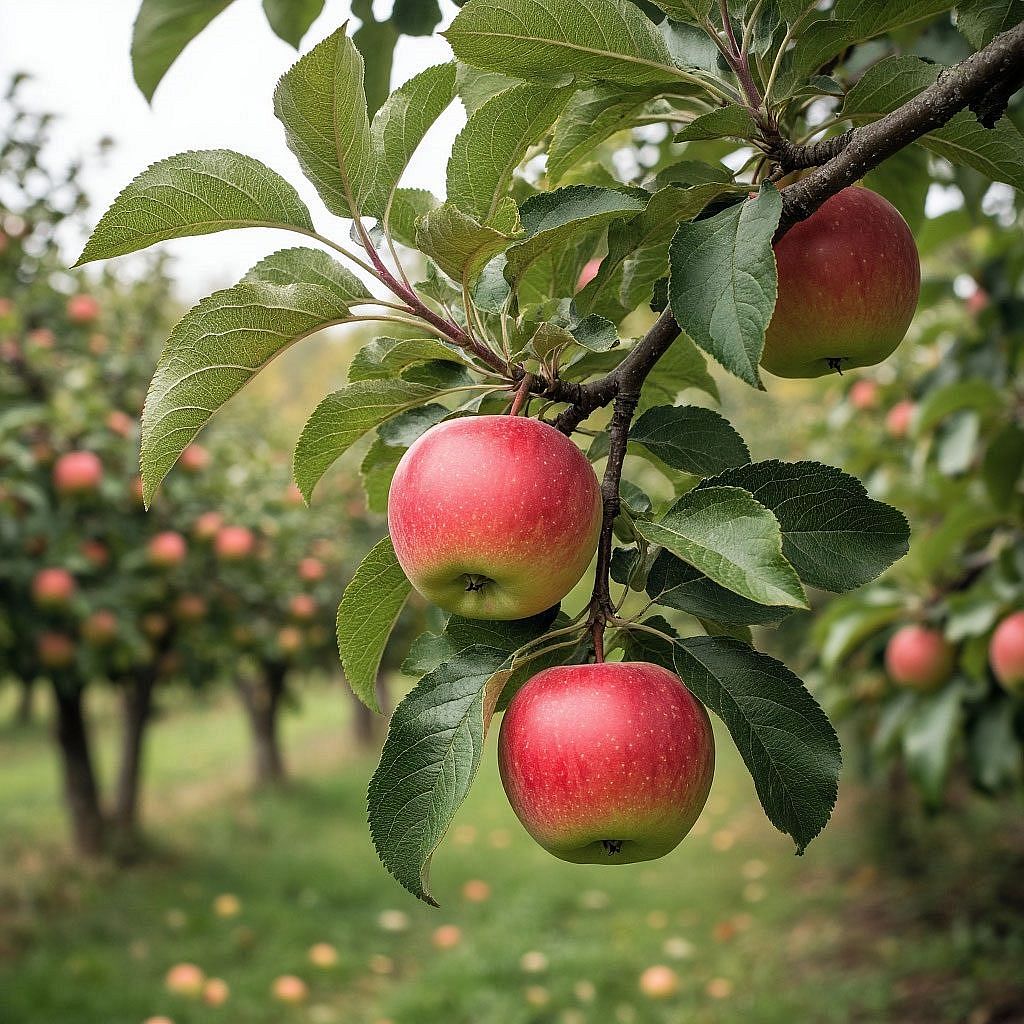
In a blind test, the algorithm compared its findings with expert assessments. It was discovered that AI can indeed accurately identify varieties by leaf shape. This demonstrates how technology unlocks innovative solutions to longstanding challenges, offering quicker and more accessible alternatives to traditional methods like genomics.
In livestock farming, AI is revolutionizing approaches to livestock management. Microchipping and video analytics enable individual animal identification, tracking movements, behavior, and physiological state. For instance, they can detect signs of heat or illness.
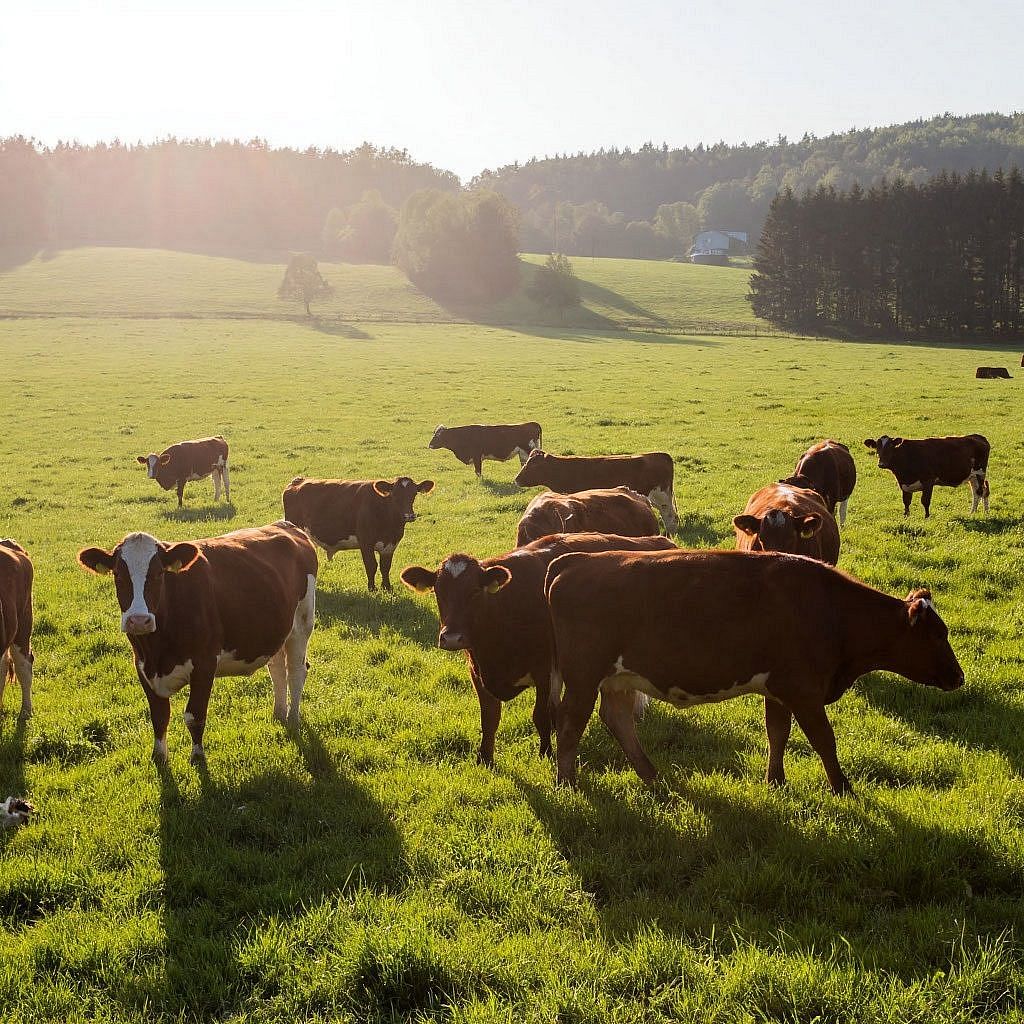
"Using this data, we can deliver tailored feeding, optimize veterinary care, and refine housing conditions. Ultimately, this boosts productivity, cuts feed waste, and frees up staff time," says the scientist.
The university is developing video analytics for lab monitoring. For example, these systems can automatically record insect activity and behavior in experimental dishes, while simultaneously capturing temperature and humidity data. They hold potential for adapting to monitoring fish in cages or poultry on farms.
At the processing stage, computer vision algorithms expertly inspect and sort raw materials by size, quality, and maturity. AI is also used for predictive equipment maintenance — the system analyzes sensor data, forecasts the conveyor breakdowns, enabling fixes before production halts.
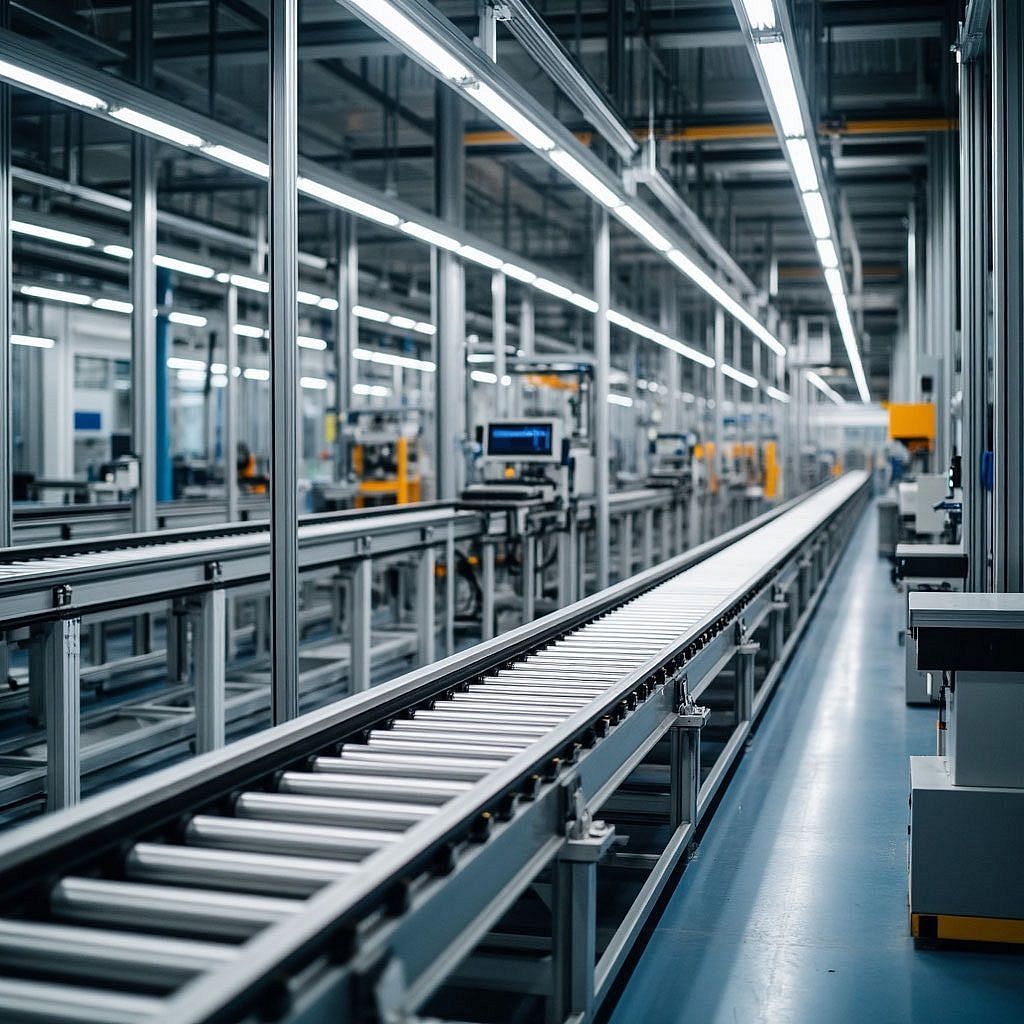
In logistics and storage, smart sensors help monitor warehouse conditions, track temperature and humidity in real time, and even estimate the potential product losses.
"By analyzing data and current market trends, AI systems can recommend optimal sales strategies: optimal timing, pricing, and channels for the harvest. This fosters personalized customer relationships," adds Denis Kozlov.
The apple leaf identification story is just a drop in the ocean of the gradual but unstoppable AI-driven changes. It is quietly integrating into work processes, tackling specific issues. More precisely, it saves unnecessary liters of fuel and fertilizer, prevents the spoilage of tons of crops in warehouses, and redirects hours of human labor to analytical work.
The proposed technologies have evolved beyond lab prototypes into commercial products and practical tools.
As the expert emphasizes, their implementation is no longer a matter of technological prestige; it is essential for competing on resources, quality, and markets.
For agribusiness, the time is coming when data is emerging as vital as land or water, with AI as a key skill for managing this asset. Scientists predict that early adopters will secure a clear edge .